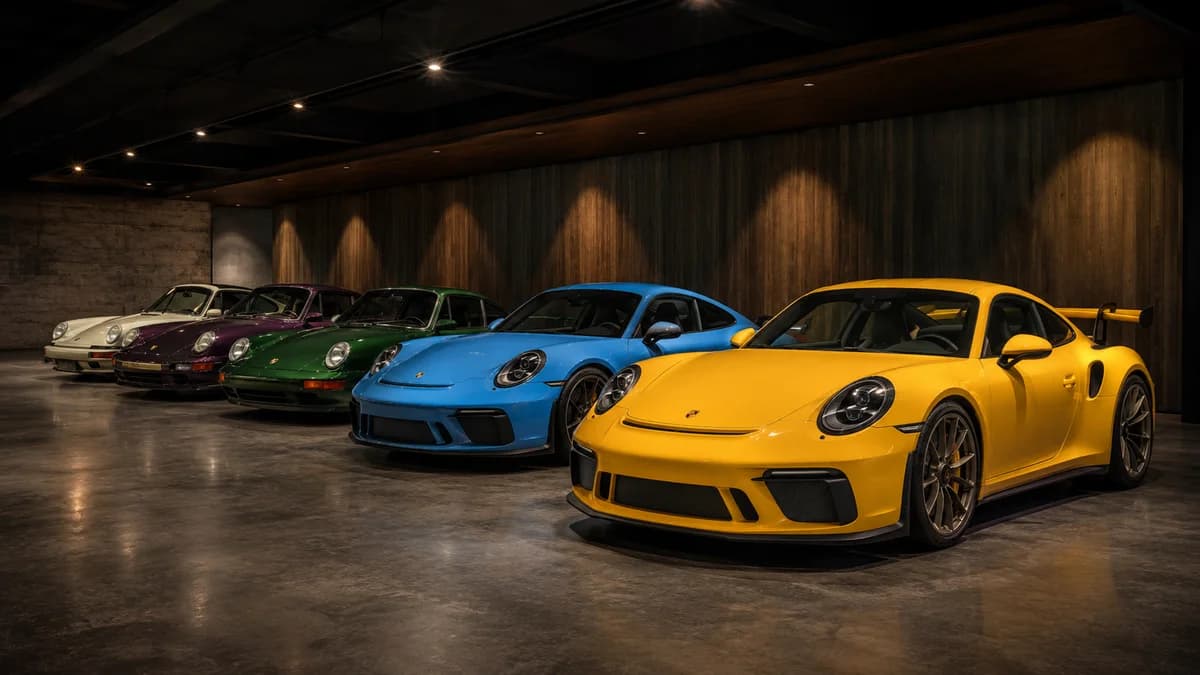
Why the 911?
The Porsche 911 has been in continuous production since 1964. Across eight generations, it has evolved from a 130 bhp air-cooled curiosity into a 510 bhp twin-turbo precision instrument, yet the fundamental layout has never changed. Flat-six engine, rear-mounted, driving the rear wheels (or all four). That consistency means buying a 911 is not just purchasing a car; it's entering a lineage. And with values ranging from £25,000 for a decent 996 to £400,000 for a 992 GT3 RS, there is a 911 for almost every budget.
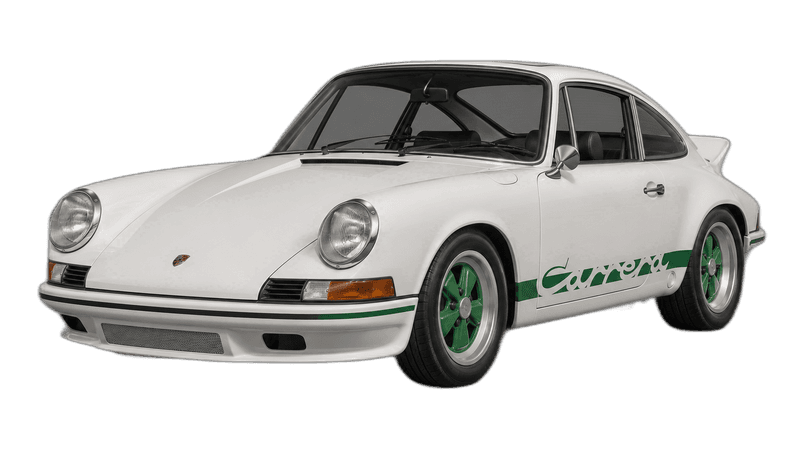
This guide covers every generation currently viable for purchase, from the 964 onwards. Earlier cars, the long-hood 911S, the Carrera RS 2.7, the 930 Turbo, are collector pieces with prices well into six figures. We're focused on the cars you can actually buy, drive, and enjoy without needing a museum's insurance policy.
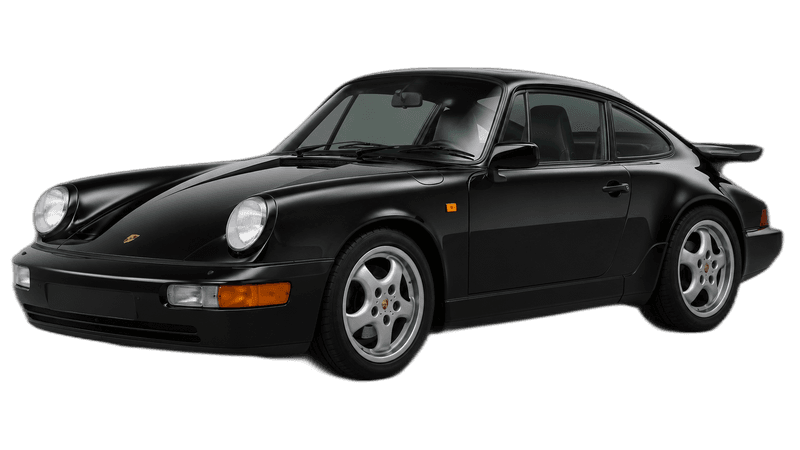
964 (1989-1994): The Last True Classic
The 964 was the first 911 with power steering, ABS, and a coil-spring rear suspension (replacing the earlier torsion bars), but it retains the raw, mechanical feel of the air-cooled era. The 3.6-litre flat-six produces 247 bhp in Carrera 2 specification, enough for a 162 mph top speed and a 0-60 time of 5.5 seconds. The RS variant, stripped, lightened, and stiffened, is one of the most celebrated driver's cars ever built.
What to pay: £70,000-£100,000 for a good Carrera 2 coupé. RS models command £200,000+. Targa and Cabriolet versions trade at a 15-20% discount to the coupé.
What to watch for: Oil leaks from the chain tensioner and cam cover seals are endemic. Dual-mass flywheel failure is expensive (£3,000+). Inspect the brake servo vacuum lines, failure causes a hard pedal with no warning. The biggest risk is corrosion in the front strut towers and kidney areas; a pre-purchase inspection with a 911 specialist is non-negotiable.
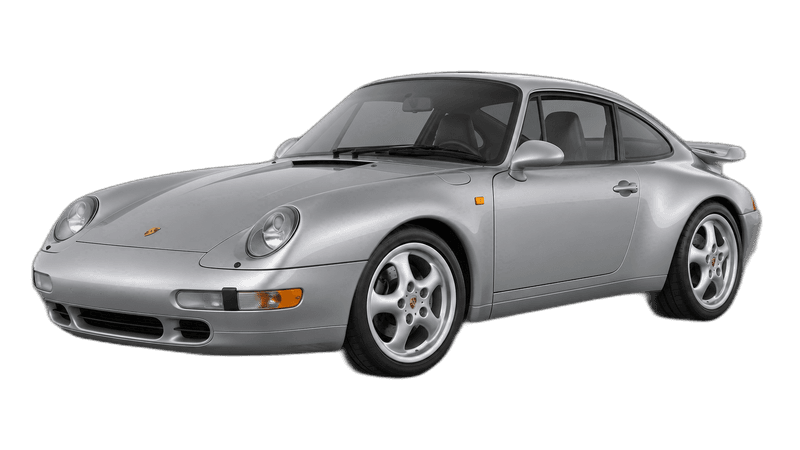
993 (1994-1998): Peak Air-Cooled
The 993 is the final air-cooled 911, and the market has priced it accordingly. The 3.6-litre Varioram engine produces 285 bhp, the multi-link rear suspension eliminated the tail-happy handling of earlier 911s, and the interior, while still austere by modern standards, feels more refined than the 964. The 993 Turbo, with its twin-turbocharged 408 bhp flat-six and all-wheel drive, is one of the fastest point-to-point cars of the 1990s.
What to pay: £85,000-£130,000 for a Carrera coupé. Turbo models start at £160,000 and climb rapidly for low-mileage examples. The GT2, rear-drive, twin-turbo, 430 bhp, is a £500,000+ car.
What to watch for: The Varioram intake system's vacuum actuators fail, causing a noticeable loss of mid-range torque. Rear main seal leaks are common and require engine-out repair (£2,500+). The 993's aluminium suspension components corrode in British climates. Tiptronic gearboxes are reliable but depress values by 20-30% versus manual cars.
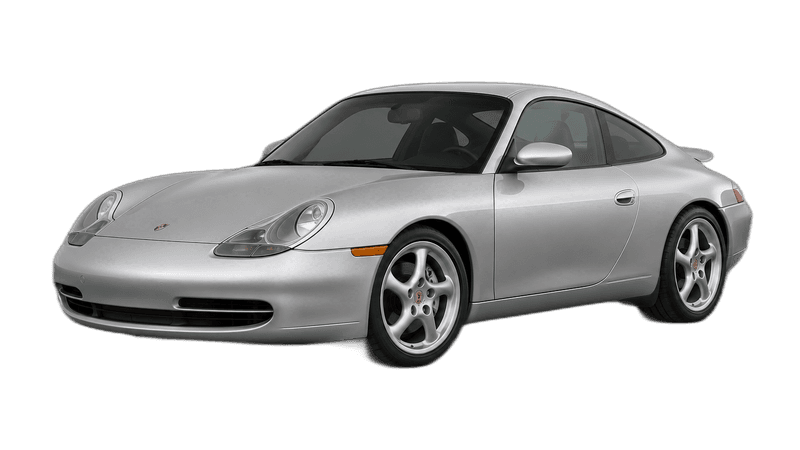
996 (1998-2004): The Bargain Entry
The 996 is the single best value proposition in the 911 range. The first water-cooled 911, it was reviled by purists on launch for its "fried egg" headlamps and perceived loss of character. Twenty years on, the driving experience has aged beautifully, the 3.4-litre (later 3.6-litre) flat-six is smooth, responsive, and sounds magnificent at 7,200 rpm. The Carrera 4S, with its wide body and all-wheel drive, is the pick of the range for year-round use.
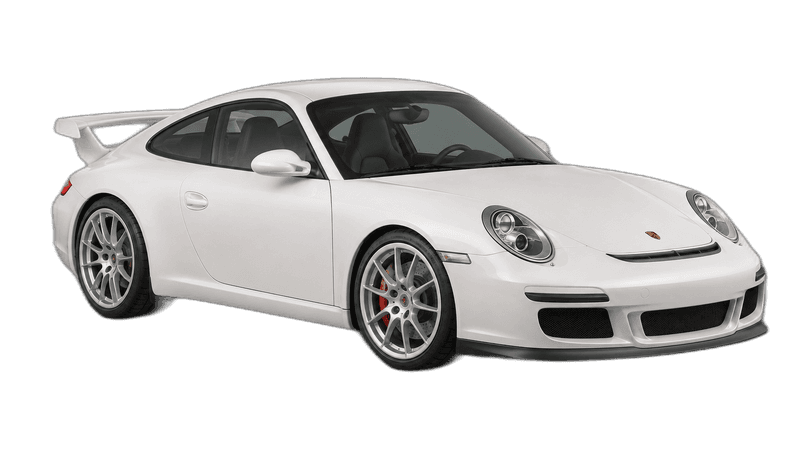
What to pay: £20,000-£35,000 for a well-maintained Carrera. The GT3 (360 bhp, manual only, motorsport-derived suspension) starts at £90,000 and is rapidly appreciating.
What to watch for: The IMS (intermediate shaft) bearing failure is the 996's Achilles' heel. Early 3.4-litre engines (M96.01/02) are the most susceptible; a preventative IMS retrofit costs £1,500 and should be considered mandatory. Bore scoring, caused by the Lokasil cylinder lining degrading, is catastrophic and requires a full engine rebuild (£8,000-£15,000). Always request an engine bore-scope inspection before purchase.
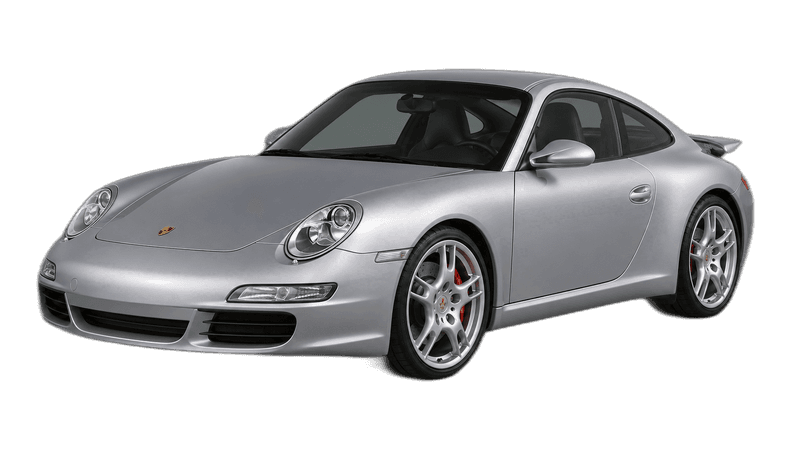
997 (2004-2012): The Sweet Spot
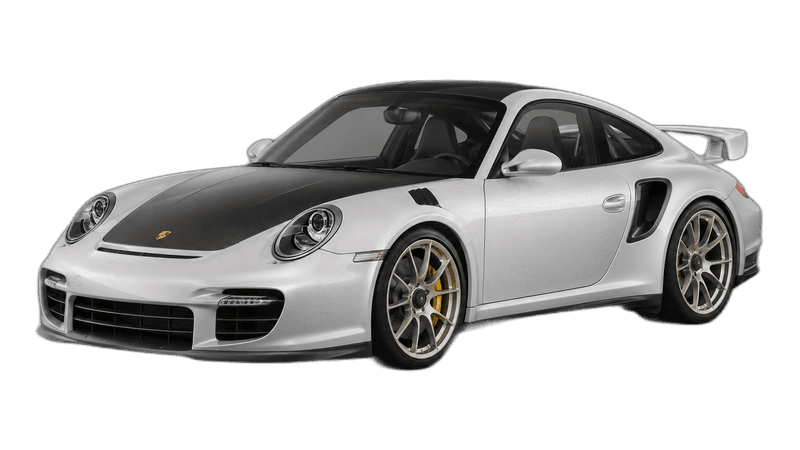
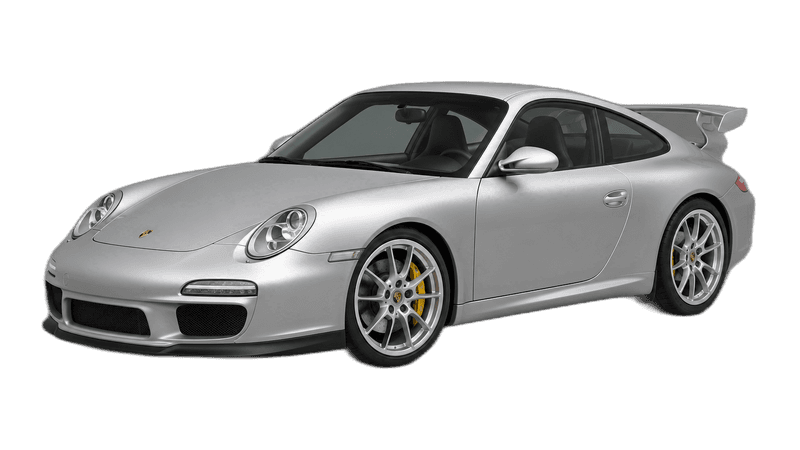
The 997 corrected every criticism levelled at the 996. Round headlamps returned. Interior quality improved dramatically. The 3.6-litre engine (later 3.8-litre in the 997.2) gained direct fuel injection and felt more urgent. And the 997.2 GT3: 3.8 litres, 429 bhp, rev limit of 8,400 rpm, is widely regarded as the single finest naturally aspirated 911 of the modern era.
What to pay: £35,000-£55,000 for a Carrera. The 997.2 GT3 commands £130,000-£180,000 depending on specification and mileage. The GT3 RS 4.0, limited to 600 units, is a £400,000+ car.
What to watch for: Early 997.1 cars share the 996's IMS bearing concern, though failure rates are lower. The 997.2 (2009 onwards) uses a non-serviceable IMS bearing with a near-zero failure rate, buy a.2 if the IMS issue concerns you. PDK gearboxes are bulletproof but check for shudder on low-speed manoeuvres, which indicates mechatronic unit wear.
If forced to choose a single 911 generation as the definitive modern iteration, the 997.2 wins. It has the analogue steering feel of the air-cooled era, the reliability of modern engineering, and enough performance to embarrass cars costing three times as much.
991 (2012-2019): The GT Car
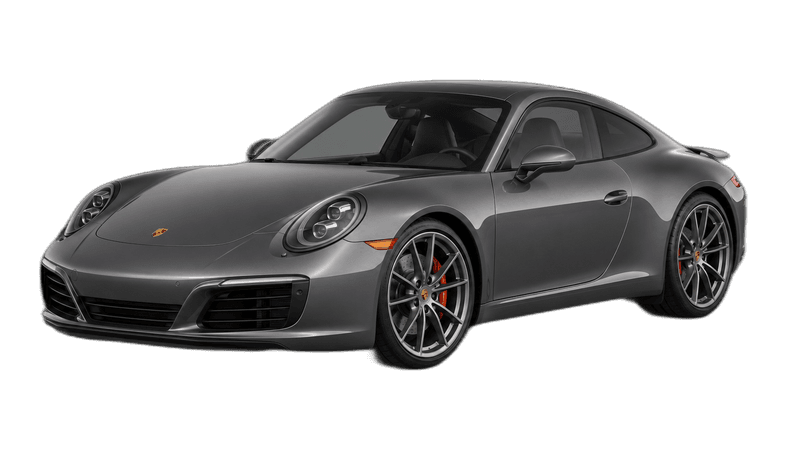
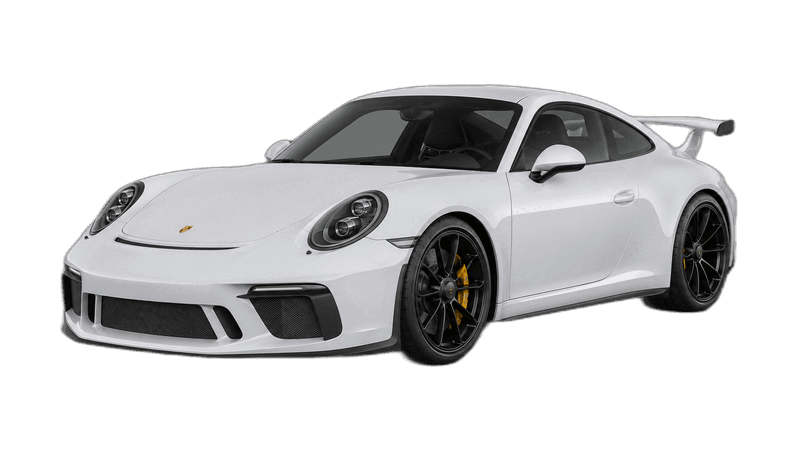
The 991 grew the 911 in every dimension and added electric power steering for the first time. Base Carrera models moved to turbocharged 3.0-litre flat-sixes from the 991.2 onwards, producing 370 bhp (Carrera) or 420 bhp (Carrera S). The purist's choice is the GT3: 4.0 litres, naturally aspirated, 500 bhp, and a PDK or six-speed manual gearbox, which laps the Nürburgring Nordschleife in 7:12.7.
What to pay: £55,000-£80,000 for a Carrera. GT3 models range from £120,000 (early PDK-only 991.1) to £250,000 (991.2 manual Touring). The GT2 RS, with 690 bhp, trades above £300,000.
What to watch for: The turbocharged Carrera engines are reliable but check for wastegate rattle on cold start, a known issue that Porsche addressed under warranty. The 991 GT3's engine had a rare but serious connecting rod bearing failure in early production; Porsche issued a recall and replacement programme. Electric power steering is accurate but lacks the tactile feedback of the 997's hydraulic system, drive both back-to-back before deciding.
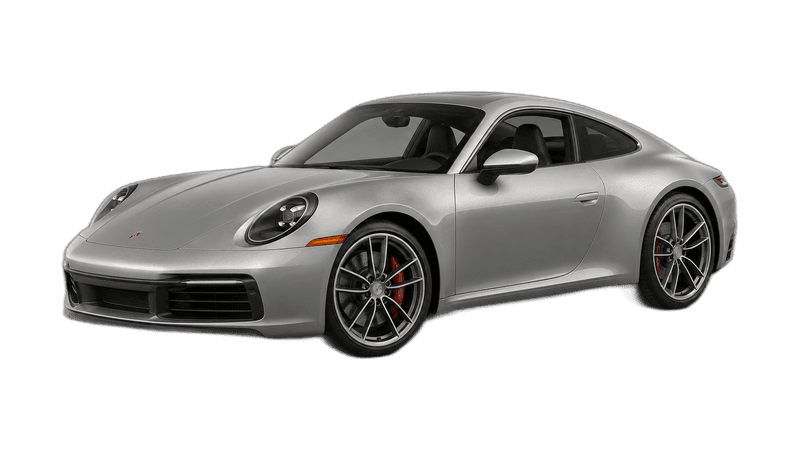
992 (2019-present): The Modern Masterpiece
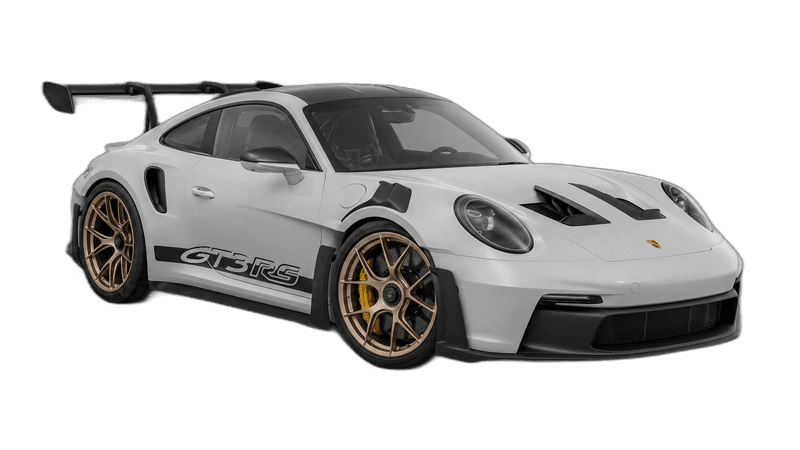
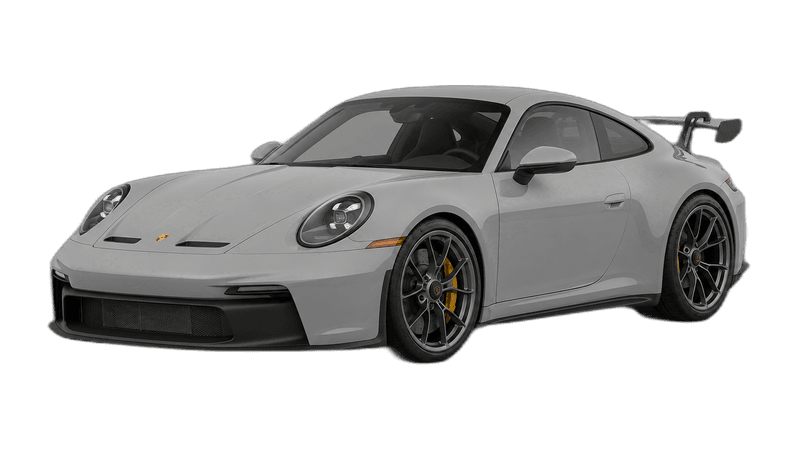
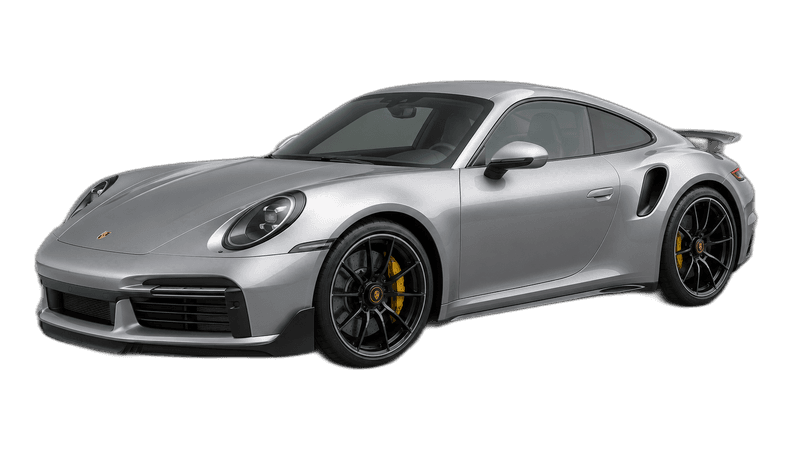
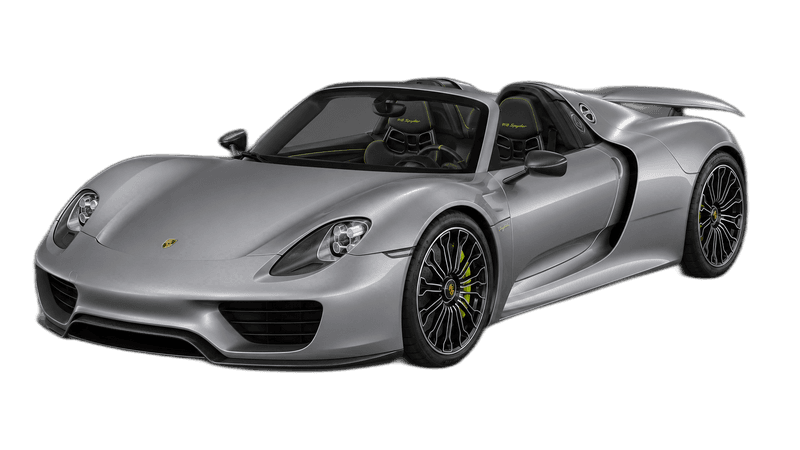
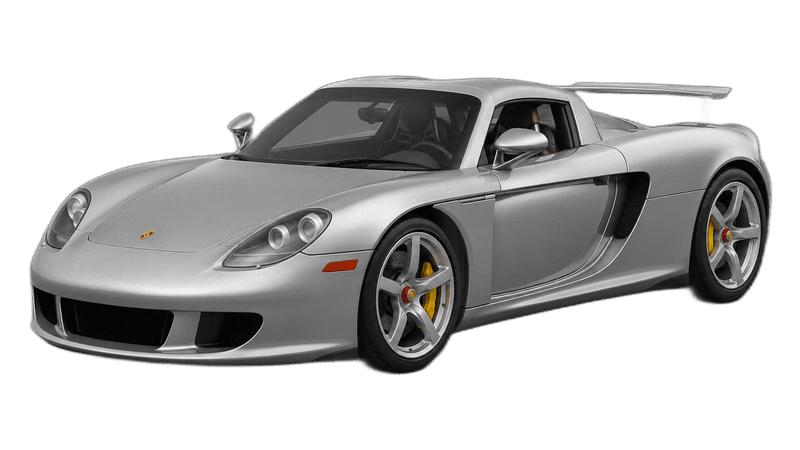
The current 992 is the most capable 911 ever built. The base Carrera produces 379 bhp from its 3.0-litre twin-turbo flat-six. The Turbo S makes 640 bhp and hits 100 km/h in 2.7 seconds. The GT3, with its 4.0-litre naturally aspirated engine, 502 bhp, and double-wishbone front suspension, has lapped the Nordschleife in 6:55.2, faster than the Carrera GT and the 918 Spyder.
What to pay: £90,000-£115,000 for a Carrera. GT3 allocation is by invitation, with list prices around £155,000 and market values exceeding £200,000. The GT3 RS, with 518 bhp and Formula 1-derived DRS rear wing, starts at £195,000 on paper and trades for closer to £280,000.
What to watch for: The 992 is too new for systemic issues to have emerged. Some owners report excessive tyre wear on the rear axle of Carrera S models with PASM sport suspension, alignment settings may need adjustment. The PDK gearbox is flawless. The optional rear-axle steering transforms the car's agility and is worth every penny of its £2,000 cost.
The 911 buyer's paradox: every generation feels definitive when new, yet the previous generation always tastes sweeter in retrospect. The solution is simple, buy two.
The Verdict
For value, buy a 996 Carrera and budget for an IMS retrofit. For the sweet spot of analogue feel and modern reliability, buy a 997.2 Carrera S or GT3. For the ultimate driver's 911, the 992 GT3 with a manual gearbox is as good as the breed has ever been. And for the collector who wants a piece of history that will only appreciate, the 993 Carrera S in Arena Red Metallic with a six-speed manual is the answer, but act quickly, because the market already knows.