Porsche 911 Sport Classic (992)
£400,000
usedIndicative market price, updated periodically.
543bhp
Power
4.1s
0-100 km/h
315km/h
Top Speed
£400,000
Price Used
The Porsche 911 Sport Classic (992) produces 543 bhp, reaches 100 km/h in 4.1 seconds and has a top speed of 315 km/h. A representative example is worth about £400,000.
How hard it pulls.
Peak g-force the instant you bury the throttle, estimated from the car's 0–100 time and drivetrain.
Porsche 911 Sport Classic (992)Estimated peak launch g from the 0–100 time and drivetrain: an honest approximation, not a measured figure.
Dream Car Garage Editorial · Edited by José Teo Lorente Vallecillos · Last updated 28 October 2026
Overview
We have not driven this car. This review is based on published specifications and the sources listed below.
Heritage design with modern performance
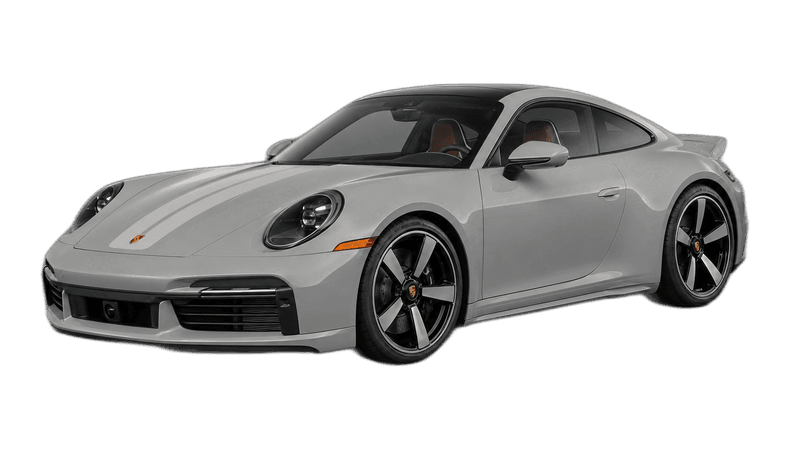
The Porsche 911 Sport Classic was revealed in 2022 as a rear-wheel-drive coupe with a 3.745-litre twin-turbo flat-six producing 405 kW, or 550 PS and approximately 543 bhp, and 600 Nm. A seven-speed manual gearbox with automatic blipping is the only transmission. Porsche quoted 4.1 seconds to 100 km/h and a 315 km/h top speed. The wide Turbo-derived body, fixed ducktail and double-bubble roof distinguish it from a Carrera.
We have not driven this model for this article. This guide uses Porsche's launch release, the PistonHeads 992 buying guide and the official VIN recall service. Porsche states a limited run of 1,250 units, so the catalogue records that figure. The buying guide covers the wider 992 range and does not establish a Sport Classic-specific fault pattern.
Manual gearbox and engine checks
The manual transmission is central to the Sport Classic's identity. Ask a Porsche specialist to assess clutch take-up, pedal feel, cold engagement and synchromesh behaviour. Confirm that the automatic blipping function operates as intended and that no warning remains. A test drive should include smooth low-speed work and a range of gear changes in suitable conditions. Compare a cold start with a hot restart and note any difficulty selecting first or reverse.
Observe the engine cold where practical and compare running condition after warming. Request diagnostic records before anything is cleared. The PistonHeads guide reports reduced-power warnings on some 992s linked to leaking active drivetrain mounts; treat that as a diagnostic question, not a Sport Classic defect claim. Ask what was found on this car and whether the symptom returned.
Bodywork, ducktail and paint
Inspect the ducktail, double-bubble roof, wide body panels and all Heritage Design trim for damage and correct fit. Ask whether any panel was repaired or replaced and who carried out the work. A limited-production car with special paint and trim can be expensive to restore, so document the scope rather than judging from a glossy photograph.
Check panel gaps, seals, glass and the roof surface. Water marks or poor trim alignment deserve investigation. Ask for paint-depth readings across the main panels and compare them with any disclosed repair. Confirm that the fixed rear spoiler and its mountings are intact. Cosmetic stone chips are normal for a used car; structural repair or poor paint matching is a different finding. The inspector should identify which is present.
Wheels, tyres and brakes
Confirm the centre-lock wheel specification, tyre sizes, dates and condition. Compare tread depth across each tyre and look for inner-edge wear. Ask for a geometry report after any suspension or wheel work. The Sport Classic's wide body and rear-drive layout make correct tyre matching important, but they do not justify assumptions from another 911 variant.
Measure the brake discs and pads and review fluid history. Porsche based the car on the wider Turbo body, so confirm the actual braking equipment from the build record rather than assuming a specification. If the car has been driven on circuit or at high speed, ask for subsequent inspections and consumable replacement. Obtain current written estimates rather than relying on 2024 prices.
Cabin, seats and equipment
Try the seats, driving position and entry in person. The Sport Classic's Heritage Design interior includes distinctive materials and trim; check their condition and confirm that the delivered specification matches the build record. Test the PCM screen, camera, climate controls, windows, washers and audio. The buying guide's cabin complaints are demonstration prompts, not evidence that this model shares every issue.
Listen for rattles from trim, seatbacks, door bins and seatbelts on a road test. Check the centre rear brake light and all exterior lighting. Confirm that any special trim, floor mats, car cover or book pack supplied with the car is present and identifiable. Check the toolkit, tyre compressor and sealant expiry where fitted. Collectability does not replace a condition report.
Service history, storage and provenance
Request dated invoices for the two-year or 20,000-mile schedule, brake fluid, tyres and diagnostics. Confirm how the car has been stored and whether a battery maintainer was used. Low mileage can coexist with aged tyres, stale fluids and a weak battery. Obtain a battery and charging-system test.
Verify remaining warranty and its exclusions directly with the provider. Confirm ownership history, campaign letters and any paint or body repair records. Ask for the original order specification, correspondence and book pack so the Heritage Design equipment can be checked against the car. Ask whether the car has been used for touring, stored for long periods or shown at events. Obtain current quotations for identified work. A limited build may support careful provenance checks, but it does not guarantee future value or eliminate maintenance costs.
Recall status and inspection scope
Use the 17-character VIN in Porsche's recall lookup, which covers campaigns published on or after 1989, and retain dealer confirmation of completed work. A campaign affecting another 992 does not determine this car's status. Ask for campaign letters and repair invoices where applicable.
An independent inspection should cover the manual gearbox, engine diagnostics, bodywork, paint, wheels, tyres, brakes, battery and underbody. Record anything that could not be demonstrated. Resolve significant gaps before relying on the report.
We have not driven this model for this article. No present transaction price, investment promise or universal reliability claim is offered. The Sport Classic's documented 1,250-unit build is relevant context, but the individual car's provenance and condition remain the deciding evidence.
Specifications
| Engine | 3.7L (3745 cc) twin-turbo flat-six |
|---|---|
| Displacement | 3.7L |
| Power | 543 bhp |
| Torque | 600 Nm |
| 0-100 km/h | 4.1s |
| Top Speed | 315 km/h |
| Drivetrain | RWD |
| Country | Germany |
| Body Style | 2-door coupe |
| Years | 2022 |
| Production | 1,250 |
| Price Used | £400,000 |
Specifications are manufacturer-published figures.
Frequently Asked Questions
What is a Porsche 911 Sport Classic (992) worth?
A representative example is worth about £400,000. Actual values vary with specification, condition and history.
How much power does the Porsche 911 Sport Classic (992) have?
The Porsche 911 Sport Classic (992) produces 543 bhp and 600 Nm of torque.
How fast is the Porsche 911 Sport Classic (992) from 0 to 100 km/h?
The Porsche 911 Sport Classic (992) accelerates from 0 to 100 km/h in 4.1 seconds.
What is the top speed of the Porsche 911 Sport Classic (992)?
The Porsche 911 Sport Classic (992) has a top speed of 315 km/h.
What engine does the Porsche 911 Sport Classic (992) have?
The Porsche 911 Sport Classic (992) uses a 3.7L (3745 cc) twin-turbo flat-six.
How many Porsche 911 Sport Classic (992) were made?
Porsche produced 1,250 units of the Porsche 911 Sport Classic (992).
When was the Porsche 911 Sport Classic (992) built?
The Porsche 911 Sport Classic (992) was built from 2022 to 2022.
Is the Porsche 911 Sport Classic (992) all-wheel drive?
No. The Porsche 911 Sport Classic (992) is configured with rear-wheel drive.