
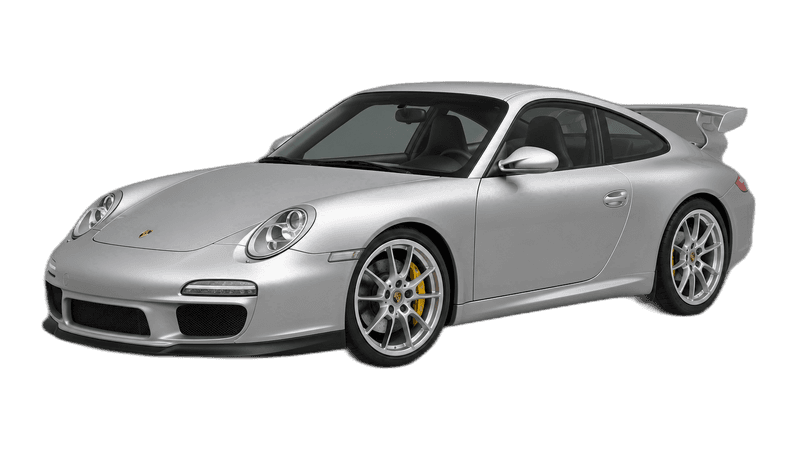
Porsche 911 GT3 (991)
£115,000
usatoIndicative market price, updated periodically.
469cv
Potenza
3.5s
0-100 km/h
315km/h
Velocita Massima
£115,000
Prezzo Usato
Quanto spinge.
La forza g di picco nell'istante in cui affondi l'acceleratore, stimata dal tempo 0–100 e dalla trazione.
Porsche 911 GT3 (991)G di partenza stimata dal tempo 0–100 e dalla trazione: un'approssimazione onesta, non un dato misurato.
The Porsche 911 GT3 (991) is a 2-door coupe by Porsche, producing 469 bhp, and 440 Nm of torque, with a 0-100 km/h time of 3.5 seconds, and a top speed of 315 km/h, Valued at approximately £115,000.
Dream Car Garage Editorial · Last updated 26 October 2026
Panoramica
We have not driven this car. This review is based on published specifications, owner reports and market listings.
The 991 changes the formula
The 991.1 GT3, launched in 2013, was a significant change from the 997. The engine became a 3.8-litre naturally aspirated flat-six rated at 475 PS, and for the first time a GT3 was offered only with a seven-speed PDK dual-clutch transmission. Porsche also fitted active rear-axle steering and dynamic engine mounts as part of the new chassis package. The car was wider, lower and more aerodynamically developed than its predecessor.
This is a desk-researched ownership guide. We have not driven this model for this article. The 991.1 GT3 is a highly capable road and track car, but its technology and early production history make a documented inspection more important than a short test drive. The engine, gearbox, steering system and electronic chassis systems all need to be checked by someone who understands them.
The 3.8-litre engine is not the Mezger unit used in the 997 GT3. It is a different naturally aspirated design, and it should be assessed on its own terms. Do not apply 997 engine advice directly. The later 991.2 GT3 returned to a 4.0-litre engine and offered a manual gearbox, so the two phases of the 991 are materially different ownership propositions.
Engine and known campaign
The 3.8-litre engine produces 475 PS and revs to 9000 rpm. It is paired exclusively with PDK. Ask for a cold start and a warm-up, and listen for abnormal mechanical noise. Check for oil and coolant leaks, exhaust smoke and evidence of overheating. A compression or leak-down test can add information, but it should be interpreted by a specialist.
Early 991.1 GT3 production was subject to a conrod-bolt campaign. PistonHeads' 991 GT3 buying guide reports that 785 cars were recalled and fitted with new engines, with an additional warranty period. The same guide describes a separate valvetrain issue involving finger-follower rocker arms, a redesign and a transferable worldwide engine warranty of ten years or 120,000 miles. Verify the campaign status and warranty applicability for the specific car and market rather than relying on a seller's summary.
A completed campaign is not a guarantee against future problems. A car with an outstanding campaign is still worth inspecting, but the work should be completed before the car is used in earnest. The important question is whether the required work was performed and documented. Ask for the campaign reference, the engine number, the invoice and any subsequent service records. If the engine has been replaced outside the campaign, establish the source and specification of the replacement.
PDK and drivetrain
The seven-speed PDK is the only transmission. Check cold and warm operation, reverse, low-speed manoeuvring and full-throttle shifts. Listen for unusual noises and look for warning messages. Ask when the transmission fluid and filters were last serviced and whether the work was performed by a suitably equipped workshop. A PDK is not a conventional automatic, and its service requirements should be matched to the installed unit.
The car uses an electronically controlled limited-slip differential and Porsche Torque Vectoring. The systems should be checked for warning messages and correct operation during a road test. A track-focused alignment and tyre choice can change the way the differential and stability systems behave. Ask whether the car has been modified and whether the changes have been declared.
Inspect the driveshafts, hubs and wheel bearings. The centre-lock wheels require the correct torque procedure and the right tools. Check the wheels for cracks and repairs, and inspect the tyres for matching specification and manufacturing dates. A car that has been used on track may have high-temperature brake fluid, modified cooling and non-standard pads.
Rear steering, mounts and chassis
The 991.1 GT3 was the first 911 with active rear-axle steering. The system can turn the rear wheels in the opposite direction at low speed and in the same direction at high speed. Check for warning messages and unusual noises, and ask whether the system has been repaired or replaced. A specialist should inspect the rear steering hardware, wiring and calibration.
The 991.1 GT3 uses dynamic engine mounts. They can stiffen or soften depending on driving conditions. Check for leaks, noise and warning messages, and include the mount control system in the diagnostic scan. A failed mount can cause movement and handling changes, so do not treat it as a cosmetic fault.
Inspect the dampers, springs, top mounts, bushes and ball joints. The car is lower and wider than the 997, so clearance and alignment matter. The optional front-axle lift system, where fitted, should be operated through its full range. Listen for pump noise and inspect for leaks or damaged lines. A car that has been lowered further may have limited clearance even with the lift raised.
Ask for an alignment report and establish whether the settings are intended for road or track use. An aggressive camber setting can improve track response while increasing tyre wear on the road. Check the steering rack and tie rods for play or leaks. The 991 uses electromechanical steering, which gives a different feel from the hydraulic system in the 997, but that does not make every example equally healthy.
Brakes, wheels and tyres
Iron brakes were standard, with PCCB carbon-ceramic brakes available as an option. The front PCCB discs are larger than the iron units, and the rear system also differs. Identify what is fitted before discussing maintenance. Carbon-ceramic discs need a careful wear and damage assessment, including edge condition and any sign of impact. Iron discs are simpler to replace but still need the correct pads, fluid and cooling.
Inspect the calipers for uneven pad wear, the lines for corrosion and the master cylinder for leaks. The 991.1's PCCB option changes disc inspection but not the need to check fluid, cooling and caliper condition. A track car may have modified ducts and high-temperature fluid, so ask for the supporting records.
The centre-lock wheels and tyres are expensive consumables. Check the wheels for cracks, repairs and corrosion. Inspect the tyres for matching specification and manufacturing dates. A car with track tyres may be less suitable for regular road use, and a car with road tyres may need a different setup for track events. Do not assume that a low mileage car has usable tyres.
Body, aero and cabin
The 991.1 GT3 has a wider rear body, a fixed rear wing and a deeper front bumper. Check the panels and mounting points for accident repair, and inspect the front boot area for creases. The radiators and condensers are exposed at the front, so look for stone damage, corrosion and blocked airflow. The rear wing and its mounts should be secure and correctly fitted.
The cabin is a two-seater with a fixed rear compartment cover. Check the seats, steering wheel, trim and carpets. A car with bucket seats and a cage may be less comfortable on the road, while a Comfort-spec car may be easier to live with. Neither is automatically better. Check the windows, locks, wipers, lights, heater and ventilation. Water leaks and electrical faults can be expensive to trace.
Test the infotainment, audio and driver-assistance systems if fitted. The 991 introduced more complex electronics than the 997, and faults can be difficult to diagnose. Ask for the service history and any software updates. A car with a modified exhaust, suspension or engine software should be assessed for compatibility and insurance implications.
Track use and records
Track use puts the 991.1's PDK, rear steering and brakes under more load. Ask for transmission service records, a rear-steering health check and evidence that the engine campaign was completed. Inspect the front radiators, brake ducts and underbody. A cage or harness installation should be date-checked and assessed separately from the car's road equipment.
The campaign records, service invoices and MOT or equivalent records should be read together. Compare the mileage and dates for inconsistencies. A car with a recent engine replacement may still need suspension, brakes and tyres, while a car with a clean engine report may have tired dampers and bushes. Build a complete picture rather than buying one impressive document.
A modified 991.1 may have exhaust, suspension, aero or engine software changes. The rear-steering and dynamic mount systems are sensitive to incorrect geometry and installation, so ask for the alignment report and the software history. A car returned to standard should have the original parts and correct coding.
Decide on use
Compare the 991.1 with the later 991.2 on the specification you actually want. The later car offers a 4.0-litre engine and a manual gearbox, but it is not automatically the better ownership proposition. The 991.1 offers PDK, rear-axle steering and a different engine character. Condition, campaign history and maintenance matter more than the difference in brochure output.
The 991.1's case rests on its PDK-only, rear-steer specification, not on a promised value floor. Compare campaign status and transmission history with other cars. A documented engine replacement can be an advantage, but it does not remove the need to inspect the suspension, brakes and body.
How this review was compiled
Porsche's 911 GT3 history, a PistonHeads 991 GT3 buying guide and a Stuttcars 991.1 GT3 technical guide inform the specification, inspection points and campaign references. No test drive, failure-rate study, current transaction survey or workshop quotation survey was undertaken. The links are further reading, not certification of an advertised car. Have the actual engine, transmission, steering and structure assessed together before purchase.
Specifiche
Motore
3.8L flat-6 naturally aspirated petrol
Cilindrata
3.8L
Potenza
469 cv
Coppia
440 Nm
0-100 km/h
3.5s
Velocita Massima
315 km/h
Trazione
RWD
Paese
Germany
Carrozzeria
2-door coupe
Anni
2013–2016
Prezzo Usato
£115,000
Specifications are manufacturer-published figures.
Altre di Porsche


In evidenza su Carpedia
Domande Frequenti
What are the specifications of the Porsche 911 GT3 (991)?
The Porsche 911 GT3 (991) is a 2-door coupe by Porsche, producing 469 bhp, and 440 Nm of torque, with a 0-100 km/h time of 3.5 seconds, and a top speed of 315 km/h, Valued at approximately £115,000.
How much does a Porsche 911 GT3 (991) cost?
The Porsche 911 GT3 (991) has a used market value of approximately £115,000.
Is the Porsche 911 GT3 (991) AWD or RWD?
The Porsche 911 GT3 (991) uses a RWD drivetrain configuration in a 2-door coupe body style.
What type of car is the Porsche 911 GT3 (991)?
The Porsche 911 GT3 (991) is a track focused manufactured by Porsche in Germany. Production ran from 2013 to 2016.