
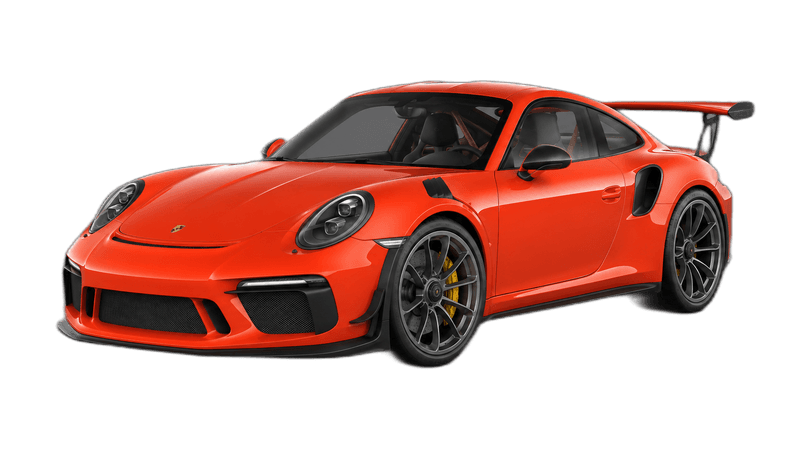
Porsche 911 GT3 RS (991.2)
£250,000
usedIndicative market price, updated periodically.
513bhp
Power
3.2s
0-100 km/h
312km/h
Top Speed
£250,000
Price Used
How hard it pulls.
Peak g-force the instant you bury the throttle, estimated from the car's 0–100 time and drivetrain.
Porsche 911 GT3 RS (991.2)Estimated peak launch g from the 0–100 time and drivetrain: an honest approximation, not a measured figure.
The Porsche 911 GT3 RS (991.2) is a 2-door coupe by Porsche, with 513 bhp, 470 Nm of torque, a 0-100 km/h time of 3.2 seconds and a top speed of 312 km/h. Indicative used value: approximately £250,000. Actual values vary with specification, condition and history.
Dream Car Garage Editorial · Last updated 27 October 2026
Overview
We have not driven this car. This review is based on published specifications and the sources listed below.
The second 991 RS specification
Porsche's 2018 announcement gives the 991.2 GT3 RS a 4.0-litre naturally aspirated engine producing 520 PS, or about 513 bhp, with seven-speed PDK and rear-wheel drive. The quoted maximum speed is 312 km/h. Rear-axle steering was recalibrated for this version, so the later RS should not be described as only an engine increase over the 991.1.
This is a desk-researched ownership guide. We have not driven this model for this article. The distinction matters when reading option lists and inspection reports. Clubsport and Weissach equipment, wheel materials and brake specification can change what should be present on the car.
Engine and PDK records
Ask for engine and gearbox identities, service history and diagnostic evidence appropriate to the 4.0-litre RS. A specialist should interpret stored faults, operating data and any over-rev information rather than treating a printout as a pass or fail without context. Leaks, cooling issues and abnormal running require direct diagnosis.
The PDK was the only transmission offered. A listing that implies a manual option is confusing this car with another GT model. Request gearbox service and software records where relevant, and investigate warnings or abnormal behaviour through diagnosis rather than assumption.
Do not apply engine campaigns or failure claims from a different GT model without VIN-specific evidence. The sources used for this guide do not establish a universal defect rate. Condition should be established on the car being inspected.
Chassis calibration and alignment
Rear-axle steering, suspension joints and alignment work together in the RS chassis. Any accident repair, suspension replacement or geometry change should be documented with measurements and calibration where required. Ask for before-and-after alignment figures if work has been performed.
The 9Werks and PistonHeads guides emphasise the value of inspection for geometry, rear steering and circuit-related wear. Track use should come with maintenance and inspection records, not an automatic verdict. Conversely, low mileage does not exclude alignment or suspension problems.
Inspect wheels, tyres and suspension together. Incorrect tyre specification, ageing tyres or damage can complicate any assessment of chassis behaviour. Centre-lock hardware requires the correct tools and procedures.
Clubsport and Weissach are not interchangeable labels
Porsche offered the Clubsport package at no additional cost and the Weissach package as a further lightweight option. Verify the actual build sheet rather than inferring a package from visual trim. Roll cage, harnesses and safety equipment should match market and factory specification.
The Weissach package includes carbon-fibre components and can include magnesium wheels. PistonHeads' guide separates the weight contributions of package elements, which is more precise than assigning one generic saving to every car. A car with some carbon parts is not necessarily a full Weissach example.
If magnesium wheels are claimed, establish their provenance and have them inspected appropriately. Record whether original wheels or other removed components accompany the car. Package identity should be supported by factory records, not a seller's shorthand.
Carbon panels, brakes and underbody
Carbon-fibre wings, bonnet and other lightweight components should be inspected for cracks, repairs and correct fit. Wing supports, front aero and undertrays deserve attention because low-speed contact or circuit use may leave evidence below the visible bodywork. Ask for repair photographs when panels have been replaced.
Determine whether the car has steel brakes or optional PCCB. Inspect the fitted system rather than assuming ceramics from the model name. Disc damage, measured wear and replacement provenance belong in the report. Brake and tyre condition should be considered alongside any intended circuit use.
Underbody inspection may reveal damaged trays, fasteners or contact that photographs do not show. The inspector should explain any areas that could not be examined.
Tyres, brake fluid and cooling components belong in the same inspection even if the car has covered little mileage. Ask for production dates and check all four tyres for damage and correct specification. Confirm when the brake fluid was last changed and whether the cooling system has been serviced. Storage conditions can affect seals, hoses and electrical connectors as well as paint.
A records-led purchase, not a value forecast
Confirm the VIN, options, service continuity and campaign status. Reconcile modifications with invoices and identify whether factory parts are included. Low production volumes and specialist packages do not remove the need for this work, and they do not support a promise about future pricing.
Ask for a cold-start observation, a diagnostic report and a check of the safety equipment before any road evaluation. The seller's description of originality should be compared with the build record, not just the visible carbon parts. If the car has been modified for track use, request the invoices and establish whether the changes are reversible and whether the original parts remain.
An independent GT specialist should review both the car and its file. The scope should cover diagnostics, chassis, lightweight panels, brakes, wheels and any previous repairs. A generic used-911 inspection leaves important RS-specific questions unanswered. An inspection that cannot access the underside or the diagnostic records should be treated as incomplete. The final report should identify every item that could not be examined and explain why.
How this review was compiled
We have not driven this model for this article. Porsche's 2018 launch material provides the output, maximum speed and package facts. PistonHeads' 991 GT3 guide supplies the 991.2 RS lightweight-equipment breakdown and inspection context, with additional buying guidance from 9Werks. Market, investment and unsupported reliability claims in secondary material are excluded. No transaction survey or fault frequency is claimed here.
Specifications
Engine
4.0L (3996 cc) naturally aspirated flat-6
Displacement
4.0L
Power
513 bhp
Torque
470 Nm
0-100 km/h
3.2s
Top Speed
312 km/h
Drivetrain
RWD
Country
Germany
Body Style
2-door coupe
Years
2018–2019
Price Used
£250,000
Specifications are manufacturer-published figures.
More from Porsche
Frequently Asked Questions
What are the specifications of the Porsche 911 GT3 RS (991.2)?
The Porsche 911 GT3 RS (991.2) is a 2-door coupe by Porsche, with 513 bhp, 470 Nm of torque, a 0-100 km/h time of 3.2 seconds and a top speed of 312 km/h. Indicative used value: approximately £250,000. Actual values vary with specification, condition and history.
How much does a Porsche 911 GT3 RS (991.2) cost?
Indicative used value: approximately £250,000. Actual values vary with specification, condition and history.
What drivetrain does the Porsche 911 GT3 RS (991.2) use?
The Porsche 911 GT3 RS (991.2) is configured with rear-wheel drive.
What type of car is the Porsche 911 GT3 RS (991.2)?
The Porsche 911 GT3 RS (991.2) is a track focused manufactured by Porsche in Germany. Production ran from 2018 to 2019.