
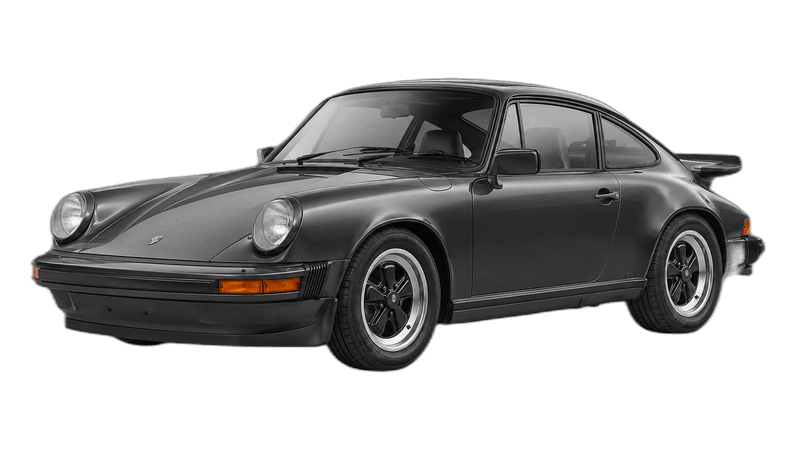
Porsche 911 SC
£65,000
usadoIndicative market price, updated periodically.
178cv
Potencia
6.5s
0-100 km/h
235km/h
Velocidad Máxima
£65,000
Precio Usado
Cómo empuja.
La fuerza g máxima en el instante en que pisas a fondo, estimada a partir del 0–100 y la tracción del coche.
Porsche 911 SCG de salida estimada a partir del 0–100 y la tracción: una aproximación honesta, no una cifra medida.
The Porsche 911 SC is a 2-door coupe by Porsche, producing 178 bhp, and 265 Nm of torque, with a 0-100 km/h time of 6.5 seconds, and a top speed of 235 km/h, Valued at approximately £65,000.
Dream Car Garage Editorial · Last updated 25 October 2026
Visión General
We have not driven this car. This review is based on published specifications, owner reports and market listings.
Understand the SC before comparing examples
The 911 SC belongs to the impact-bumper era and uses a three-litre air-cooled flat-six with Bosch K-Jetronic continuous injection. Its five-speed 915 transmission and rear-engine layout create a different ownership proposition from a later water-cooled 911. Original-market specifications changed during production, so an advertised power figure should be checked against the actual engine and build rather than applied to every SC.
We have not driven this model for this article. This desk-researched guide considers the model's engineering and practical inspection questions, not personally measured handling or reliability. Choose an SC because its format and controls interest you. The air-cooled label does not establish low maintenance, and historical popularity cannot certify how an individual car has been repaired or used.
Authenticate the body and engine
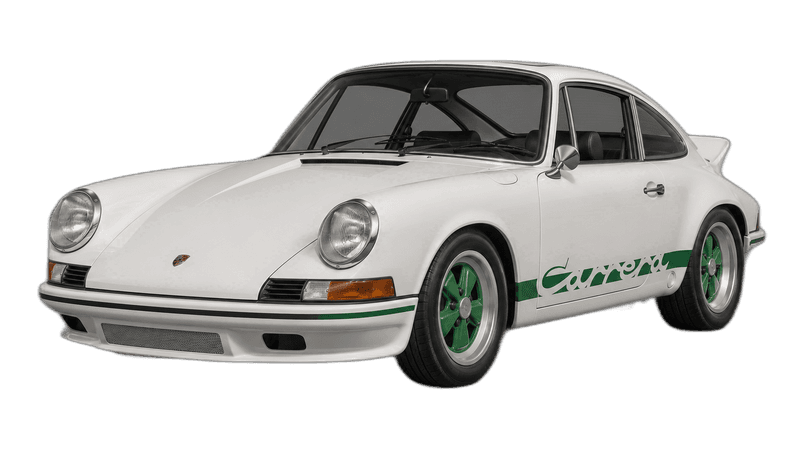
Confirm chassis identity, original body and installed engine through records. A coupe, Targa and Cabriolet have different weather-sealing and access requirements, while later cosmetic updates may disguise the original configuration. A wide body, spoiler or Carrera script does not change the chassis into a different factory derivative. Ask for photographs and invoices explaining conversions rather than relying on a registration description alone.
An engine replacement or rebuild is not automatically a reason to reject the car. Establish what unit is fitted, who worked on it, the scope of the work and the subsequent mileage. An invoice simply saying rebuilt cannot establish which internal components were inspected or replaced. Reconcile the history with engine numbers and obtain an informed assessment of present condition.
Galvanising is not a structural inspection
Inspect sills, inner structures around the rear of the sills, jacking areas, floors, battery areas and suspension mounting points. Check screen surrounds and the quality of previous welding. Galvanised construction does not make a decades-old shell immune to corrosion, especially after collision repair or replacement panels. Fresh underseal can conceal as well as protect, so request appropriate access and photographs.
Structural work should be assessed by method and result, not only its invoice total. Ask how alignment was established, what concealed corrosion was found and whether photographs show the repair before finishing. A history check cannot reveal every privately funded incident. If dismantling is needed to assess an important area, record the limitation rather than treating the inaccessible section as proven sound.
Head studs, tensioners and engine evidence
Head-stud condition and timing-chain tensioner arrangements are relevant inspection subjects in SC buying advice. Ask a specialist to identify what is installed and assess the actual engine. A later tensioner update does not certify every internal component, nor should an unsupported seller statement be treated as proof that an update occurred. Obtain records and clarify what can be checked without extensive dismantling.
Compression or leak-down testing may help investigate engine condition when properly conducted and interpreted. Results need context, including test method and symptoms; one reading does not prescribe a complete rebuild or guarantee a long service life. Investigate abnormal noise, leaks, poor running and previous overheating. A quiet start is not a substitute for an inspection or a universal certificate of bearing and cylinder health.
Injection, starting and exhaust equipment
Demonstrate a genuinely cold start and a hot restart. The continuous-injection system needs correct diagnosis of pressure, air leaks and related controls rather than random replacement of familiar parts. Ask about modifications to ignition, intake or fuel equipment and whether the installation remains appropriate to the engine. The ability to idle for a viewing does not establish correct running throughout the operating range.
Inspect exhaust and heat-exchanger condition, installation and repair history. Cabin heating depends on equipment that should be assessed as a system, not just a dashboard lever. Investigate exhaust smells or damaged ducting with suitable expertise before use. A sports exhaust may alter sound without resolving corrosion, improving heating or meeting every local noise requirement.
The 915 and the chassis
Have a technician familiar with the 915 assess clutch operation and selection cold and warm. Its operating characteristics differ from a modern gearbox, but that does not excuse persistent crunching or a gear that cannot be engaged reliably. Linkage condition, adjustment and internal wear require diagnosis. Do not promise that a fluid change will cure an unidentified problem or prescribe replacement from a brief demonstration alone.
Inspect torsion-bar suspension, bushes, dampers, steering, wheel bearings and brakes. Incorrect ride height or a mismatched modification package can affect clearance and alignment. Ask for setup records and inspect tyres for age, suitability and uneven wear. A seller describing the car as lively should not prevent investigation of instability, poor tracking or tired components.
Cabin, roof and ownership plan
Test ventilation, heating controls, lights, windows, instruments and any air conditioning actually fitted. A period system may have modest capability without being defective, but equipment advertised as functional should work. On a Targa, inspect removable-roof fit and seals; on a Cabriolet, inspect fabric, mechanism and water entry. The same body advice does not apply indiscriminately to all three versions.
Obtain separate estimates for routine servicing, structural work, engine diagnosis and optional cosmetics. There is no current workshop-quotation survey here supporting a universal annual bill. Include insurance, storage, tyres and transport to a capable specialist. A complete trim set or a documented engine job may be useful, but neither offsets an unresolved shell problem automatically.
Value, alternatives and research limits
Compare the same body, market specification and documented condition, separating asking prices from transactions. This guide establishes no price trend or promise of financial returns. A later Carrera 3.2 offers Motronic engine management, while a 964 adds a different chassis and equipment package. Neither is automatically cheaper to maintain simply because it is newer.
The SC suits someone who specifically wants its mechanical configuration and can arrange ongoing specialist care. The references supply history and published inspection context, not certification of a particular car. No road test, current valuation survey or measured failure-rate study was undertaken. Have the shell and engine assessed before making the purchase depend on a reassuring badge or rebuild claim.
Especificaciones
Motor
3.0L Flat-6 naturally aspirated
Cilindrada
3.0L
Potencia
178 cv
Par Motor
265 Nm
0-100 km/h
6.5s
Velocidad Máxima
235 km/h
Tracción
RWD
País
Germany
Carrocería
2-door coupe
Años
1978–present
Precio Usado
£65,000
Specifications are manufacturer-published figures.
Más de Porsche
Preguntas Frecuentes
What are the specifications of the Porsche 911 SC?
The Porsche 911 SC is a 2-door coupe by Porsche, producing 178 bhp, and 265 Nm of torque, with a 0-100 km/h time of 6.5 seconds, and a top speed of 235 km/h, Valued at approximately £65,000.
How much does a Porsche 911 SC cost?
The Porsche 911 SC has a used market value of approximately £65,000.
Is the Porsche 911 SC AWD or RWD?
The Porsche 911 SC uses a RWD drivetrain configuration in a 2-door coupe body style.
What type of car is the Porsche 911 SC?
The Porsche 911 SC is a sports cars manufactured by Porsche in Germany. Production started in 1978.