
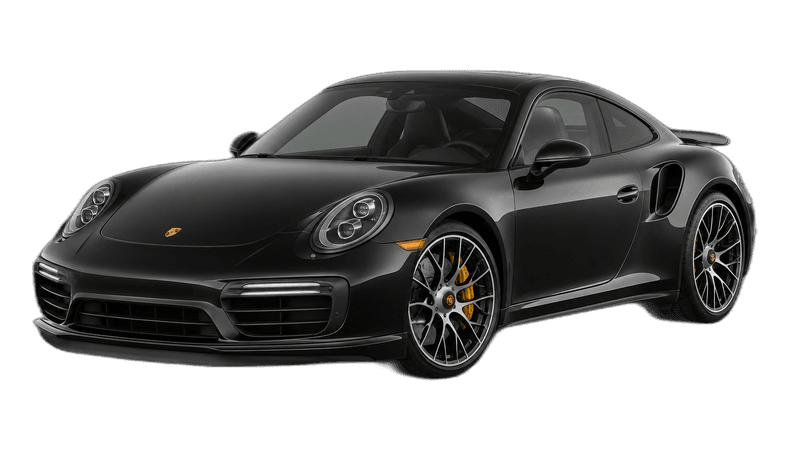
Porsche 911 Turbo S (991.2)
£150,000
usedIndicative market price, updated periodically.
572bhp
Power
2.9s
0-100 km/h
330km/h
Top Speed
£150,000
Price Used
How hard it pulls.
Peak g-force the instant you bury the throttle, estimated from the car's 0–100 time and drivetrain.
Porsche 911 Turbo S (991.2)Estimated peak launch g from the 0–100 time and drivetrain: an honest approximation, not a measured figure.
The Porsche 911 Turbo S (991.2) is a 2+2 coupe / cabriolet by Porsche, with 572 bhp, 750 Nm of torque, a 0-100 km/h time of 2.9 seconds and a top speed of 330 km/h. Indicative used value: approximately £150,000. Actual values vary with specification, condition and history.
Dream Car Garage Editorial · Last updated 27 October 2026
Overview
We have not driven this car. This review is based on published specifications and the sources listed below.
Identify the standard Turbo S first
The facelifted 991 Turbo S produced 580 PS and 750 Nm from its 3.8-litre twin-turbocharged flat-six. Porsche quoted 2.9 seconds to 100 km/h and 330 km/h for the coupe. Seven-speed PDK, all-wheel drive, rear-axle steering and active aerodynamics were integral to the package. Dynamic Boost helped preserve boost during brief throttle lifts, while Sport Response changed powertrain responsiveness for a short period.
This is a desk-researched ownership guide. We have not driven this model for this article. Do not confuse the standard Turbo S with the later Exclusive Series, which had a different output and trim specification, or with a modified car whose software may no longer resemble either factory version.
Read the option and modification record together
Obtain the original build sheet and confirm badging, interior details, wheels, brakes and chassis equipment against it. An Exclusive Series badge or aftermarket part does not by itself establish identity. Record software changes, exhaust hardware, suspension alterations and any engine work, including who performed it and whether original components accompany the car.
A higher-output claim needs specific evidence. A generic statement that the car has a factory power kit is not enough. Modifications can change inspection priorities and warranty conversations, so ask the specialist and any covering provider to assess the actual specification rather than the original brochure alone.
PDK and dynamic systems need functional checks
Assess PDK engagement, low-speed control, ordinary shifts and manual selection from cold through full operating temperature. Review fluid-service evidence and previous transmission repairs. Hesitation, warning messages or abnormal noises should be diagnosed, not explained away as normal dual-clutch behaviour or assumed curable with fluid alone. Ask whether previous work addressed the actual cause and whether any adaptations or calibrations were completed afterwards. A smooth short demonstration is useful evidence, but it cannot replace inspection of records and diagnostic information.
Check that Sport Response and the selectable driving modes operate without warnings. These functions involve engine and transmission control, so a fault may not be isolated to a dashboard button. Review diagnostic records and software updates with the workshop, especially where tuning has been installed or removed.
Cooling and engine-support systems
StuttCars' 991 guide identifies water-pump and coolant checks, ignition coils and sensors as relevant inspection areas. Examine accessible radiators, hoses and evidence of leaks, and review any overheating history. Ask what additional access is needed to inspect the areas that cannot be seen with the engine cover open.
Investigate misfires, warning lights or inconsistent running through scan data and targeted tests. Recent coils or plugs can document maintenance, but repeated replacement without a diagnosis deserves explanation. Oil and coolant condition should be assessed on evidence, with no assurance drawn simply from the Turbo S's position at the top of the range.
Rear steering, PASM and PDCC
Rear-axle steering requires correct operation and alignment. Investigate warnings and unusual tyre wear, and ask whether calibration has been checked after suspension or accident repairs. PASM dampers, control arms, bushes and mounts should be assessed for leaks, noise and wear rather than judged solely by a short drive.
Determine whether PDCC is fitted and inspect its operation and related warnings. A modified ride height or wheel package can alter alignment and tyre clearance. Request current alignment figures, matching tyres and evidence that the setup works as a whole. The fastest specification is not necessarily the most suitable one for damaged local roads.
Active aerodynamics and underbody condition
The active front spoiler and variable rear wing are functional components. Check deployment and retraction where appropriate, along with diagnostic warnings and signs of impact or poor repair. Front cooling flaps and undertrays also merit inspection. A stationary component should be diagnosed before parts are ordered.
Inspect the front bumper, cooling openings, underbody and structural areas for damage. Both coupe and Cabriolet versions exist; on an open car, test the roof and examine seals, drainage and moisture. Repair quality and correct calibration matter more than a polished engine cover or freshly detailed rear wing.
Brakes, tyres and circuit history
Identify the brake system currently fitted. Inspect steel discs and pads by measurement and examine ceramic discs closely for damage, scoring or uneven wear. Review hoses, fluid history and any track preparation. The Turbo S can consume tyres and brakes quickly under demanding use, but this guide assigns no universal service life.
Check wheel condition, tyre model, dates and matching specification across both axles. Ask for alignment and corner-weight records if modifications or circuit use make them relevant. A low odometer reading does not answer how the car was stored, prepared or used.
Verify equipment and ownership scope
Test PCM, seat functions, climate control, parking aids and the fitted instruments. Confirm that optional equipment described in the advertisement is present and functional. On highly trimmed cars, cosmetic condition and original panels matter, but they should not displace mechanical inspection.
Request a written report that separates urgent repairs, maintenance due and unresolved diagnosis. Include the cost of returning unwanted modifications to a coherent specification where relevant. No resale premium or reliability guarantee is assumed here. Choose a Turbo S whose identity and condition are clear, not one that asks a later owner to accept hidden specification questions.
How this review was compiled
Porsche's official Turbo S history and Turbo-generation material provided the model distinctions and manufacturer figures. StuttCars' 991 guide informed general inspection questions. We did not drive the car, measure component life, collect prices or compare transactions. All service needs and values require vehicle-specific assessment.
Specifications
Engine
3.8L (3800 cc) twin-turbocharged flat-6
Displacement
3.8L
Power
572 bhp
Torque
750 Nm
0-100 km/h
2.9s
Top Speed
330 km/h
Drivetrain
AWD
Country
Germany
Body Style
2+2 coupe / cabriolet
Years
2016–2019
Price Used
£150,000
Specifications are manufacturer-published figures.
More from Porsche
Frequently Asked Questions
What are the specifications of the Porsche 911 Turbo S (991.2)?
The Porsche 911 Turbo S (991.2) is a 2+2 coupe / cabriolet by Porsche, with 572 bhp, 750 Nm of torque, a 0-100 km/h time of 2.9 seconds and a top speed of 330 km/h. Indicative used value: approximately £150,000. Actual values vary with specification, condition and history.
How much does a Porsche 911 Turbo S (991.2) cost?
Indicative used value: approximately £150,000. Actual values vary with specification, condition and history.
Is the Porsche 911 Turbo S (991.2) AWD or RWD?
The Porsche 911 Turbo S (991.2) uses a AWD drivetrain configuration in a 2+2 coupe / cabriolet body style.
What type of car is the Porsche 911 Turbo S (991.2)?
The Porsche 911 Turbo S (991.2) is a sports cars manufactured by Porsche in Germany. Production ran from 2016 to 2019.