Se la hypercar riguarda l'estremismo assoluto e la supercar le prestazioni aspirazionali, l'auto sportiva riguarda qualcosa di più fondamentale: la gioia di guidare. Una grande sportiva non ha bisogno di essere la cosa più veloce sulla strada. Deve comunicare, premiare, far sentire il guidatore connesso all'asfalto sotto le ruote in un modo che il trasporto ordinario semplicemente non può replicare.
La classe delle auto sportive è più ampia e più democratica nei suoi intenti rispetto ai livelli superiori. Qui troverete il muscle americano con V8 accanto ai sei cilindri piatti sviluppati con precisione forense da Porsche e ai purosangue sovralimentati di Jaguar. Ciò che le unisce è l'impegno verso il coinvolgimento del guidatore sopra ogni altra cosa: la sensazione che l'auto sia un partner, non semplicemente un veicolo.
La nostra classifica 2026 valuta la potenza erogata, il carattere di guida e la risposta emotiva che ogni auto genera: i parametri che contano davvero quando l'auto sportiva è il fine stesso.
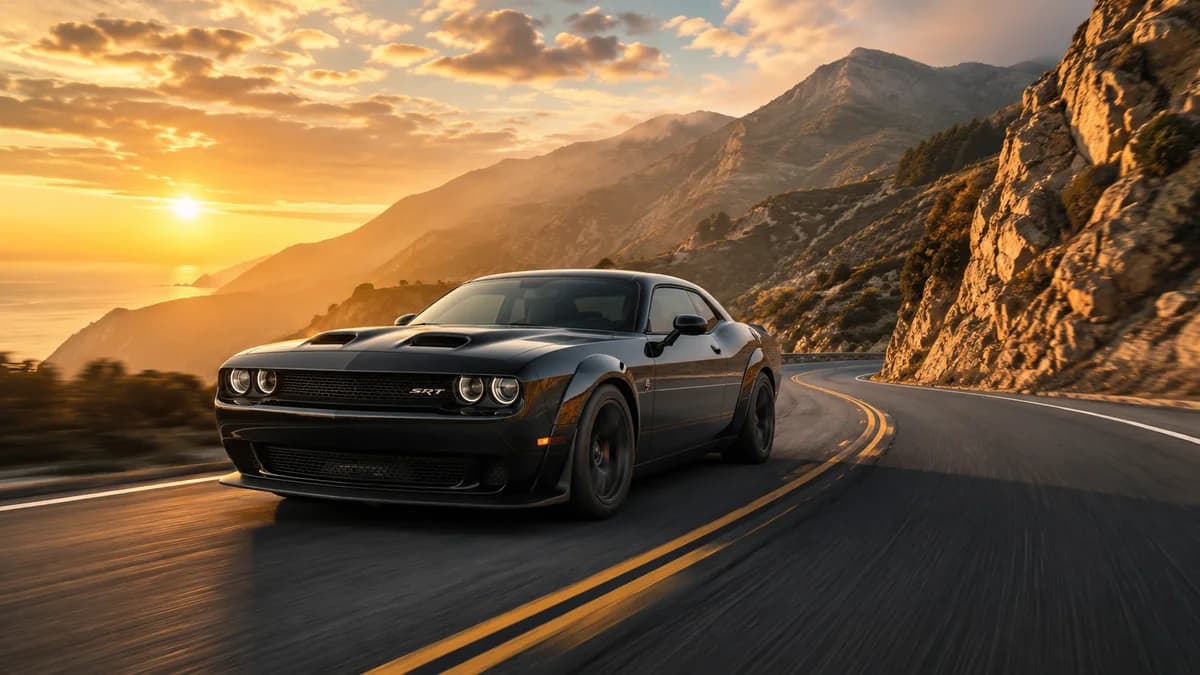
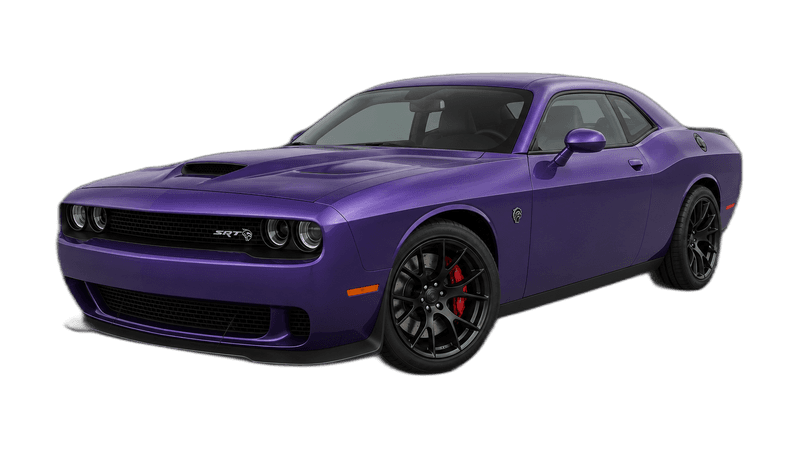
Few sports cars make an entrance quite like the Hellcat. Its 6.2-litre supercharged V8 delivers 717bhp with an operatic soundtrack and a rear-wheel-drive dynamic that rewards commitment and punishes complacency in equal measure.
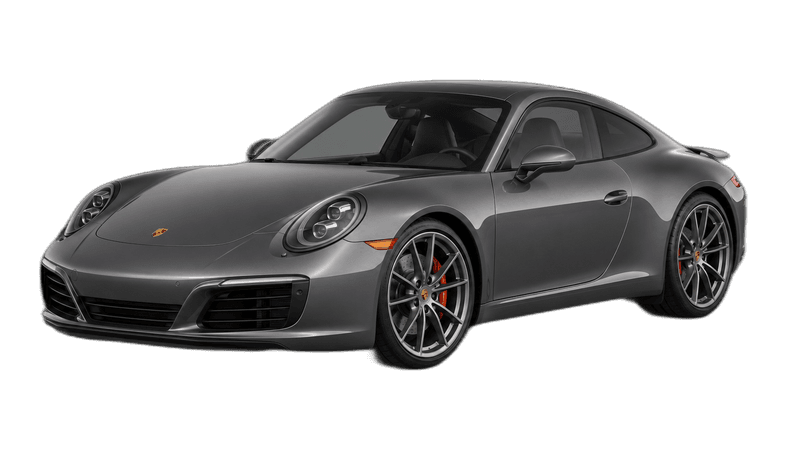
The 991.2 Carrera S represents the pinnacle of Porsche's turbocharged 911 development: 503bhp from a 3.0-litre flat-six, with a chassis so well resolved that finding its limits requires a racetrack and genuine skill.
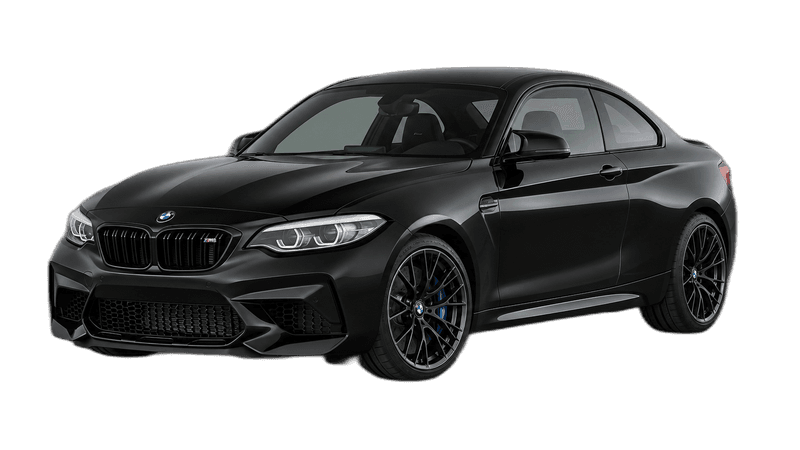
The F87 M2 Competition is BMW M's last great analogue sports car: 523bhp, rear-wheel drive, a six-speed manual option, and a chassis balance that recalls the celebrated E46 M3. A car that improves with every subsequent drive.
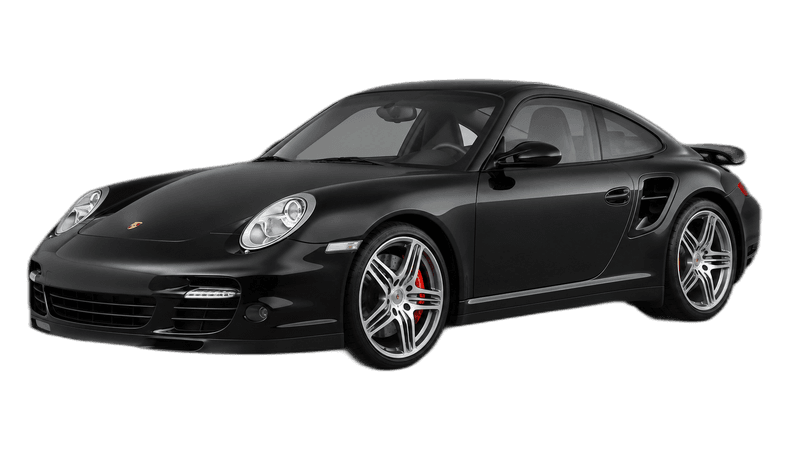
The 997 Turbo established the template for the modern all-weather supercar, AWD traction, 503bhp, and a ride quality that makes it as usable in January as in July. Its manual gearbox option now reads as a precious artefact.
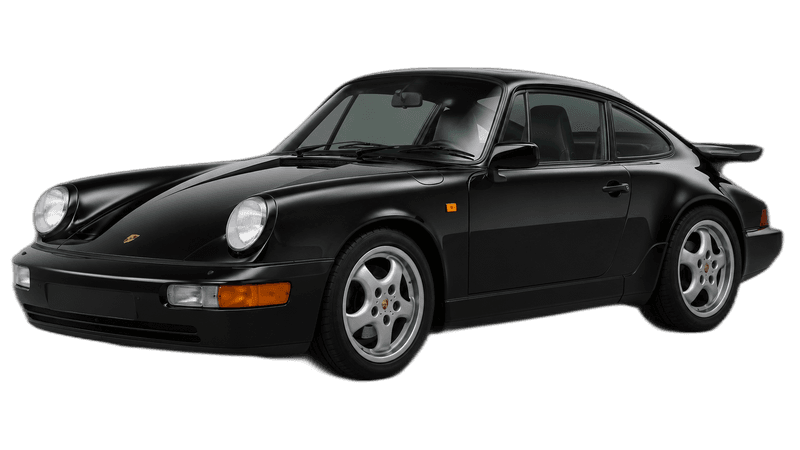
The 964 marked Porsche's transition to the modern 911 era, retaining air-cooled purity while introducing power steering and ABS. At 503bhp in its most potent form, it remains one of the most sought-after classic sports cars on the market.
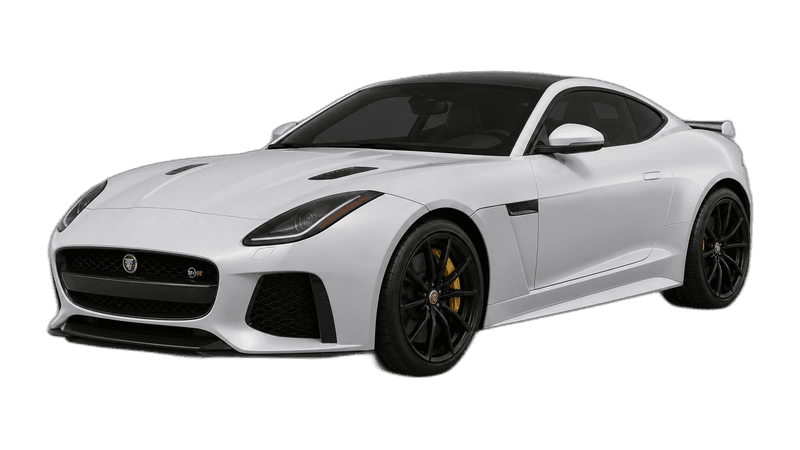
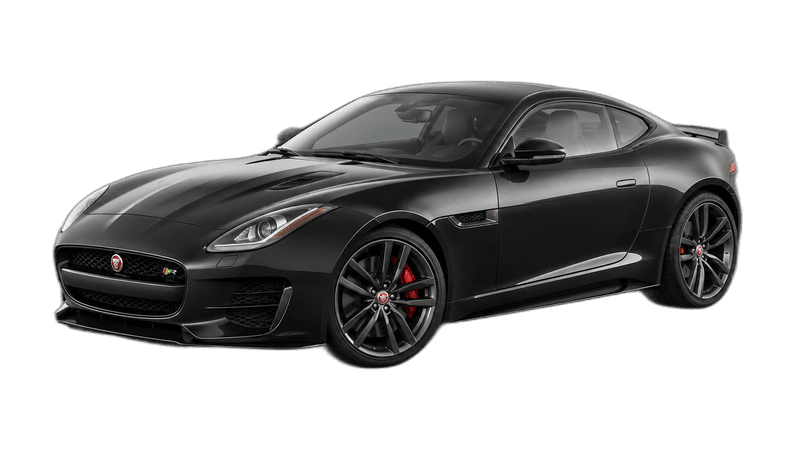
The SVR takes Jaguar's already compelling supercar formula and adds a titanium exhaust, carbonfibre aero, and 200 km/h open-air capability via its retractable hood. The result is the F-Type at its most focused and its most theatrical.
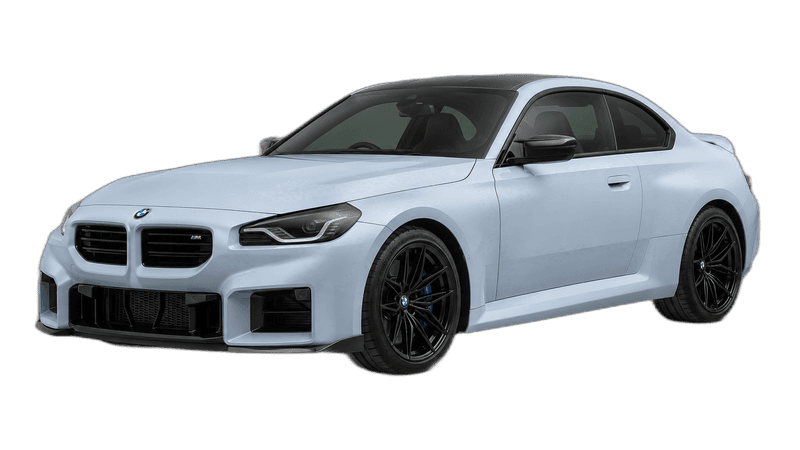
The G87 generation M2 is more powerful and more planted than its predecessor, deploying 523bhp through a revised chassis that keeps the M2's trademark accessibility while sharpening its responses for those who seek the limit.
The F-Type R is arguably the most beautiful sports car of its generation, and the supercharged 5.0-litre V8 provides 567bhp of muscle to match. AWD traction means the power is always accessible; the drama is always present.
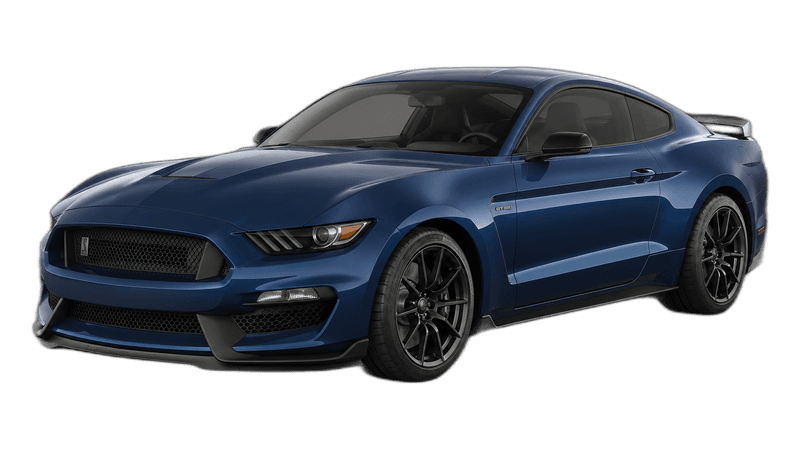
The GT350's flat-plane crank 5.2-litre V8 revs to 8,250 rpm and produces a sound that has no right to exist in a production Ford. At 526bhp it is the driver's Mustang, a sports car as much as a muscle car.
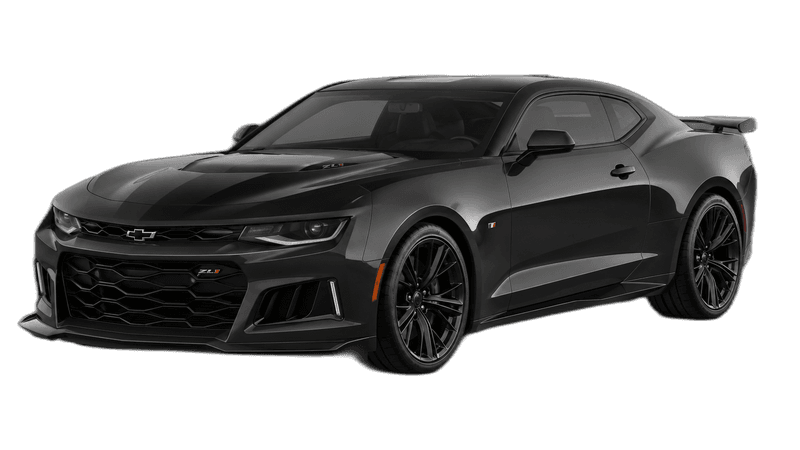
The ZL1 takes the Camaro's compact proportions and inserts a supercharged 6.2-litre V8 producing 650bhp. The result is a sports car with a broad power band, a magnetic ride control system of genuine sophistication, and genuine track credentials.
L'auto sportiva del 2026 si trova a un bivio: alcuni costruttori hanno abbracciato l'elettrificazione mentre altri difendono la fiamma analogica con crescente fervore. Entrambi gli approcci producono risultati straordinari. Le dieci auto qui presentate rappresentano il meglio di entrambe le filosofie, ognuna un motivo convincente per prendere la strada più lunga verso casa.