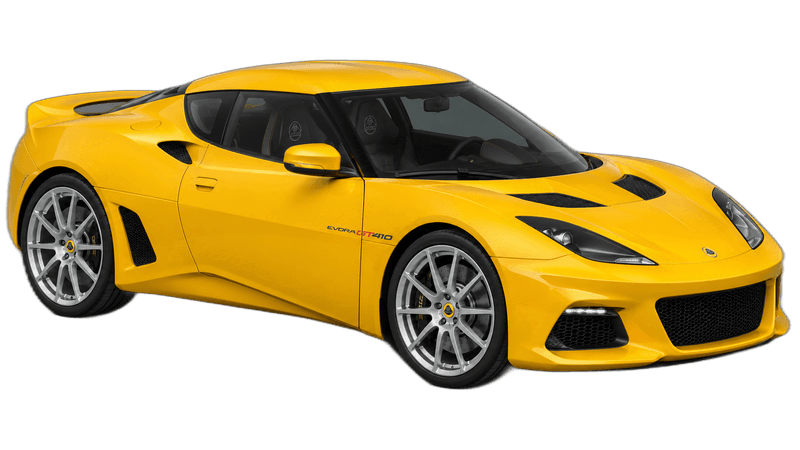
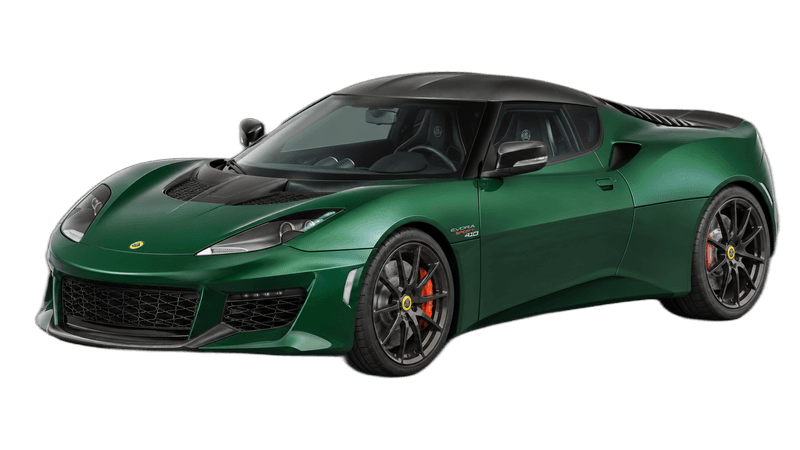
Lotus Exige S V6
£55,000
usatoIndicative market price, updated periodically.
345cv
Potenza
3.8s
0-100 km/h
280km/h
Velocita Massima
£55,000
Prezzo Usato
The Lotus Exige S V6 produces 345 bhp, reaches 100 km/h in 3.8 seconds and has a top speed of 280 km/h. A representative example is worth about £55,000.
Quanto spinge.
La forza g di picco nell'istante in cui affondi l'acceleratore, stimata dal tempo 0–100 e dalla trazione.
Lotus Exige S V6G di partenza stimata dal tempo 0–100 e dalla trazione: un'approssimazione onesta, non un dato misurato.
Dream Car Garage Editorial · Edited by José Teo Lorente Vallecillos · Last updated 30 October 2026
Panoramica
We have not driven this car. This review is based on published specifications and the sources listed below.
The V6 Exige moved the car into a sharper class
The Lotus Exige S V6 was a major change from the four-cylinder Exige formula. Our catalogue uses the 2012–2015 phase: a 3456 cc supercharged Toyota 2GR-FE V6 with 345 bhp, 400 Nm, 0 to 100 km/h in 3.8 seconds and a 280 km/h maximum, with rear-wheel drive. We have not driven this model for this article. This is a desk-researched ownership guide using Lotus's Exige history, the PistonHeads Exige S3 used buying guide and the DVSA recall service.
Lotus describes the 2011 Exige S as a longer and wider car with a supercharged 3.5-litre V6 delivering 345 bhp. PistonHeads records the same 345 hp and 295 lb ft of torque, with 0 to 62 mph in 3.8 seconds, a 168 mph maximum and a choice of manual or automatic gearbox. It also notes the Dynamic Performance Management system, optional Touring and Sport configurations and an optional Race Pack with launch control. Those options matter because two Exige S cars can feel very different depending on equipment and setup.
The V6 engine is robust, but cooling and clutch need evidence
The Toyota-sourced supercharged V6 is generally strong. PistonHeads describes the chain-driven engine as robust, the supercharger as reliable and the main mechanical watchpoints as noisy cooling-fan bearings, clutch wear on hard-used cars and the usual service discipline. Ask for oil-change invoices, coolant work, spark plugs, drive belts and any supercharger service. A car used on track should have shorter intervals and records for brake fluid, tyres and geometry resets.
The cooling fan issue is worth checking because it can sound alarming before it becomes expensive. Listen for bearing noise at idle and during warm-up, and ask whether the fan or shroud has been replaced. The clutch should take up smoothly without slip or judder, and the gearbox should select cleanly. PistonHeads notes a weak brake-pedal switch as a known point, so the brake lights, switch operation and any stored fault codes should be checked during a diagnostic scan.
Chassis and body condition matter more than cosmetic aggression
The V6 Exige uses an Evora-derived bonded structure with double-wishbone suspension. PistonHeads notes that there is no mechanical limited-slip differential, so the car's traction behaviour and tyre wear should not be judged against an LSD-equipped rival. The bonded tub, subframes and suspension pickups should be inspected for impact damage, fresh repairs, corrosion around steel inserts and uneven panel fit. A low, wide car can be damaged on kerbs, ramps and track exits without showing obvious damage from above.
Check the front clamshell, splitter, wheel arches, rear wing and engine-cover alignment. Stone chips and track scars can be honest wear, but they need to match the claimed use. The steering should be precise, and the suspension should feel controlled rather than crashy. Aftermarket dampers, brakes, wheels and geometry settings are common. They can be good, but they need invoices, a setup sheet and an explanation of why they were fitted.
Brakes, tyres and geometry are use-sensitive
The Exige S V6 is fast enough that brakes and tyres are working components, not styling details. Inspect disc condition, pad material, calipers, hoses and fluid history. If the car has been used on track, ask for pad and disc invoices, temperature-related wear checks and fluid-change records. Tyres should be matched, appropriate for the car and consistent with the alignment settings. Uneven wear can point to aggressive track use, poor geometry or suspension damage.
The road test should include a cold start, full warm-up, low-speed manoeuvres, a controlled third-gear pull and a series of braking events. Listen for cooling-fan noise, transmission whine, clutch slip and suspension knocks. The car should track straight and stop squarely. If the seller discourages a long enough test, treat that as information. A specialist inspection should include the underside, chassis number checks, diagnostic scan and a review of the dynamic systems.
Documents and derivative scope protect the buyer
The Exige S V6 sits within a broad final-generation Exige family, with later Sport 350, 380, 410, 420 and Cup cars offering different outputs and equipment. This entry is the 345 bhp Exige S, not those later derivatives. Verify the VIN, engine specification, DPM configuration, Race Pack status and gearbox type from documents and diagnostic evidence. Check the seats, harnesses, fire extinguisher, battery cut-off and other track equipment if fitted.
A road test should include a cold start, low-speed manoeuvring and a full-throttle pull in a safe gear. Listen for cooling-fan bearing noise, check clutch take-up and confirm that the DPM modes change the car's responses without warning lights. Use the DVSA recall service to check outstanding safety actions and confirm campaign work through a Lotus specialist. Ask for a pre-purchase inspection that includes the underside, diagnostic scan, cooling system, clutch operation, brake condition and a documented road test, not only a short dealer drive. The right car should have a documented cooling-fan and clutch history, a dry bonded structure, clean diagnostic scan, correct DPM specification and brakes matched to its actual use. The right car should also come with a calm explanation of how it has been stored, transported and exercised. Occasional-use cars need evidence of regular full-temperature runs, a healthy battery and careful post-track checks, not only a polished advert and a short dealer drive. Ask for the last service invoice, diagnostic printout and any setup sheets so the mechanical story can be checked rather than assumed. This guide combines Lotus, PistonHeads and DVSA evidence. It keeps no unsupported exact production count for this derivative.
Specifiche
| Motore | 3.5-litre (3456 cc) supercharged Toyota 2GR-FE V6 petrol |
|---|---|
| Cilindrata | 3.5L |
| Potenza | 345 cv |
| Coppia | 400 Nm |
| 0-100 km/h | 3.8s |
| Velocita Massima | 280 km/h |
| Trazione | RWD |
| Paese | UK |
| Carrozzeria | 2-door coupe |
| Anni | 2012–2015 |
| Prezzo Usato | £55,000 |
Specifications are manufacturer-published figures.
Domande Frequenti
What is a Lotus Exige S V6 worth?
A representative example is worth about £55,000. Actual values vary with specification, condition and history.
How much power does the Lotus Exige S V6 have?
The Lotus Exige S V6 produces 345 bhp and 400 Nm of torque.
How fast is the Lotus Exige S V6 from 0 to 100 km/h?
The Lotus Exige S V6 accelerates from 0 to 100 km/h in 3.8 seconds.
What is the top speed of the Lotus Exige S V6?
The Lotus Exige S V6 has a top speed of 280 km/h.
What engine does the Lotus Exige S V6 have?
The Lotus Exige S V6 uses a 3.5-litre (3456 cc) supercharged Toyota 2GR-FE V6 petrol.
When was the Lotus Exige S V6 built?
The Lotus Exige S V6 was built from 2012 to 2015.
Is the Lotus Exige S V6 all-wheel drive?
No. The Lotus Exige S V6 is configured with rear-wheel drive.