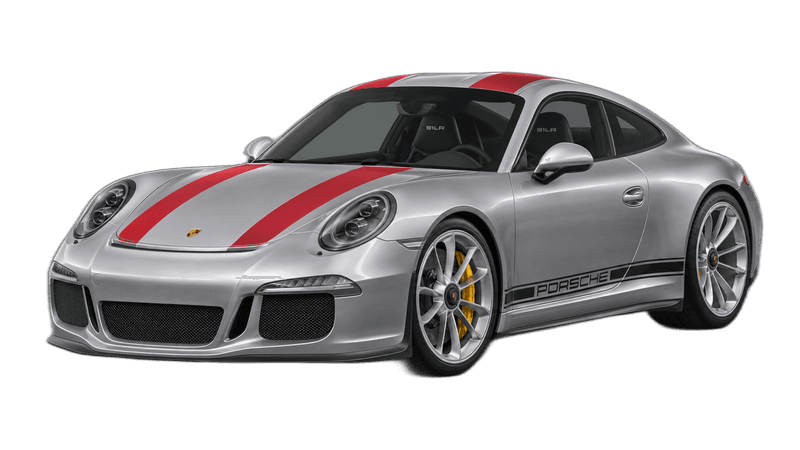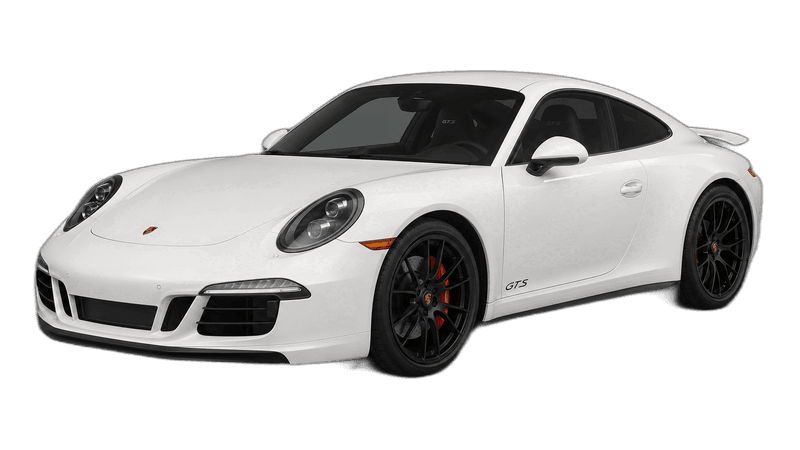
Porsche 911 Carrera GTS (991)
£75,000
usadoIndicative market price, updated periodically.
424cv
Potencia
4s
0-100 km/h
306km/h
Velocidad Máxima
£75,000
Precio Usado
The Porsche 911 Carrera GTS (991) produces 424 bhp, reaches 100 km/h in 4 seconds and has a top speed of 306 km/h. A representative example is worth about £75,000.
Cómo empuja.
La fuerza g máxima en el instante en que pisas a fondo, estimada a partir del 0–100 y la tracción del coche.
Porsche 911 Carrera GTS (991)G de salida estimada a partir del 0–100 y la tracción: una aproximación honesta, no una cifra medida.
Dream Car Garage Editorial · Edited by José Teo Lorente Vallecillos · Last updated 28 October 2026
Visión General
We have not driven this car. This review is based on published specifications and the sources listed below.
A distinct 991.1 Carrera GTS
The 991.1 Carrera GTS uses a 3.8-litre naturally aspirated flat-six producing 430 PS, approximately 424 bhp, and 440 Nm. This entry is the rear-wheel-drive coupe, with rear-wheel steering not part of its standard identity. Porsche quoted 4.0 seconds to 100 km/h for the PDK car and 306 km/h for the manual coupe. Production ran alongside the later 991.2, whose turbocharged engine is different.
We have not driven this model for this article. The sources are Porsche's launch material, the PistonHeads phase-one 991 buying guide and Porsche's VIN recall service. That buying guide concentrates on the base Carrera and Carrera S, not the GTS. Its reports are general inspection context, not evidence of a GTS-specific failure rate. No model-specific production total is established here.
Confirm the GTS equipment
The GTS uses the wider Carrera 4 body, Sport Chrono, sports exhaust and PASM sport suspension lowered by 10 mm. Centre-lock 20-inch wheels and Alcantara cabin trim are also part of the launch specification. Confirm these features against the build record rather than relying on a GTS badge or a photograph of black wheels.
Check the front splitter, wheel arches and underbody for contact. A replaced panel or wheel is not automatically a reason to reject a car, but the invoice should explain the damage and repair. Ask whether suspension or aerodynamic parts were changed and whether the original specification was restored. Record any areas that could not be inspected.
Naturally aspirated engine and service evidence
Observe the engine from cold and after warming, with oil and coolant levels and diagnostic history checked. PistonHeads discusses coil-pack misfires and a crank-position sensor that could cause hot starting problems on phase-one Carreras. Treat those as questions for a specialist, not a prediction for this GTS. A cleared warning does not explain why it occurred.
Dynamic engine mounts deserve inspection for leaks and previous replacement. Ask for invoices that identify the parts and the diagnosis rather than a general engine-repair description. Regular servicing and evidence of use are more informative than a low odometer with long gaps. Historic maintenance prices in the buying guide are not current quotations.
Manual and PDK assessments are different
A manual car needs a clutch, gear selection and differential assessment. For PDK, ask about fluid history, software, actuator or sensor warnings and any cooler-flange leaks. The buying guide also mentions cold first-to-second behaviour. These reports justify normal operation and diagnostic checks, not repeated aggressive launches during a viewing.
Have a model-familiar specialist interpret stored faults before they are cleared. Ask whether a symptom returned after repair and what was actually replaced. The GTS's extra power does not make the base-Carrera gearbox evidence inapplicable, but neither does it prove that the individual transmission is defective. Keep the owner account and diagnostic conclusion separate.
Centre-lock wheels and chassis
Centre-lock wheels require the correct removal equipment and torque procedure. Inspect for damage, record wheel and tyre specifications and ask who has serviced them. Uneven tyre wear should be compared with alignment measurements and the physical suspension inspection. The GTS's wider body does not make tyre condition or correct geometry optional.
PistonHeads notes that a front suspension noise can come from a leaking damper rather than only a top mount. Inspect the dampers, bushes and springs and relate any noise to a measured diagnosis. A knock at full lock can be a characteristic of the geometry rather than a defect, so let the specialist distinguish the two. Check the front radiators and underside for stone damage.
Brakes, tyres and recalled work
Measure the installed brake discs and pads and review fluid history. Do not assume that a GTS has the same brake equipment as a GT3 or a PCCB-equipped Carrera. Check for squeal, vibration and uneven wear through an appropriate inspection, and connect any circuit use with subsequent maintenance rather than treating that use as automatic abuse.
Use the full VIN in Porsche's recall service and ask a centre to confirm applicable completed work. The tool shows open campaigns, not the quality of unrelated servicing. A campaign affecting another 991 does not prove this chassis is affected. Keep the recall result with the service file and obtain current quotations for identified work.
Cabin and water-related checks
Test the air conditioning and inspect the front carpets for dampness. The phase-one guide describes a disconnected air-conditioning drain allowing water into the cabin and potentially reaching under-seat electronics. That is a prompt to check drainage and previous electrical investigation, not a claim that every GTS will suffer water damage.
Demonstrate the PCM, Bluetooth, windows, mirrors, sunroof where fitted, seats and climate controls. PistonHeads mentions software, sunroof squeaks and intermittent window or mirror behaviour. Ask for software and repair history and leave intermittent symptoms visible for diagnosis. Inspect Alcantara and seat bolsters for wear consistent with the car's use.
Provenance over presentation
Dated invoices should connect annual servicing, tyres, brakes, gearbox work and suspension repairs. Match replaced equipment with the factory build record and list original parts supplied with the car. If the vehicle was stored, ask about battery support and recommissioning. A recent detail cannot compensate for missing diagnostic or maintenance evidence.
An independent GTS inspection should cover engine and transmission diagnostics, centre-lock wheels, measured brakes, suspension, drainage and underbody access. Ask the inspector to identify what could not be demonstrated and to separate a confirmed fault from a recommendation to monitor. Resolve material omissions before relying on the report.
We have not driven this model for this article. No current transaction price, investment prediction or universal reliability claim is made. The production count remains unset because the cited sources do not establish an official total. Correct GTS identification, a bounded use of earlier Carrera evidence and a measured inspection are more useful than a generic list of 991 problems.
Especificaciones
| Motor | 3.8L (3800 cc) naturally aspirated flat-six |
|---|---|
| Cilindrada | 3.8L |
| Potencia | 424 cv |
| Par Motor | 440 Nm |
| 0-100 km/h | 4s |
| Velocidad Máxima | 306 km/h |
| Tracción | RWD |
| País | Germany |
| Carrocería | 2-door coupe |
| Años | 2014–2016 |
| Precio Usado | £75,000 |
Specifications are manufacturer-published figures.
Preguntas Frecuentes
What is a Porsche 911 Carrera GTS (991) worth?
A representative example is worth about £75,000. Actual values vary with specification, condition and history.
How much power does the Porsche 911 Carrera GTS (991) have?
The Porsche 911 Carrera GTS (991) produces 424 bhp and 440 Nm of torque.
How fast is the Porsche 911 Carrera GTS (991) from 0 to 100 km/h?
The Porsche 911 Carrera GTS (991) accelerates from 0 to 100 km/h in 4 seconds.
What is the top speed of the Porsche 911 Carrera GTS (991)?
The Porsche 911 Carrera GTS (991) has a top speed of 306 km/h.
What engine does the Porsche 911 Carrera GTS (991) have?
The Porsche 911 Carrera GTS (991) uses a 3.8L (3800 cc) naturally aspirated flat-six.
When was the Porsche 911 Carrera GTS (991) built?
The Porsche 911 Carrera GTS (991) was built from 2014 to 2016.
Is the Porsche 911 Carrera GTS (991) all-wheel drive?
No. The Porsche 911 Carrera GTS (991) is configured with rear-wheel drive.