
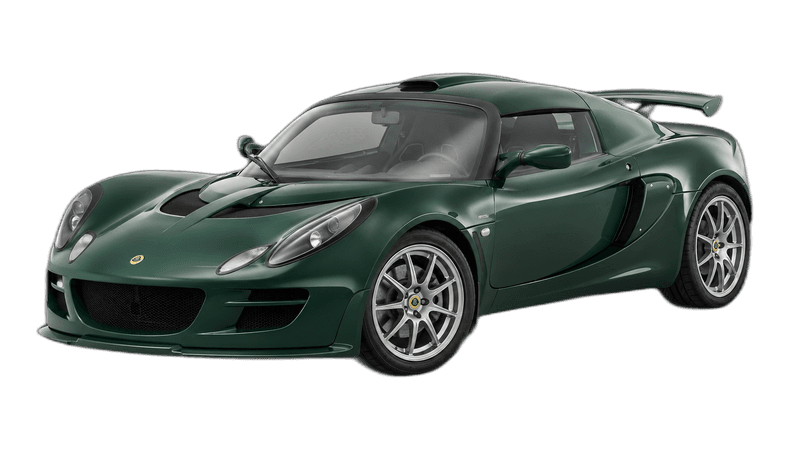
Lotus Exige S2
£35,000
usadoIndicative market price, updated periodically.
189cv
Potencia
4.9s
0-100 km/h
237km/h
Velocidad Máxima
£35,000
Precio Usado
Cómo empuja.
La fuerza g máxima en el instante en que pisas a fondo, estimada a partir del 0–100 y la tracción del coche.
Lotus Exige S2G de salida estimada a partir del 0–100 y la tracción: una aproximación honesta, no una cifra medida.
The Lotus Exige S2 is a 2-door coupe by Lotus, with 189 bhp, 187 Nm of torque, a 0-100 km/h time of 4.9 seconds and a top speed of 237 km/h. Indicative used value: approximately £35,000. Actual values vary with specification, condition and history.
Dream Car Garage Editorial · Edited by José Teo Lorente Vallecillos · Last updated 30 October 2026
Visión General
We have not driven this car. This review is based on published specifications and the sources listed below.
The S2 Exige turned the Elise into a sharper coupe
The Lotus Exige S2 took the lightweight Elise architecture and gave it a fixed-roof, track-oriented character. Our catalogue uses the 2004–2011 phase: a 1796 cc Toyota 2ZZ-GE naturally aspirated inline-4 with 189 bhp, 187 Nm, 0 to 100 km/h in 4.9 seconds and a 237 km/h maximum, with rear-wheel drive. We have not driven this model for this article. This is a desk-researched ownership guide using Lotus's Exige history, the PistonHeads Exige S2 buying guide and the DVSA recall service.
Lotus describes the second-generation Exige as a return in 2004 after the short S1 run. PistonHeads records the Toyota 2ZZ-GE at 190 hp at 7,800 rpm, 0 to 62 mph in 4.9 seconds and a 140 mph maximum, with wider wheels and bodywork, stiffer dampers and more aggressive tyres than the Elise. The supercharged Exige S, the 240R and other derivatives are related but distinct. This catalogue entry should not be valued as a supercharged car, and a modified engine should be treated as a separate specification with invoices.
The Toyota engine and gearbox reward regular use
PistonHeads' linked powertrain guidance describes the Toyota 2ZZ-GE as extremely reliable and willing to rev to 8,500 rpm. Service intervals are 9,000 miles or 12 months, with track cars benefiting from more frequent oil changes. The six-speed manual is tough, but synchromesh wear appears as third-gear or third-to-second crunch, especially from cold. A clean gearbox is one of the car's strengths; a crunching gearbox should be priced as a rebuild risk, not ignored as character.
The clutch is generally robust because the car is light, but take-up should still be smooth and the hydraulics should be dry. Check for oil leaks, coolant condition, correct plugs and evidence of regular full-temperature runs. Occasional-use cars can suffer battery drain and electrical gremlins, so a trickle-charger lead and recent battery history are useful clues. The original radiator has plastic end caps that can peel or leak, and replacement can be labour-intensive because the front clamshell is involved. An alloy radiator upgrade is common and sensible if it has been fitted properly.
The bonded tub and clamshells are structural value
The Exige S2 uses the familiar bonded aluminium architecture, but the fixed roof does not make the car immune to chassis damage. PistonHeads advises inspecting the underside for tub damage from speed bumps and angled driveways, with serious bonded-tub damage usually making the car uneconomic to repair. Look for cracks, fresh seam sealant, repaired mounts and signs of impact under the front and rear subframes. The front clamshell should fit evenly, and the rear clamshell, engine cover and roof should show consistent alignment.
A track-focused car can have stone chips, splitter wear, tyre-edge scuffing and brake dust that are honest signs of use. The issue is not use itself; it is undocumented use. Ask for geometry settings, damper service, brake parts and tyre invoices. Early non-supercharged cars used Bilstein dampers, and 240R cars used Ohlins. Aftermarket Ohlins or Nitron parts can improve the car, but they also demand more regular maintenance. Factory wheels should be included if they are part of the advertised specification.
Brakes, steering and geometry need a specialist setup check
The Exige S2's unassisted steering is one of its main attractions, and it should feel precise without slop. Check the column, rack mounts, bushes and wheel bearings for wear. PistonHeads notes that geometry setup is essential, and front-left outer-edge tyre wear can indicate track use. The standard 282 mm ventilated brakes are adequate for road use, while larger 240R or aftermarket kits may suit frequent track work. Whatever the hardware, inspect disc condition, pad material, hoses, fluid age and caliper operation.
On the road, the car should stop squarely, turn without scuffing and remain composed over broken surfaces. A car that feels nervous may simply need geometry, but it may also have mismatched tyres, damaged bushes or a subtle chassis issue. Do not accept a quick road test as proof of structural health. A Lotus-aware pre-purchase inspection should include the underside, chassis numbers, suspension pickups and the condition of the bonded structure around the suspension mounts.
Provenance separates a used Exige from a project
The Exige S2 attracts enthusiastic owners, and many cars have been modified or track used. That is not automatically a problem if the work is documented. Ask for invoices for exhausts, induction kits, dampers, wheels, brakes, clutches, radiators and remaps. Check that the engine, gearbox and suspension specification matches the seller's description, and ask for the original parts where available. A heavily modified car may be fast, but it should not be valued as a clean standard car without evidence.
A road test should include a cold start, careful low-speed work and a full-throttle pull in a safe gear. Listen for synchro crunch, check that the engine reaches temperature normally and make sure the steering remains precise over broken surfaces. Use the DVSA recall service to check outstanding actions and confirm any manufacturer campaigns through a Lotus specialist. Ask for invoices for synchro work, radiator replacement, geometry and alignment, because those records reveal whether the car has been maintained for its intended use. The right Exige S2 should have a healthy 2ZZ-GE engine, clean synchros, a straight bonded tub, even clamshell fitment, correct geometry and paperwork that explains its use. This guide combines Lotus, PistonHeads and DVSA evidence. It treats supercharged and limited derivatives as separate models rather than folding them into this entry.
Especificaciones
Motor
1.8-litre (1796 cc) Toyota 2ZZ-GE inline-4 petrol
Cilindrada
1.8L
Potencia
189 cv
Par Motor
187 Nm
0-100 km/h
4.9s
Velocidad Máxima
237 km/h
Tracción
RWD
País
UK
Carrocería
2-door coupe
Años
2004–2011
Precio Usado
£35,000
Specifications are manufacturer-published figures.
Más de Lotus
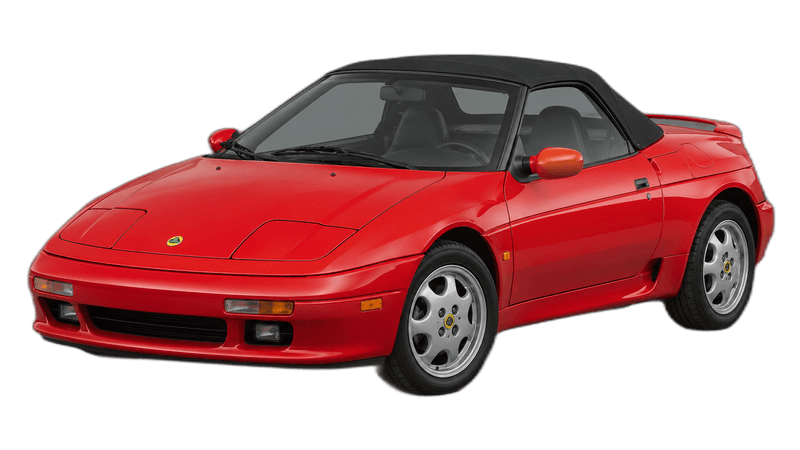
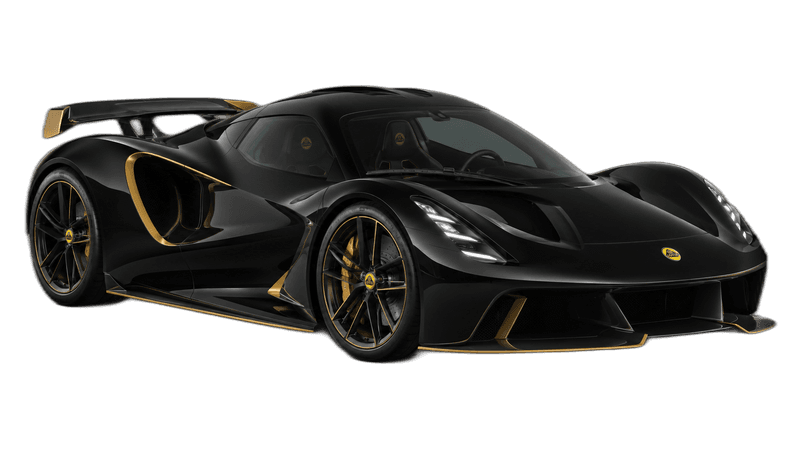
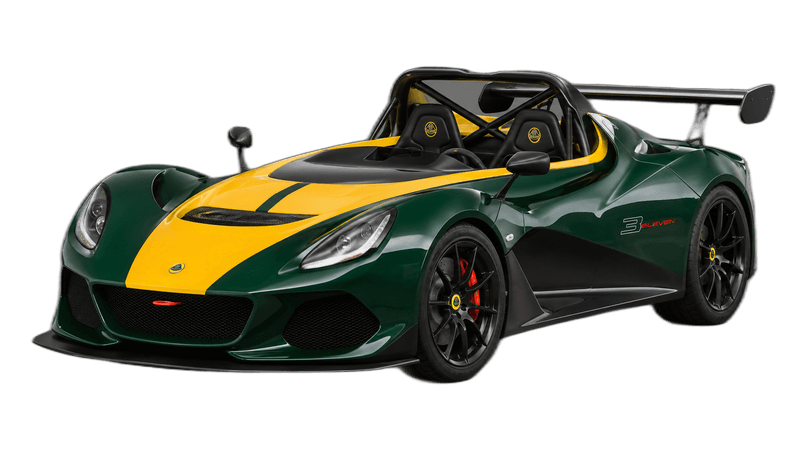
Destacado en Carpedia
Preguntas Frecuentes
What are the specifications of the Lotus Exige S2?
The Lotus Exige S2 is a 2-door coupe by Lotus, with 189 bhp, 187 Nm of torque, a 0-100 km/h time of 4.9 seconds and a top speed of 237 km/h. Indicative used value: approximately £35,000. Actual values vary with specification, condition and history.
How much does a Lotus Exige S2 cost?
Indicative used value: approximately £35,000. Actual values vary with specification, condition and history.
What drivetrain does the Lotus Exige S2 use?
The Lotus Exige S2 is configured with rear-wheel drive.
What type of car is the Lotus Exige S2?
The Lotus Exige S2 is a sports cars manufactured by Lotus in UK. Production ran from 2004 to 2011.