

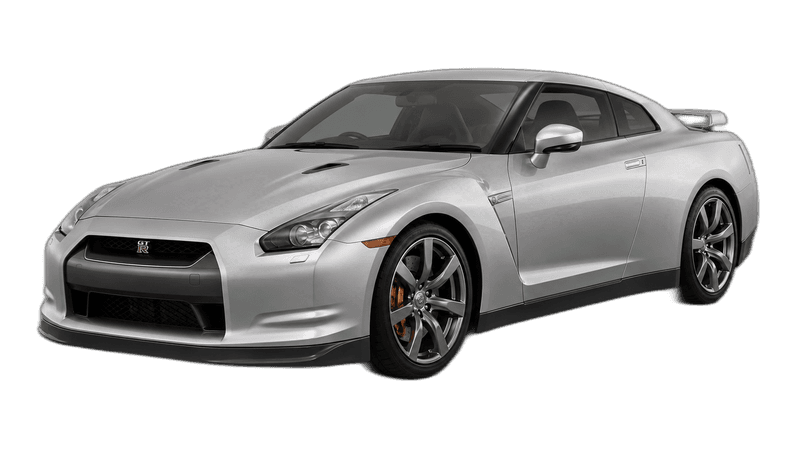
Nissan 370Z Nismo
£28,000
usedIndicative market price, updated periodically.
350bhp
Power
5.2s
0-100 km/h
249km/h
Top Speed
£28,000
Price Used
How hard it pulls.
Peak g-force the instant you bury the throttle, estimated from the car's 0–100 time and drivetrain.
Nissan 370Z NismoEstimated peak launch g from the 0–100 time and drivetrain: an honest approximation, not a measured figure.
The Nissan 370Z Nismo is a 2+2 seater fixed-head coupé by Nissan, with 350 bhp, 374 Nm of torque, a 0-100 km/h time of 5.2 seconds and a top speed of 249 km/h. Indicative used value: approximately £28,000. Actual values vary with specification, condition and history.
Dream Car Garage Editorial · Last updated 30 October 2026
Overview
We have not driven this car. This review is based on published specifications and the sources listed below.
The Nismo version sharpens the 370Z rather than reinventing it
The 370Z Nismo takes the standard Z's front-mid-engine, rear-wheel-drive layout and adds a more aggressive engine tune, chassis hardware and visual identity. Our catalogue uses the 2014–2020 high-output car: a 3696 cc VQ37VHR naturally aspirated V6 with 350 bhp, 374 Nm, 0 to 100 km/h in 5.2 seconds and a 249 km/h maximum, with rear-wheel drive. We have not driven this model for this article. This is a desk-researched ownership guide using Nissan's official 370Z materials, the PistonHeads 370Z used buying guide and the DVSA recall service. Their evidence should be turned into an inspection plan.
Nissan's 2018 press kit lists the NISMO version at 350 hp and 276 lb-ft, with an H-config exhaust and optimized engine control. PistonHeads notes that the UK 370Z Nismo arrived in August 2014 with 344 hp, improved aerodynamics and Recaro seats. The catalogue figure therefore needs market context. Treat 350 bhp as the high-output figure, then identify whether the car is a UK, European, Japanese or North American specification before comparing it with another car.
Verify the engine tune, clutch and driveline as one package
The Nismo's extra output does not remove the standard Z's service requirements. Ask for oil-change history, coolant service, spark-plug work and evidence of sensible warm-up and cool-down habits. PistonHeads describes the chain-driven V6 as tough, but a tuned or heavily used car still needs proof. Check for blue smoke, oil leaks, exhaust leaks and a clutch that engages cleanly. The 2018 update introduced an Exedy high-performance clutch on manual cars, so a recent replacement should be supported by paperwork and a test drive.
Manual gearbox selection should be smooth, with no persistent second-gear resistance or notchiness. On automatic cars, confirm stable low-speed behaviour and correct shift strategy. The Nismo's shorter final drive and viscous limited-slip differential are part of its character; they also make abuse more obvious. Listen for differential whine, wheel-bearing noise and driveline slack. If the car has been remapped or fitted with an aftermarket exhaust, intake or forced induction, ask who did the work and whether the cooling, clutch and calibration were upgraded to suit.
Chassis hardware and cosmetics must match the brief
Nissan's Nismo specification includes a tuned suspension, 19-inch forged wheels, larger brakes, Recaro seats and model-specific tyres. PistonHeads cautions that optional 19-inch wheels on the 370Z range can make the ride very stiff, and that front droplinks can clonk. The Nismo should feel controlled, but not loose or crashy. Inspect dampers, top mounts, bushes, ball joints, wheel bearings and steering components. A car with expensive Nismo badges and worn suspension is only halfway through its service life.
Brakes need measured attention. Check pad thickness, disc condition, caliper operation and tyre make and size consistency. The Nismo's wheels and body parts are desirable, so verify that panels are original or correctly repaired. Look for kerb damage, cracked splitters, mismatched paint and underbody scrapes. Because the Nismo has visual presence, cosmetic condition can dominate the advert. Keep the inspection order mechanical first, structural second and visual third.
Use the shared Z checks before paying the Nismo premium
The Nismo sits on the same basic 370Z architecture, so the standard Z checks remain relevant. PistonHeads recommends verifying service intervals, roof behaviour on roadsters where applicable, boot struts, SynchroRev Match on manuals and signs of track use. Those points do not disappear because the car has Recaro seats and a sharper map. Confirm the exact equipment level, model year and market with the VIN. Nissan's materials help identify factory hardware, while PistonHeads supplies the used-car inspection list.
The premium should buy more than decals. It should bring documented service, functioning chassis hardware, correct wheels and brakes, and a drivetrain that has not been punished by repeated hard launches or poor tuning. The DVSA recall service and Nissan campaign records should be checked before purchase. A modified Nismo can be valid, but only when the work is identifiable, reversible where sensible and supported by invoices.
Cooling and fuel evidence complete the mechanical picture
The Nismo's higher output makes supporting systems more important, not less. Ask for coolant service, thermostat and hose condition, oil-cooler fitment where fitted and evidence that the fuel system is standard or correctly upgraded. Inspect the exhaust for leaks and the engine bay for untidy wiring, universal clamps or removed heat shielding. A short test drive should show stable temperatures, clean boost response and no misfire under load. These checks matter because a sharp drivetrain can feel strong for ten minutes while still hiding neglected cooling, tired fuel components or a calibration that is too aggressive for the hardware.
Recaro seats and aero do not replace the Z checks
The Nismo's seats, wheels, body pieces and exhaust give it a distinct presentation, but they do not remove the normal 370Z inspection routine. A complete car should still have straight body panels, functioning roof and window equipment where applicable, stable engine temperatures, clean oil history and correct wheel hardware. Check that the Nismo-specific trim is present and undamaged, including the seats, gauges, wheels, tyres and lower body pieces. Replacement parts can be expensive, and visual shortcuts often show up as poor panel fit or mismatched fasteners. Treat the cabin and body as part of the mechanical file, not as a separate cosmetic exercise.
Buy the most honest Nismo, not the loudest one
The 370Z Nismo is at its best when it feels like a complete factory-tuned Z rather than a standard car with cosmetic aggression. Nissan gives the specification and context; PistonHeads gives the ownership checklist. Use both to test whether the premium is backed by hardware and records. This guide combines Nissan's historical specifications and the sources listed below. It assigns no exact production count to the Nismo derivative.
Specifications
Engine
3.7L (3696 cc) VQ37VHR naturally aspirated V6 petrol, Nismo high-output
Displacement
3.7L
Power
350 bhp
Torque
374 Nm
0-100 km/h
5.2s
Top Speed
249 km/h
Drivetrain
RWD
Country
Japan
Body Style
2+2 seater fixed-head coupé
Years
2014–2020
Price Used
£28,000
Specifications are manufacturer-published figures.
More from Nissan

Frequently Asked Questions
What are the specifications of the Nissan 370Z Nismo?
The Nissan 370Z Nismo is a 2+2 seater fixed-head coupé by Nissan, with 350 bhp, 374 Nm of torque, a 0-100 km/h time of 5.2 seconds and a top speed of 249 km/h. Indicative used value: approximately £28,000. Actual values vary with specification, condition and history.
How much does a Nissan 370Z Nismo cost?
Indicative used value: approximately £28,000. Actual values vary with specification, condition and history.
What drivetrain does the Nissan 370Z Nismo use?
The Nissan 370Z Nismo is configured with rear-wheel drive.
What type of car is the Nissan 370Z Nismo?
The Nissan 370Z Nismo is a sports cars manufactured by Nissan in Japan. Production ran from 2014 to 2020.