

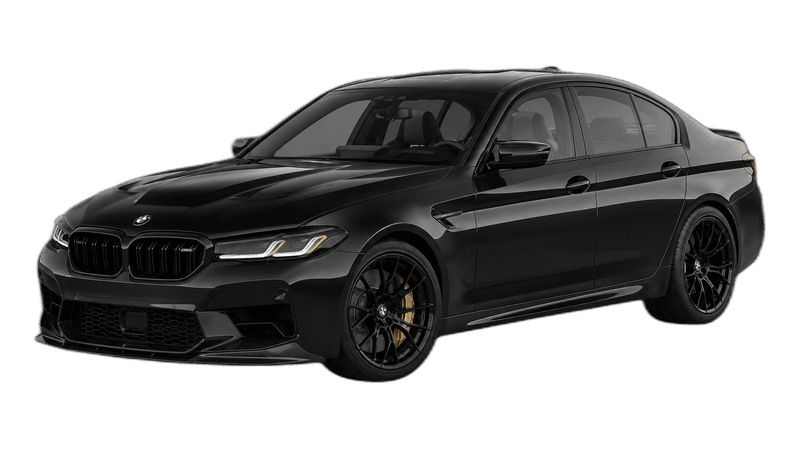
BMW M3 Touring (G81)
£85,000
usedIndicative market price, updated periodically.
503bhp
Power
3.6s
0-100 km/h
250km/h
Top Speed
£85,000
Price Used
How hard it pulls.
Peak g-force the instant you bury the throttle, estimated from the car's 0–100 time and drivetrain.
BMW M3 Touring (G81)Estimated peak launch g from the 0–100 time and drivetrain: an honest approximation, not a measured figure.
The BMW M3 Touring (G81) is a 5-door touring by BMW, with 503 bhp, 650 Nm of torque, a 0-100 km/h time of 3.6 seconds and a top speed of 250 km/h. Indicative used value: approximately £85,000. Actual values vary with specification, condition and history.
Dream Car Garage Editorial · Last updated 28 October 2026
Overview
We have not driven this car. This review is based on published specifications and the sources listed below.
The original 510 PS Touring
The first BMW M3 Touring uses a 2,993 cc twin-turbocharged inline-six producing 510 PS, approximately 503 bhp, and 650 Nm. Its eight-speed Steptronic transmission and M xDrive are standard. BMW quotes 3.6 seconds to 100 km/h and 250 km/h, with a higher limit available under the M Driver's Package. This guide concerns the original 2022 510 PS model, not the later 530 PS facelift.
We have not driven this model for this article. The sources are BMW's Touring announcement, the PistonHeads G80 M3 Competition guide and BMW's VIN recall service. The guide mainly addresses the saloon, although it says much of the material applies to other models. Use it as bounded G80 ownership context, not as evidence of a Touring-specific fault pattern. No production total is assigned.
Estate body and load-area inspection
The Touring's 500-litre luggage area, expanding to 1,510 litres with the rear seats folded, is central to its purpose. Inspect the rear seat mechanisms, load cover, luggage rails, trim and floor for damage and correct operation. Try the intended child seats, luggage or equipment rather than assuming the published volume describes every usable shape. Check the rear hatch, seals and load area for water marks.
The body is not simply a saloon with a different roofline. Inspect the tailgate, rear glass, roof rails and rear bumper for repairs and alignment. If a tow or carrier accessory is fitted, verify its installation and any wiring work. These are practical inspection prompts, not claims that the Touring has a general tailgate or water-leak defect.
Steptronic and xDrive are not rear-drive DCT
The eight-speed Steptronic is a torque-converter automatic, not a dual-clutch gearbox. M xDrive adds a transfer case and works with the Active M Differential. Have a specialist assess normal operation, diagnostic history and any leaks or previous repairs. Do not apply a rear-drive M3 checklist or an earlier DCT service assumption to this car.
Ask for software and fluid records and investigate any warning before it is cleared. The buying guide's driveline observations are generation-wide context, not proof of an individual fault. Repeated launches are not a useful viewing test. A structured inspection and a suitable specialist road assessment provide safer and more informative evidence.
Main-bearing bulletin and service file
The G80 guide discusses an October 2021 service information bulletin concerning main bearing shells on certain engines. The Touring followed later, so do not assume that the bulletin applies to this chassis. Ask a BMW specialist to establish which campaigns and technical actions are relevant and what evidence exists for the individual engine.
Dated annual-service invoices should cover oil, fluids, diagnostics, software and repairs. Regular use and consistent maintenance can be more informative than low mileage with long gaps. Historic service prices in the buying guide are not current quotations. Obtain written estimates for any recommended work and keep unresolved symptoms visible for diagnosis.
Adaptive chassis and mixed-size tyres
Inspect the adaptive dampers, springs, bushes and suspension mountings for leaks, noise and previous work. Compare tyre wear with an alignment report and the physical suspension condition. The Touring's load-carrying role makes it especially useful to ask how the car has been used, but heavy luggage or towing should not be treated as automatic evidence of damage.
Confirm the mixed-size wheel and tyre specification, dates and wear on all four corners. Inspect wheel repairs and compare any replacement tyres with the previous wear pattern. A correct geometry measurement is not established by a steering wheel that happens to point straight. Ask for alignment records after suspension or steering work.
Brakes and underbody
Identify the installed brake system from the car rather than assuming the CS's optional equipment or another M3's specification applies. Measure discs and pads, check fluid history and ask for inspections following demanding use. A clean disc surface or a low odometer cannot establish remaining service life. Current estimates are preferable to old article prices.
Inspect the front splitter, undertrays, rear bumper and suspension mounting areas for contact and poor repairs. Estate practicality does not remove the need to examine the underside. Record which trays were removed and which areas remained inaccessible. Any replacement panel should have a documented reason and repair method.
Cabin, touring equipment and electronics
Test the seats, rear bench, belts, windows, mirrors, climate control and infotainment. Demonstrate the powered tailgate, load-area equipment and any roof or carrier accessories fitted. Check for warning messages, battery support after storage and evidence of software updates. The G80 guide's electronic observations are prompts for this individual car, not a promise that its systems will fail.
Match the interior equipment and upholstery to the build record. Try rear access and headroom with the intended passengers and inspect the rear load area for wear that ordinary front-cabin photographs would miss. A polished driver's seat does not describe the condition of the whole Touring.
Recall and provenance checks
Use the full VIN in BMW's recall service and retain retailer confirmation of completed campaigns. Do not infer this Touring's status from a saloon's bulletin or another G80's recall. A clear result does not replace the service file or physical inspection.
Keep the service invoices, geometry reports and option record together so the next specialist can see which equipment was fitted and what has already been measured.
We have not driven this model for this article. No current price, investment assurance or universal reliability claim is offered, and production remains unset. The original 510 PS identity, xDrive hardware, estate-specific condition and complete service and campaign evidence are more useful than treating the Touring as either a novelty or a generic M3.
Specifications
Engine
3.0L (2993 cc) twin-turbo inline-six
Displacement
3.0L
Power
503 bhp
Torque
650 Nm
0-100 km/h
3.6s
Top Speed
250 km/h
Drivetrain
AWD
Country
Germany
Body Style
5-door touring
Years
2022–present
Price Used
£85,000
Specifications are manufacturer-published figures.
More from BMW

Frequently Asked Questions
What are the specifications of the BMW M3 Touring (G81)?
The BMW M3 Touring (G81) is a 5-door touring by BMW, with 503 bhp, 650 Nm of torque, a 0-100 km/h time of 3.6 seconds and a top speed of 250 km/h. Indicative used value: approximately £85,000. Actual values vary with specification, condition and history.
How much does a BMW M3 Touring (G81) cost?
Indicative used value: approximately £85,000. Actual values vary with specification, condition and history.
What drivetrain does the BMW M3 Touring (G81) use?
The BMW M3 Touring (G81) is configured with all-wheel drive.
What type of car is the BMW M3 Touring (G81)?
The BMW M3 Touring (G81) is a super saloons manufactured by BMW in Germany. Production started in 2022.