Pure driving machines ranked by the metrics that matter most
By Dream Car Garage Editorial
If the hypercar is about outright extremity and the supercar about aspirational performance, the sports car is about something more fundamental: the joy of driving. A great sports car does not need to be the fastest thing on the road. It needs to communicate, to reward, to make the driver feel connected to the tarmac beneath the wheels in a way that ordinary transport simply cannot replicate.
The sports car class is broader and more democratically spirited than the tiers above it. Here you will find American V8 muscle sitting alongside Porsche's forensically developed flat-sixes and Jaguar's supercharged thoroughbreds. What unites them is a commitment to driver engagement above all else — the sense that the car is a partner, not merely a vehicle.
Our 2026 ranking weighs power output, driving character, and the emotional response each car generates — the metrics that matter most when a sports car is the point.
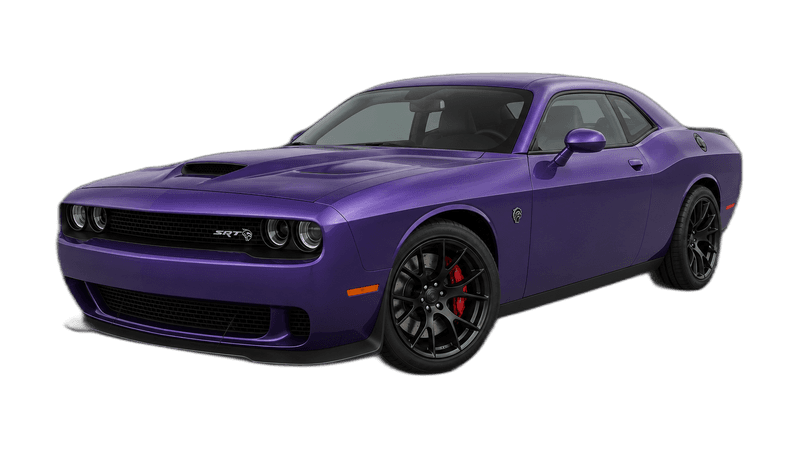
Few sports cars make an entrance quite like the Hellcat. Its 6.2-litre supercharged V8 delivers 717bhp with an operatic soundtrack and a rear-wheel-drive dynamic that rewards commitment and punishes complacency in equal measure.
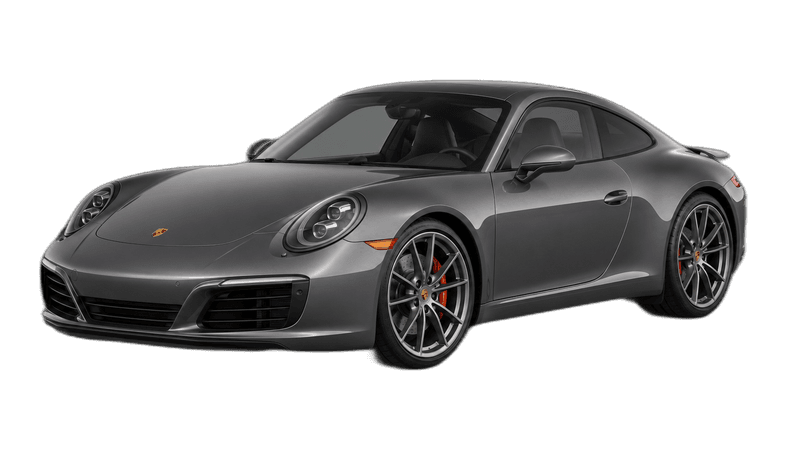
The 991.2 Carrera S represents the pinnacle of Porsche's turbocharged 911 development — 503bhp from a 3.0-litre flat-six, with a chassis so well resolved that finding its limits requires a racetrack and genuine skill.
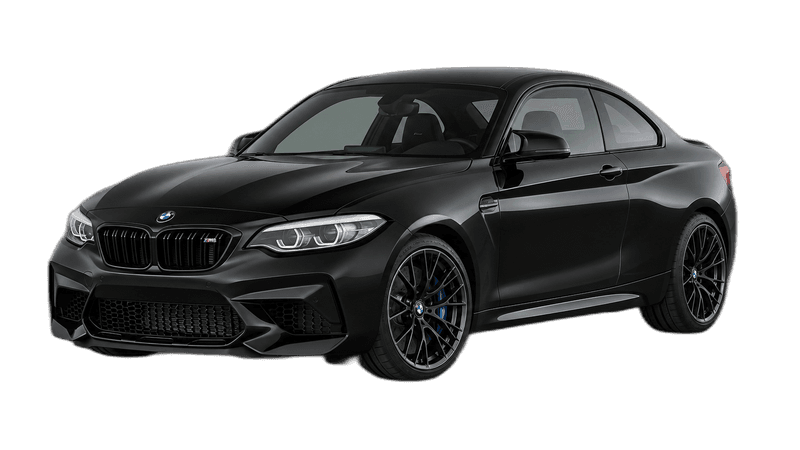
The F87 M2 Competition is BMW M's last great analogue sports car — 523bhp, rear-wheel drive, a six-speed manual option, and a chassis balance that recalls the celebrated E46 M3. A car that improves with every subsequent drive.
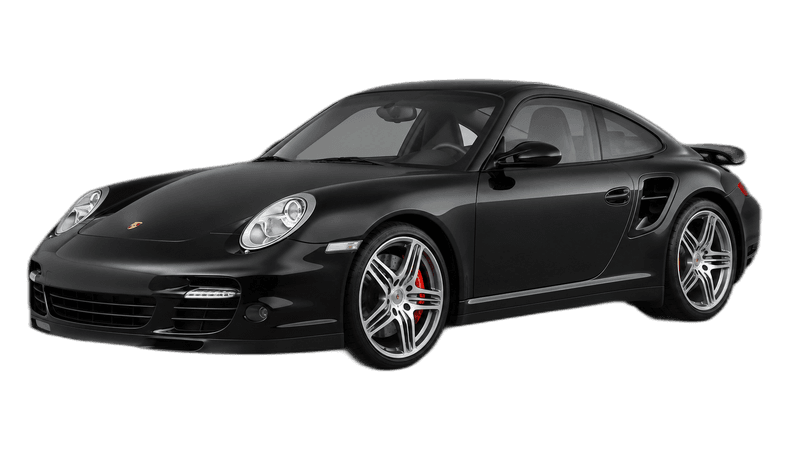
The 997 Turbo established the template for the modern all-weather supercar — AWD traction, 503bhp, and a ride quality that makes it as usable in January as in July. Its manual gearbox option now reads as a precious artefact.
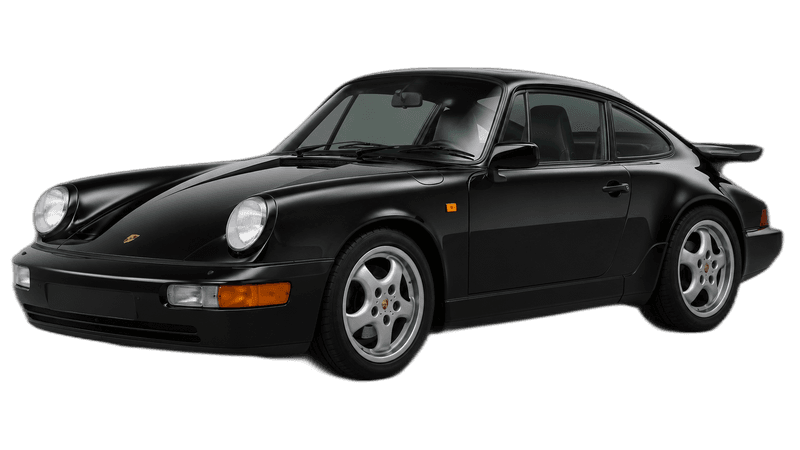
The 964 marked Porsche's transition to the modern 911 era, retaining air-cooled purity while introducing power steering and ABS. At 503bhp in its most potent form, it remains one of the most sought-after classic sports cars on the market.
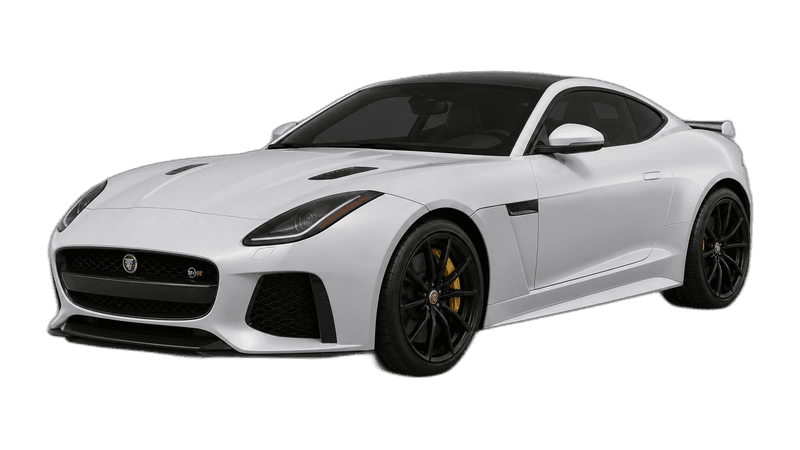
The SVR takes Jaguar's already compelling supercar formula and adds a titanium exhaust, carbonfibre aero, and 200 km/h open-air capability via its retractable hood. The result is the F-Type at its most focused and its most theatrical.
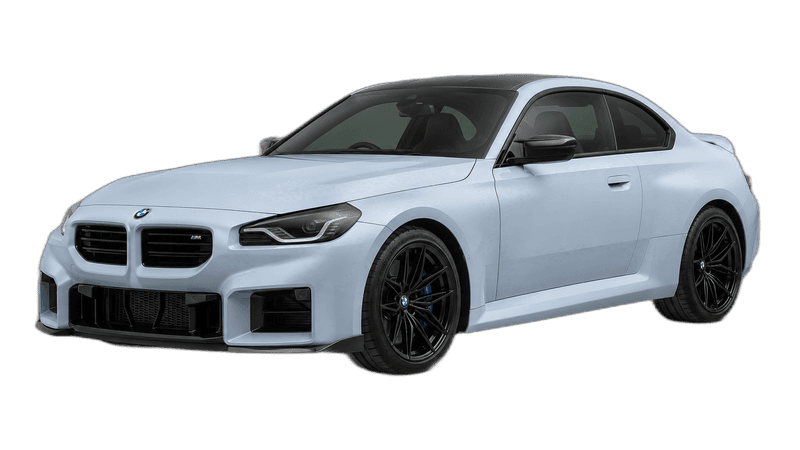
The G87 generation M2 is more powerful and more planted than its predecessor, deploying 523bhp through a revised chassis that keeps the M2's trademark accessibility while sharpening its responses for those who seek the limit.
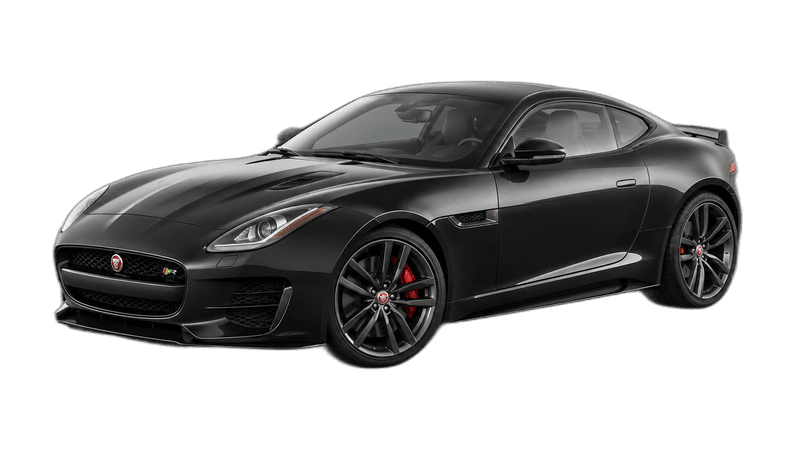
The F-Type R is arguably the most beautiful sports car of its generation, and the supercharged 5.0-litre V8 provides 567bhp of muscle to match. AWD traction means the power is always accessible; the drama is always present.
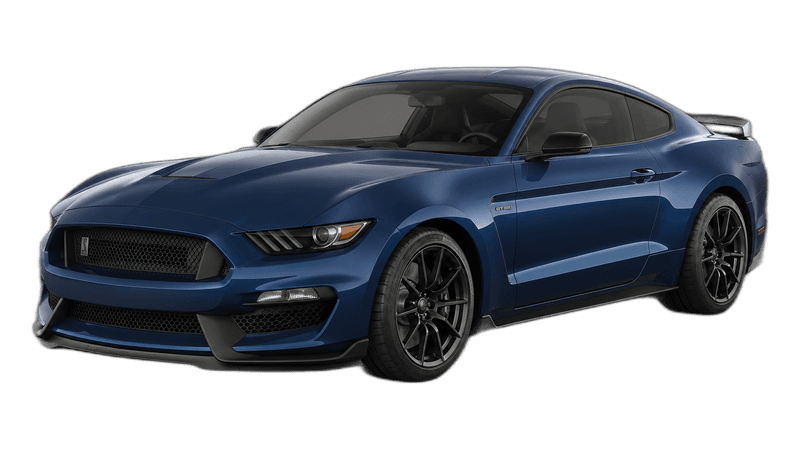
The GT350's flat-plane crank 5.2-litre V8 revs to 8,250 rpm and produces a sound that has no right to exist in a production Ford. At 526bhp it is the driver's Mustang — a sports car as much as a muscle car.
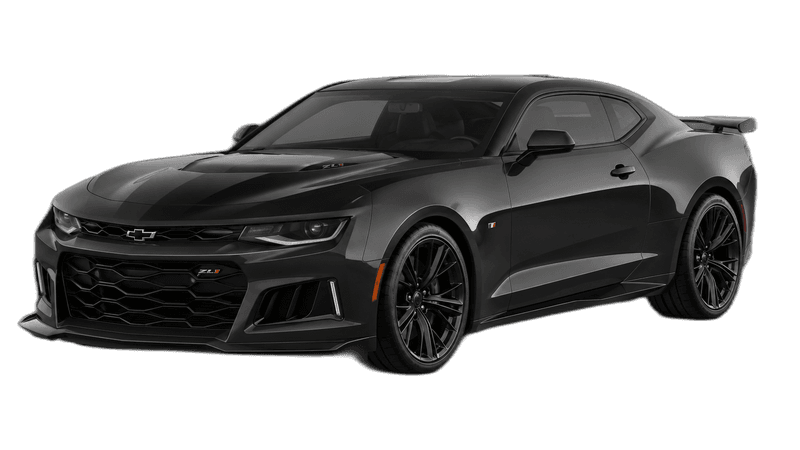
The ZL1 takes the Camaro's compact proportions and inserts a supercharged 6.2-litre V8 producing 650bhp. The result is a sports car with a broad power band, a magnetic ride control system of genuine sophistication, and genuine track credentials.
The sports car of 2026 exists at a crossroads: some manufacturers have embraced electrification while others defend the analogue flame with increasing fervour. Both approaches produce extraordinary results. The ten cars here represent the finest of both philosophies, each one a compelling reason to take the long way home.