
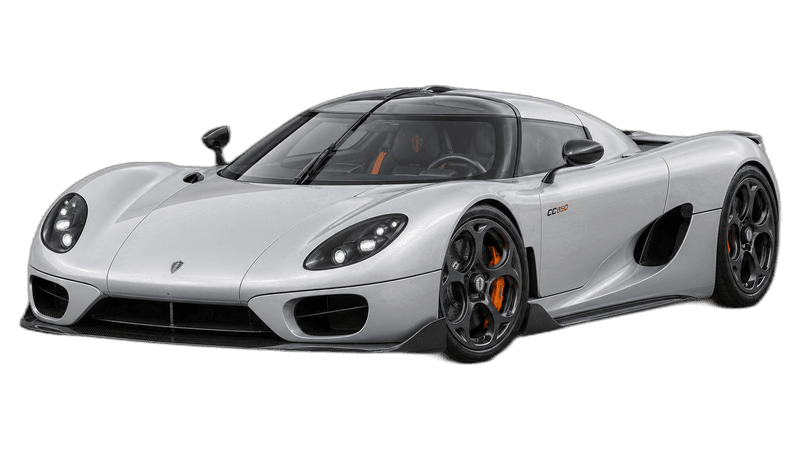
Koenigsegg CC850
1385bhp
Power
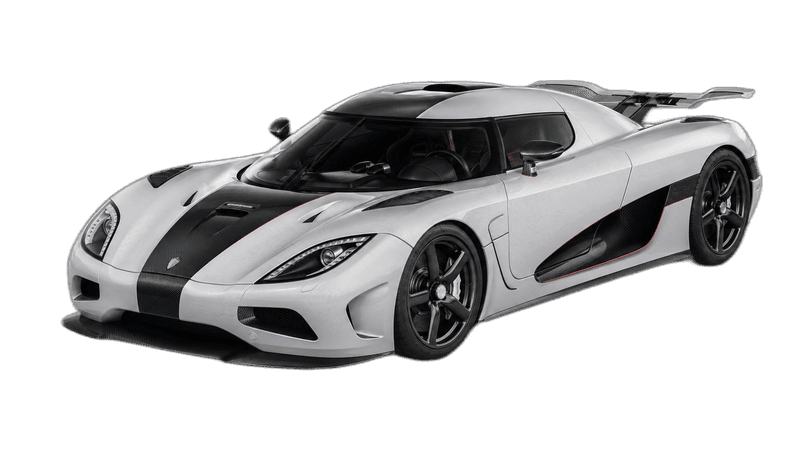
The Koenigsegg CC850 is a 2-door targa top by Koenigsegg, with 1385 bhp and 1385 Nm of torque.
Dream Car Garage Editorial · Last updated 28 October 2026
Overview
We have not driven this car. This review is based on published specifications and the sources listed below.
A 70-car tribute to the CC8S
The CC850 is Koenigsegg's tribute to the CC8S, the car that established the company as a series producer. It was built in a limited run of 70 cars. The engine is a 5.0-litre twin-turbo V8 producing 1385 PS on E85, about 1366 bhp, and 1385 Nm at 4800 rpm. The curb weight is 1385 kg, giving a one-to-one ratio in metric horsepower per kilogram.
This is a desk-researched ownership guide. We have not driven this model for this article. The CC850 is a low-volume car with a short public history, so the guide concentrates on the unusual transmission, the fuel system, the carbon structure and the documentation that supports the car's identity.
The Engage Shift System
The CC850's defining feature is the Engage Shift System. It provides a gated six-speed manual with a clutch pedal and a nine-speed automatic in the same transmission. The driver can choose between them. This is not a conventional dual-clutch gearbox with a manual mode. It is a mechanical arrangement that allows both experiences.
That complexity makes calibration and service history important. Ask who has serviced the gearbox, whether the clutch has been inspected and whether the software is up to date. Drive the car in both modes if the seller permits. The manual mode should engage cleanly, and the automatic should shift without harshness or hesitation. Any warning or inconsistent behaviour needs factory-level diagnosis.
Do not assume that a low-mileage car has a healthy clutch or gearbox. A car that has been demonstrated repeatedly may have more wear than the odometer suggests. Ask for a diagnostic report and a written description of any work.
The V8 and the E85 fuel system
The 5.0-litre V8 is twin-turbocharged and produces 1385 PS on E85, about 1366 bhp. It also runs on petrol with a lower output. The fuel system, injectors, pumps and sensors are designed for flexible fuel operation. Ask which fuel the car has been run on and whether the system has been serviced accordingly.
E85 can attract moisture and degrade if stored for long periods. A car that has been sitting with a partial tank may need fresh fuel, filter work and a diagnostic check. Ask about the fuel system's condition and any replacement parts. A cold start and a warm running check are essential.
The engine should be inspected for oil leaks, coolant stains and boost issues. Listen for abnormal noise from the turbochargers and the valvetrain. Ask for the service invoices and confirm that the correct oil and filters have been used.
Carbon monocoque and chassis
The CC850 uses a carbon-fibre monocoque and a lightweight chassis. Inspect the structure for cracks, delamination and repair marks. A low-speed impact can damage the tub without obvious bodywork deformation. Ask for a lift inspection and photographs of the suspension mounting points.
The suspension uses double wishbones and adaptive dampers. Check for leaks, play and uneven tyre wear. A four-wheel alignment report is useful. The car sits low, so inspect the front splitter and underbody for contact damage.
Brakes, wheels and tyres
The CC850 uses carbon-ceramic brakes and model-specific wheels and tyres. Measure the discs and pads, check the fluid history and inspect the calipers for heat damage. Confirm the tyre specification and check the date codes. A car with old tyres should not be driven hard until they are replaced.
Cabin and equipment
The cabin has an analogue chronocluster and a driver-focused layout. Check the instruments, the screens, the climate control and the audio. Confirm that the trim and the build number match the factory record. The CC850 is highly configurable, so the original specification should be documented.
The roof and door operation should be demonstrated. Check the seals and the latches. A leak or a misaligned panel can be expensive to correct on a low-volume car.
Living with the CC850
The CC850 is a low-volume car with a specialised service network. Ask who will maintain it, where the nearest approved specialist is and how long parts take to arrive. A car that is serviced by the factory or a recognised Koenigsegg specialist is easier to own than one that has been maintained locally without the correct equipment.
The driving position is low, and visibility is limited. Sit in the car and adjust the seat and pedals before assuming it will suit every journey. The clutch in manual mode has a mechanical feel, and the gated shift requires deliberate inputs. A test drive should include traffic and a smooth road, not just a short burst of acceleration.
Fuel quality and storage matter. E85 should be fresh, and a car that has been stored with a partial tank may need the fuel system checked. Ask about the battery maintainer, the tyre storage and the insurance arrangements. These practical details are as important as the specification.
Provenance and factory support
Confirm the VIN, the build number, the delivery specification and the service history. Koenigsegg's production is small, and the factory can provide documentation for a genuine car. Ask whether the car has been repaired, repainted or modified, and whether the work was carried out by Koenigsegg or an approved specialist.
The 70-car production run is part of the car's identity. A CC850 should be bought on specification, condition and support, not on a prediction about scarcity. Confirm the warranty, the service intervals and the availability of consumables before purchase.
Inspection and ownership planning
Use a Koenigsegg specialist or the factory. The inspection should cover the engine, the fuel system, the transmission, the clutch, the carbon structure, the suspension, the brakes, the tyres and the electrical systems. Ask for a cold start, a diagnostic scan and a written report.
Storage should be controlled, with a battery maintainer and a plan for exercising the car. Insurance and transport should be arranged before delivery. A car of this type is not suited to a general-purpose workshop.
Sources and limitations
Koenigsegg's official CC850 model page and technical specification page supply the engine, transmission and production information, while the press release provides additional context. The guide makes no claim about transaction prices, future values or reliability. A factory-trained inspection and a documented provenance check remain necessary.
Specifications
Engine
5.0 L twin-turbocharged V8
Power
1385 bhp
Torque
1385 Nm
Drivetrain
RWD
Country
Sweden
Body Style
2-door targa top
Years
2022–present
Production
70
Specifications are manufacturer-published figures.
More from Koenigsegg


Frequently Asked Questions
What are the specifications of the Koenigsegg CC850?
The Koenigsegg CC850 is a 2-door targa top by Koenigsegg, with 1385 bhp and 1385 Nm of torque.
How many Koenigsegg CC850 were made?
Koenigsegg produced 70 units of the Koenigsegg CC850.
What drivetrain does the Koenigsegg CC850 use?
The Koenigsegg CC850 is configured with rear-wheel drive.
What type of car is the Koenigsegg CC850?
The Koenigsegg CC850 is a hypercars manufactured by Koenigsegg in Sweden. Production started in 2022.