

Ferrari 458 Speciale
£310,000
usedIndicative market price, updated periodically.
597bhp
Power
3s
0-100 km/h
325km/h
Top Speed
£310,000
Price Used
How hard it pulls.
Peak g-force the instant you bury the throttle, estimated from the car's 0–100 time and drivetrain.
Ferrari 458 SpecialeEstimated peak launch g from the 0–100 time and drivetrain: an honest approximation, not a measured figure.
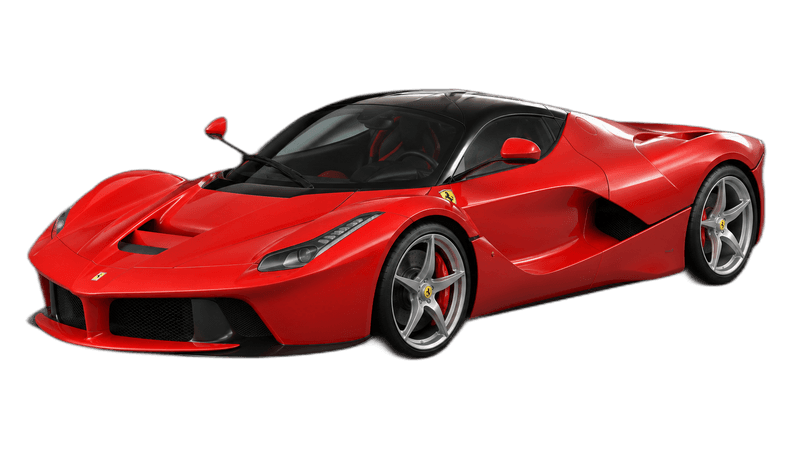
The Ferrari 458 Speciale is a 2-door coupe by Ferrari, with 597 bhp, 540 Nm of torque, a 0-100 km/h time of 3 seconds and a top speed of 325 km/h. Indicative used value: approximately £310,000. Actual values vary with specification, condition and history.
Dream Car Garage Editorial · Last updated 27 October 2026
Overview
We have not driven this car. This review is based on published specifications and the sources listed below.
The final naturally aspirated 458 development
The 458 Speciale arrived in 2013 with a 4.5-litre naturally aspirated V8 producing 605 PS, about 597 bhp, and 540 Nm. Ferrari quoted 0-100 km/h in 3.0 seconds and a maximum speed above 325 km/h. A seven-speed dual-clutch transmission, active aerodynamics and Side Slip Angle Control distinguish it from the standard 458 Italia. Ferrari did not publish a total production figure for this catalogue identity.
This is a desk-researched ownership guide. We have not driven this model for this article. The inspection should establish the car's identity, service coverage and present condition rather than treating the Speciale badge as a substitute for evidence. A low odometer reading does not answer questions about gearbox history, brake wear or storage.
Engine, exhaust and gearbox evidence
The V8 and dual-clutch gearbox need a cold-start observation followed by a warmed-up assessment. The PistonHeads 458 guide describes gearbox concerns involving clutch-position sensors, software and speed sensors across the family. That does not make every harsh shift a failure. It does mean that unusual engagement, warnings or inconsistent shifts should be diagnosed with Ferrari-level equipment rather than hidden by clearing codes.
Ask for invoices for gearbox work, software updates and any replacement sensors. Review them alongside the service schedule. Collecting Cars also recommends investigating exhaust-manifold condition: a cold-start tick or white residue can justify closer inspection, and an upgraded manifold should be documented. Oil, coolant and visible hoses remain basic checks even on a car with full dealer history.
Early 458 recall work should be verified by VIN, not assumed to apply to every Speciale. The same applies to airbag campaigns. A specialist can confirm which actions were relevant to this chassis and whether the records show completion.
Geometry, dampers and the active chassis
Speciale chassis changes were intended to work with its aero and electronic controls. The buyer therefore needs more than a visual inspection. PistonHeads notes that geometry can contribute to inner-edge tyre wear, while Collecting Cars identifies MagneRide damper weep as an inspection point. Check all four tyres for age, specification and uneven wear, then compare those observations with a measured geometry report.
A damper that looks dry in a photograph still needs a physical assessment. The inspector should examine the suspension, underbody and aero components for contact or poor repairs. Front lift was useful equipment on a low car, so confirm whether it is fitted and test it for hesitation or abnormal pump noise. Do not treat a warning-free dashboard as proof that the suspension and electronic systems are healthy.
Carbon-ceramic brakes and wheels
Carbon-ceramic discs can look impressive while still requiring measurement. Collecting Cars recommends visual inspection and weighing by a technician. Ask for the results rather than relying on a seller's statement that the discs are fine. Pads, fluid, hoses and the handbrake mechanism belong in the same assessment.
Inspect the forged wheels for cracks, poor repairs and tyre fitment. A car used on circuit may have a different consumable history from one used only on the road, but neither use pattern removes the need for evidence. Check the undertray and visible aero surfaces for damage, and make sure any replacement wheels or tyres retain the correct specification.
Cabin condition and delivered specification
The 458-family cabin can show sticky soft-touch switchgear, rippled or sun-shrunk dashboard leather, loose headlining and rattles. Operate the controls and inspect the trim in daylight. Electrical warnings, fuel-sender behaviour and screen operation should be tested rather than dismissed as age-related character.
Carbon racing seats can be restrictive and may offer less adjustment than comfort-oriented seats. Seat choice should be assessed by sitting in the car, not just from an option list. Stripe finishes and Tailor Made equipment need supporting documentation. A car with unusual paint, upholstery or carbon components should have those choices linked to its build record.
Service coverage also needs a date check. Ferrari's seven-year service package and later warranty or inspection products have different implications, and expired coverage should not be described as active protection.
Service invoices should also show when the car was used. Long gaps need an explanation, particularly if they coincide with storage, transport or a change of keeper. Ask whether fluids were replaced on schedule and whether the battery was maintained. A recently serviced car is not necessarily a well-understood car; the invoice should identify measurements, parts and the technician's findings. If the seller cannot produce that detail, the independent inspection becomes more important, not less.
Inspection scope before purchase
A Ferrari specialist should inspect the car with access to the underbody, diagnostic records and service file. The report should separate measured condition from seller commentary and identify any area that could not be examined. Ask how the car was stored, whether it was used regularly and what work was performed before sale.
Production numbers should not be invented to make a car sound rarer. The documented figure in the official sources concerns the 458 Speciale A, not this coupe. For the Speciale coupe, the useful evidence is the individual chassis record, equipment, maintenance and current condition.
How this review was compiled
We have not driven this model for this article. Ferrari's official model page supplies the engine, performance and control-system identity. The PistonHeads 458 buying guide and the Collecting Cars 458 guide provide the inspection topics. This guide makes no claim about transaction prices, future value or a universal failure pattern. A VIN-based campaign check and independent Ferrari inspection remain necessary.
Specifications
Engine
4.5L (4497 cc) naturally aspirated V8
Displacement
4.5L
Power
597 bhp
Torque
540 Nm
0-100 km/h
3s
Top Speed
325 km/h
Drivetrain
RWD
Country
Italy
Body Style
2-door coupe
Years
2013–2015
Price Used
£310,000
Specifications are manufacturer-published figures.
More from Ferrari

Frequently Asked Questions
What are the specifications of the Ferrari 458 Speciale?
The Ferrari 458 Speciale is a 2-door coupe by Ferrari, with 597 bhp, 540 Nm of torque, a 0-100 km/h time of 3 seconds and a top speed of 325 km/h. Indicative used value: approximately £310,000. Actual values vary with specification, condition and history.
How much does a Ferrari 458 Speciale cost?
Indicative used value: approximately £310,000. Actual values vary with specification, condition and history.
What drivetrain does the Ferrari 458 Speciale use?
The Ferrari 458 Speciale is configured with rear-wheel drive.
What type of car is the Ferrari 458 Speciale?
The Ferrari 458 Speciale is a supercars manufactured by Ferrari in Italy. Production ran from 2013 to 2015.