

BMW M5 (E60)
£25,000
usedIndicative market price, updated periodically.
500bhp
Power
4.7s
0-100 km/h
250km/h
Top Speed
£25,000
Price Used
How hard it pulls.
Peak g-force the instant you bury the throttle, estimated from the car's 0–100 time and drivetrain.
BMW M5 (E60)Estimated peak launch g from the 0–100 time and drivetrain: an honest approximation, not a measured figure.
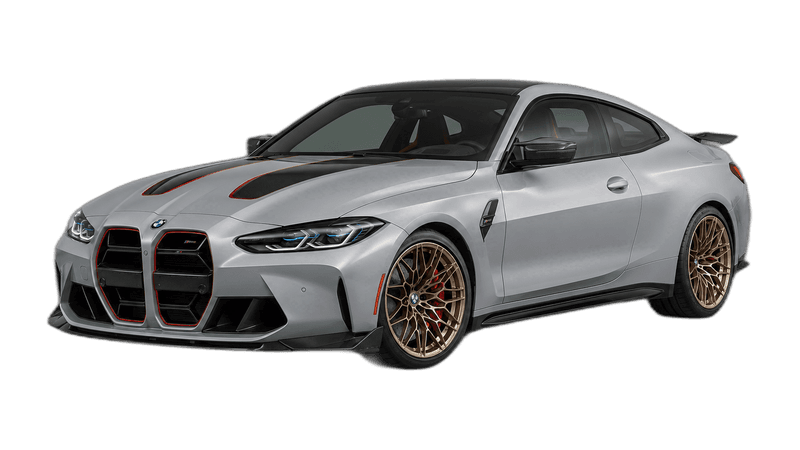
The BMW M5 (E60) is a 4-door saloon by BMW, producing 500 bhp, and 520 Nm of torque, with a 0-100 km/h time of 4.7 seconds, and a top speed of 250 km/h, Valued at approximately £25,000.
Dream Car Garage Editorial · Last updated 24 October 2026
Overview
We have not driven this car. This review is based on published specifications, owner reports and market listings.
The body code matters
The E60 M5 is a four-door saloon powered by the naturally aspirated S85 V10. The related five-door estate is the E61 M5 Touring, not another body description for an E60. Establish the actual vehicle before applying advice or comparing values. Both belong to a different engineering era from the E39 V8 and later turbocharged M5s.
This is a desk-researched guide. We have not driven this model for this article. The engine and transmission explain why the car attracts interest, but published descriptions of its sound and response are not our test observations. A prospective purchase still needs to be assessed as a complete ageing saloon with complex mechanical and electrical systems.
Understand SMG before the test drive
The usual transmission is the seven-speed SMG automated single-clutch manual. It is not a dual-clutch gearbox or a conventional automatic. A factory six-speed manual was offered in North America; a manual example elsewhere therefore needs its original-market or conversion history established. A gear lever alone does not prove how it left the factory.
Have someone familiar with SMG assess its operation cold and warm, including manoeuvring, reverse and normal acceleration. Some operating characteristics differ from a modern automatic, but that is not a reason to ignore warnings or severe engagement problems. Investigate the clutch, hydraulic system and recorded faults rather than diagnosing every symptom as a failed pump.
S85 inspection without false certainty
Rod-bearing condition and throttle-actuator history are important subjects in published buying advice. Ask a specialist to explain what the records and proposed tests can establish. A quiet cold start is not a reliable certification of internal bearing health. Equally, one invoice for preventive work cannot guarantee the rest of the engine or eliminate future repair risk.
Review oil-service history, cooling, leaks, operating faults and any engine repair in detail. A specialist should distinguish current diagnosis from elective preventive work and explain the uncertainty behind recommendations. This guide does not prescribe one mileage interval for replacement bearings or assert that every car becomes dependable after a fixed list of jobs.
Records should define the work
Ask who completed claimed rebuilds or replacements, at what mileage and using which parts. An invoice saying engine work is less informative than a detailed account of diagnosis and scope. Clarify whether throttle actuators were replaced, repaired or merely tested, and whether any continuing fault was investigated. Similar wording can conceal very different levels of work.
Maintenance should cover the transmission and driveline as well as the V10. Inspect differential, mounts, cooling components and relevant fluid work. Ask how previous use was managed if the car attended track events. A low road mileage does not rule out demanding sessions or extended storage, and neither use pattern removes time-related maintenance requirements.
Chassis and body condition
Inspect corrosion, accident repairs, suspension mounting areas, wheels, tyres and brakes. Assess the actual damper and suspension equipment fitted, including operation of adjustable settings where present. Uneven wear, poor tracking or vibration deserves diagnosis. It should not be dismissed as the unavoidable character of an old high-performance saloon.
Check structural repairs and alignment with supporting documents. A clean exterior and comfortable short drive do not establish that a car has avoided significant damage. If repainting or replacement panels are recorded, ask what happened and how the underlying structure was assessed. Cosmetic condition should inform the decision without replacing the mechanical inspection.
Electronics and family usability
Demonstrate iDrive, climate control, navigation hardware, windows, locks, seats and any head-up display fitted. Check for cabin or boot moisture and investigate evidence of electrical repairs. A working screen at startup does not establish that every menu, controller or audio function is healthy. Test the features that will matter on ordinary journeys.
Try the rear seats, luggage space and driving position with the intended users. If an E61 Touring is actually required for carrying equipment, do not buy a saloon on the assumption that all M5s provide the same access. The practical body is part of the appeal, but vehicle size, fuel use and repair logistics still need to suit daily life.
Budget from inspection findings
There is no current workshop-quotation survey here supporting a universal service cost or annual bill. Obtain separate estimates for maintenance due now, diagnosed faults and preventive options. Include tyres, fuel, insurance, storage and transport if the car cannot be driven. A low asking price can be outweighed by one substantial unresolved mechanical problem.
Establish a relationship with a workshop equipped for the S85 and SMG rather than relying on general BMW familiarity. Ask about parts access, diagnostic procedures and responsibility for coordinating repairs. Warranty cover, if offered, needs written scrutiny of exclusions, labour limits and claim authorisation. It should not be treated as a substitute for inspection or a guarantee that every major repair will be paid.
Market perspective and alternatives
This article does not establish strengthening prices, a resale floor or the financial benefit of holding a V10 car. Compare like-for-like body, transmission, specification and history, distinguishing advertisements from transactions. Collector interest and engineering significance can coexist with high ownership costs and a limited buyer pool. A dated independent valuation is preferable to a generic appreciation claim.
The E39 offers a manual V8 layout, while the F10 adopts turbocharging and a different transmission. Neither is automatically a cheaper or more reliable answer. The E60 suits an owner specifically interested in the V10 saloon and prepared to fund diagnosis and upkeep without needing a prediction that rarity will recover the expenditure.
How this review was compiled
Published model history and buying advice inform these checks. No test drive, current cost survey or measured failure-rate study was undertaken. The references are further reading, not certification of a vehicle. An independent specialist should explain the actual condition and the limits of any proposed assessment before purchase.
Specifications
Engine
5.0L S85 V10 petrol
Displacement
5.0L
Power
500 bhp
Torque
520 Nm
0-100 km/h
4.7s
Top Speed
250 km/h
Drivetrain
RWD
Country
Germany
Body Style
4-door saloon
Years
2004–2010
Production
1,984
Price Used
£25,000
Specifications are manufacturer-published figures.
More from BMW




Featured in Carpedia
Best Super Saloons 2026
From the 797bhp Dodge Charger Hellcat Redeye to Audi's RS6 Avant, these are the ten super saloons of 2026 that prove practicality and performance are not mutually exclusive.
What Cars Should I Put in My Dream Garage?
A comprehensive guide to building a dream garage at every budget. Five balanced 5-car garages, from under GBP 100K total to unlimited, each covering daily driving, weekends, track days, road trips, and special occasions.
Dream Car Garage on a Budget: 5-Car Builds Under 500K
Four complete 5-car dream garage builds, each totalling under GBP 500,000. From track-day weapons to Italian thoroughbreds, every build uses real market prices and delivers genuine variety.
How Much Does a Dream Car Garage Cost?
A data-driven analysis of dream car costs using verified pricing from 600 performance and luxury cars. From the GBP 6,000 Mazda MX-5 NB to the GBP 6,000,000 Porsche 911 GT1, with price distributions, value picks, and hidden cost breakdowns.
Frequently Asked Questions
What are the specifications of the BMW M5 (E60)?
The BMW M5 (E60) is a 4-door saloon by BMW, producing 500 bhp, and 520 Nm of torque, with a 0-100 km/h time of 4.7 seconds, and a top speed of 250 km/h, Valued at approximately £25,000.
How much does a BMW M5 (E60) cost?
The BMW M5 (E60) has a used market value of approximately £25,000.
How many BMW M5 (E60) were made?
BMW produced 1,984 units of the BMW M5 (E60).
Is the BMW M5 (E60) AWD or RWD?
The BMW M5 (E60) uses a RWD drivetrain configuration in a 4-door saloon body style.
What type of car is the BMW M5 (E60)?
The BMW M5 (E60) is a super saloons manufactured by BMW in Germany. Production ran from 2004 to 2010.