
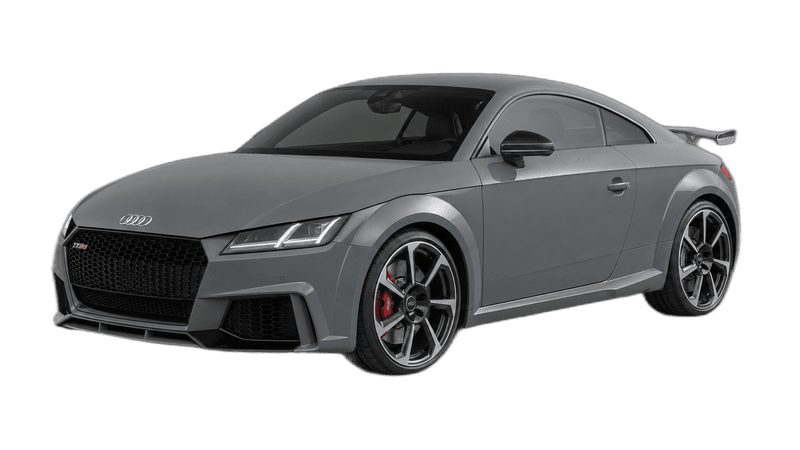
Audi TT RS (8S)
£42,000
usedIndicative market price, updated periodically.
394bhp
Power
3.7s
0-100 km/h
250km/h
Top Speed
£42,000
Price Used
How hard it pulls.
Peak g-force the instant you bury the throttle, estimated from the car's 0–100 time and drivetrain.
Audi TT RS (8S)Estimated peak launch g from the 0–100 time and drivetrain: an honest approximation, not a measured figure.
The Audi TT RS (8S) is a 2-door coupe by Audi, with 394 bhp, 480 Nm of torque, a 0-100 km/h time of 3.7 seconds and a top speed of 250 km/h. Indicative used value: approximately £42,000. Actual values vary with specification, condition and history.
Dream Car Garage Editorial · Last updated 31 October 2026
Overview
We have not driven this car. This review is based on published specifications and the sources listed below.
A lighter, sharper five-cylinder TT
The Audi TT RS 8S took the five-cylinder formula and wrapped it in a lighter, stiffer third-generation TT. Our catalogue covers the 2017 to 2022 phase with a 2.5L turbocharged inline-5, 394 bhp, 480 Nm, 0 to 100 km/h in 3.7 seconds and a 250 km/h maximum, driving all four wheels. We have not driven this model for this article. This is a desk-researched ownership guide using Audi's own TT anniversary press material, the PistonHeads TT RS 8S used buying guide and the DVSA recall service. The 8S is quicker and more usable than the 8J, but it is also a complex modern performance car with its own electronic and driveline checks.
Audi's press release records that the 2016 TT RS used a 2.5 five-cylinder engine with 400 PS, and that the engine had won the International Engine of the Year award nine times. Our catalogue lists 394 bhp, which is the same output converted from metric horsepower. The 8S engine is 26 kg lighter than its predecessor, and the whole car is around 35 kg lighter than the 8J. That weight saving, combined with a seven-speed S tronic gearbox and Haldex all-wheel drive, gives the car a sharper, more immediate feel than the older model. The trade-off is that the gearbox is the only option, so its condition matters.
WLTP and the 2019 calibration change
The 8S was launched before the WLTP emissions regime and updated in 2019 to meet it. PistonHeads reports that the update softened the calibration and added a particulate filter, while keeping the power output unchanged. Some owners notice a slightly less aggressive exhaust note and a more measured throttle response on later cars. That is not a defect, but it is a reason to drive both an early and a late car if you care about character. It also means that software updates and recall work should be checked carefully on a 2019 or later example.
The WLTP change is a useful reminder that the 8S is a modern, software-heavy car. Ask whether the engine and gearbox control units have been updated, and whether any aftermarket tune has been applied. A reputable tune will come with a supporting file and a warranty, while an anonymous flash can void coverage and upset the emissions equipment. A diagnostic scan should be part of any pre-purchase inspection, and the seller should be able to explain every modification.
S tronic and Haldex
The seven-speed S tronic is quick and well matched to the engine, but it needs clean oil and a healthy mechatronic unit. PistonHeads notes that gearbox oil misting is the main mechanical issue reported on the 8S, and that it is usually a seal rather than a catastrophic failure. Look for oil residue around the bellhousing and the underside of the gearbox, and ask whether the oil and filter have been changed. A jerky crawl or a delayed engagement from cold is worth investigating before it becomes a repair.
The Haldex all-wheel-drive system needs servicing to the correct schedule. Ask when its oil was last changed and whether the pump screen was inspected where appropriate; do not assume there is a separately replaceable filter on every generation. Unexplained traction problems need diagnosis rather than an automatic pump replacement. Have the rear differential and driveshafts checked for leaks and noises too. Request itemised invoices identifying which fluids and assemblies were serviced, because an engine oil-change stamp does not demonstrate that the all-wheel-drive system received attention.
Brakes and the Dynamic Pack
The 8S uses large steel brakes as standard, with carbon ceramics available. PistonHeads reports squeal when cold, which needs to be distinguished from wear or damage. Its quoted parts prices are historical, so obtain a current quotation for the actual brake specification rather than treating those figures as today's budget. Measure the discs, check pad life and inspect the calipers. A car that has been used on track may have heat damage even if the pads look healthy. A ceramic setup needs specialist assessment, not just a glance through the wheel spokes.
The optional Dynamic Pack added a sports exhaust and magnetic ride, and the Dynamic Pack Plus raised the top speed to 174 mph. Those options affect both the driving experience and the running cost. Magnetic ride dampers can leak or lose their adjustment, and the sports exhaust can develop rattles. Check that the drive modes still change the car's behaviour and listen for exhaust blows. A standard car is simpler, but a well-documented optioned car is more desirable if everything works.
Cabin electronics and daily usability
The 8S cabin is a pleasant place to spend time, but it is packed with electronics. The virtual cockpit can develop dimmer or pixel faults, the infotainment can freeze and the parking sensors can fail. Test every screen, button and driver-assistance function on a cold start. The sports seats can wear on the bolsters, and the flat-bottom steering wheel can show shine at the rim. Check the air conditioning, the heated seats and the audio system, and look for water in the footwells or misted lights.
Practicality is limited but usable. The boot is small, the rear seats are tight and the ride can be firm on the optional 20-inch wheels. That is part of the TT's character, but it is worth a long test drive on broken surfaces. The windows can freeze in winter, and the frameless doors need care when opening in cold weather. None of these is a reason to avoid the car, but they are reminders that it is a sports coupe rather than a daily hatchback.
Body, paint and provenance
The 8S uses a mix of steel and aluminium, so inspect the front bumper, bonnet and rear arches under bright light and look for mismatched paint or overspray. Check the carpets, door seals and boot floor for water, and test the rear lights. Inspect the rear wing and its mountings for damage rather than assuming the RS has the ordinary TT's active spoiler mechanism. Ask for invoices and repair photographs if a panel has been replaced. Even panel gaps are useful, but they do not replace an inspection of the underlying structure.
Service history is the deciding factor. Match servicing to the applicable schedule, request gearbox and Haldex invoices, and distinguish a factory WLTP-era specification from an outstanding software campaign. Use the DVSA recall service and Audi's VIN record to check what actually applies. Prioritise a clean scan, a dry gearbox, sound dampers and matching tyres. Magnetic ride needs its own checks if fitted, but fixed suspension is not a defect. This is a fast, compact and genuinely usable coupe whose ownership case depends on documented condition rather than the longest options list.
Specifications
Engine
2.5L turbocharged inline-5 petrol (TFSI)
Displacement
2.5L
Power
394 bhp
Torque
480 Nm
0-100 km/h
3.7s
Top Speed
250 km/h
Drivetrain
AWD
Country
Germany
Body Style
2-door coupe
Years
2017–2022
Price Used
£42,000
Specifications are manufacturer-published figures.
More from Audi
Frequently Asked Questions
What are the specifications of the Audi TT RS (8S)?
The Audi TT RS (8S) is a 2-door coupe by Audi, with 394 bhp, 480 Nm of torque, a 0-100 km/h time of 3.7 seconds and a top speed of 250 km/h. Indicative used value: approximately £42,000. Actual values vary with specification, condition and history.
How much does a Audi TT RS (8S) cost?
Indicative used value: approximately £42,000. Actual values vary with specification, condition and history.
What drivetrain does the Audi TT RS (8S) use?
The Audi TT RS (8S) is configured with all-wheel drive.
What type of car is the Audi TT RS (8S)?
The Audi TT RS (8S) is a sports cars manufactured by Audi in Germany. Production ran from 2017 to 2022.