
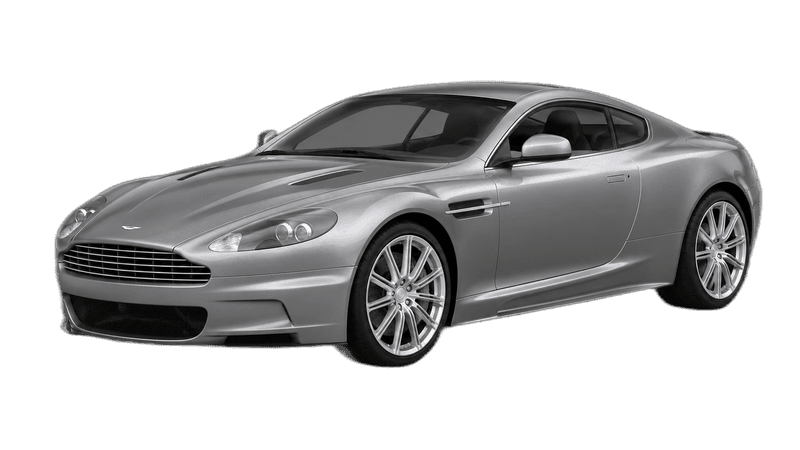
Aston Martin DBS V12 (2008)
£85,000
usedIndicative market price, updated periodically.
510bhp
Power
4.3s
0-100 km/h
307km/h
Top Speed
£85,000
Price Used
How hard it pulls.
Peak g-force the instant you bury the throttle, estimated from the car's 0–100 time and drivetrain.
Aston Martin DBS V12 (2008)Estimated peak launch g from the 0–100 time and drivetrain: an honest approximation, not a measured figure.
The Aston Martin DBS V12 (2008) is a 2-door coupé | 2-door convertible | 2-door 2+2 cou by Aston Martin, producing 510 bhp, and 570 Nm of torque, with a 0-100 km/h time of 4.3 seconds, and a top speed of 307 km/h, Valued at approximately £85,000.
Dream Car Garage Editorial · Last updated 24 October 2026
Overview
We have not driven this car. This review is based on published specifications, owner reports and market listings.
The case for the DBS V12 (2008)
The DBS V12 arrived in 2007 as the flagship of the VH range, immortalised by its appearance in Casino Royale. With 510 bhp from the 5.9-litre V12, carbon-ceramic brakes as standard, aggressive bodywork and a stripped, focused interior, it was the DB9 turned up to maximum. A six-speed manual was standard, with the Touchtronic automatic optional.
The DBS is rarer, faster and more desirable than the DB9, and its Bond connection gives it lasting cultural significance. It is now firmly in modern-classic territory and values have been appreciating.
What it costs to run
Servicing is slightly more expensive than a DB9: budget £1,000 to £1,500 annually at a specialist. The carbon-ceramic brakes are durable but extremely expensive to replace; check disc condition carefully on any used example. Tyres and other consumables are in line with the DB9. Fuel economy is 15 to 18 mpg.
The manual gearbox is the more desirable option and also the simpler one. The V12 is robust but needs proper maintenance.
Known weak points
The DBS shares the VH platform's known issues: front coil springs can corrode, electrical gremlins occur, and interior trim wears on neglected cars. The carbon-ceramic brakes are a specific and significant check. Carbon-fibre body panels (bonnet, boot, wings) are expensive to repair. The adaptive dampers can fail and are costly. Many DBSs have been used hard; look for evidence of track use or neglected maintenance.
What to check before buying
Full Aston Martin history is essential on a car of this value. Check the carbon-ceramic brakes, the adaptive dampers, and the carbon body panels for damage. Verify all electrical functions and software status. On the manual, check clutch condition and engagement. Look for evidence of track use: tyre wear patterns, brake condition and any roll-bar or harness mounting points. A specialist inspection is essential.
Market and depreciation
DBS V12 values have been appreciating as the car gains modern-classic status. Coupes now range from around £80,000 to £120,000 depending on mileage, condition and gearbox. Manuals command a premium. The Volante is rarer and more expensive. The Bond association and the car's status as the ultimate VH-platform Aston support its long-term position.
Who it suits
The buyer who wants the hardest, fastest VH-platform Aston with genuine collector credentials. The DBS is a modern classic that can still be driven and enjoyed.
Alternatives
Ferrari 599 GTB, Lamborghini Murcielago LP640, or the later DBS Superleggera at higher cost.
The 2008 DBS V12 arrived as the range flagship built on the DB9's VH architecture, producing 510hp from its 6.0-litre V12 and gaining instant fame as the car of Casino Royale. Crucially, it was offered with a six-speed manual gearbox alongside the Touchtronic automatic, and the manual cars have become the enthusiast's choice. Carbon-ceramic brakes were standard, the stance was more aggressive than the DB9's, and the whole car has aged into a genuinely handsome modern classic.
On the road the DBS is more urgent and focused than the DB9 without sacrificing grand touring usability. The manual gearbox transforms the experience for the engaged driver, while the Touchtronic suits those prioritising ease. Either way, check clutch condition on manuals, transmission fluid history on automatics, and the carbon-ceramic discs on both, since replacement is expensive. The shared VH-platform checks, including suspension condition and fluid leaks, apply.
Values have been appreciating, with manuals carrying a significant premium and low-mileage examples sought after. The car's Bond association and its position as a bridge between the classical and modern Aston eras support its collectability. Buy the best-documented example available, prioritise the manual if driver engagement matters, and verify history through the specialist network. This is a modern classic with genuine long-term appeal rather than a speculative punt.
The manual gearbox transforms the DBS experience: the Touchtronic is competent, but the six-speed manual creates a connection between driver and car that is increasingly rare in this class. The manual cars are the ones the market now prizes most highly, and the premium they command is fully justified by the driving experience. If you can find a well-documented manual, it is the version to have.
The Bond association has undoubtedly helped the 2008 DBS's profile, but the car's appeal runs deeper than a film connection. It represents a high point of the VH-era Aston: more focused than the DB9, more special than the standard range, and with a manual option that makes it a genuine driver's car. Values have risen as the market has recognised this, and the car is now firmly established as a modern classic. Buy the best-documented example, prioritise the manual, and maintain it properly. This is a car that will be appreciated for decades.
The manual's premium is fully justified by the driving experience, and manual cars are the ones the market now seeks most actively. When inspecting any 2008 DBS, verify the clutch condition on manuals, the transmission fluid history on automatics, and the carbon-ceramic discs on both. The car's Bond association has helped its profile, but its appeal runs deeper: it is a genuinely focused driver's car with a manual option that makes it increasingly rare and desirable. Buy the best-documented example, prioritise the manual, and maintain it properly.
How this review was compiled
Research-based ownership review using Aston Martin specifications, independent buying guides and owner reports. We have not driven this car. Verify condition, service history and brake condition for any individual car before purchase.
Specifications
Engine
5.9 L ''AM08'' V12
Displacement
5.9L
Power
510 bhp
Torque
570 Nm
0-100 km/h
4.3s
Top Speed
307 km/h
Drivetrain
RWD
Country
UK
Body Style
2-door coupé | 2-door convertible | 2-door 2+2 cou
Years
2007–2012
Production
2,007
Price Used
£85,000
Specifications are manufacturer-published figures.
More from Aston Martin


Featured in Carpedia
Frequently Asked Questions
What are the specifications of the Aston Martin DBS V12 (2008)?
The Aston Martin DBS V12 (2008) is a 2-door coupé | 2-door convertible | 2-door 2+2 cou by Aston Martin, producing 510 bhp, and 570 Nm of torque, with a 0-100 km/h time of 4.3 seconds, and a top speed of 307 km/h, Valued at approximately £85,000.
How much does a Aston Martin DBS V12 (2008) cost?
The Aston Martin DBS V12 (2008) has a used market value of approximately £85,000.
How many Aston Martin DBS V12 (2008) were made?
Aston Martin produced 2,007 units of the Aston Martin DBS V12 (2008).
Is the Aston Martin DBS V12 (2008) AWD or RWD?
The Aston Martin DBS V12 (2008) uses a RWD drivetrain configuration in a 2-door coupé | 2-door convertible | 2-door 2+2 cou body style.
What type of car is the Aston Martin DBS V12 (2008)?
The Aston Martin DBS V12 (2008) is a gts manufactured by Aston Martin in UK. Production ran from 2007 to 2012.