Long-distance performance machines built to devour continents in comfort
By Dream Car Garage Editorial
Grand touring is one of motoring's oldest and most romantic traditions — the idea that a car should be capable of crossing a continent in a single day without exhausting its driver, while still delivering the performance to justify its credentials on a mountain pass. The GT car is defined by this duality: civilised enough to wear a suit and tie, dangerous enough to demand your full respect.
The GT segment in 2026 spans an extraordinary range. At one end sit the Hyper-GTs — vehicles so powerful and so technically sophisticated that they blur the line between GT and outright supercar. At the other, the classical GT formula endures: a long bonnet, a powerful engine, and enough leather to line a small drawing room.
We have drawn from both the GT and Hyper-GT categories to assemble 2026's definitive ranking, ordered by peak power output — the most honest measure of a machine's ultimate ambition.
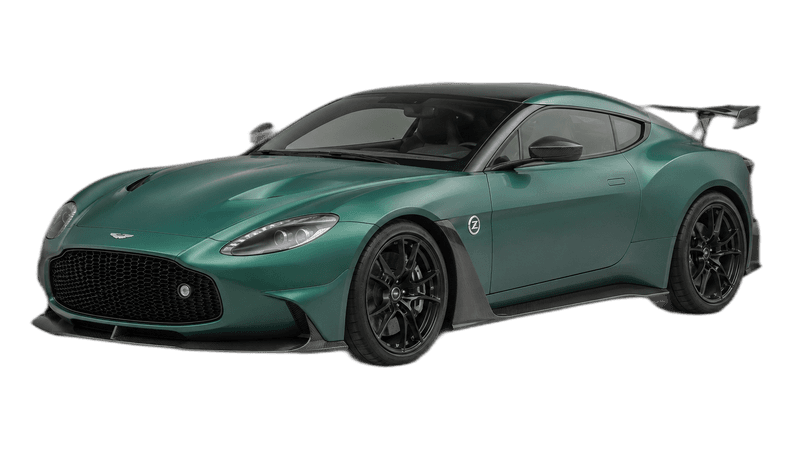
Nineteen were made. The DBS GT Zagato pairs Aston's 5.2-litre twin-turbo V12 with Zagato's inimitable coachbuilding artistry — a GT car that is as much sculpture as engineering, and more exclusive than almost anything on this list.
The Vanquish S represents Aston Martin's GT tradition at its most eloquent — a naturally aspirated 6.0-litre V12 producing 824bhp, housed in a carbonfibre body of almost painful beauty. The last of the old-guard Aston Grand Tourers.
The Taycan Turbo S is Porsche's statement that electrification can produce a GT car of genuine intent — 939bhp, a 2.4-second 0–100 km/h time, and a 800V charging architecture that makes long-distance travel genuinely viable.
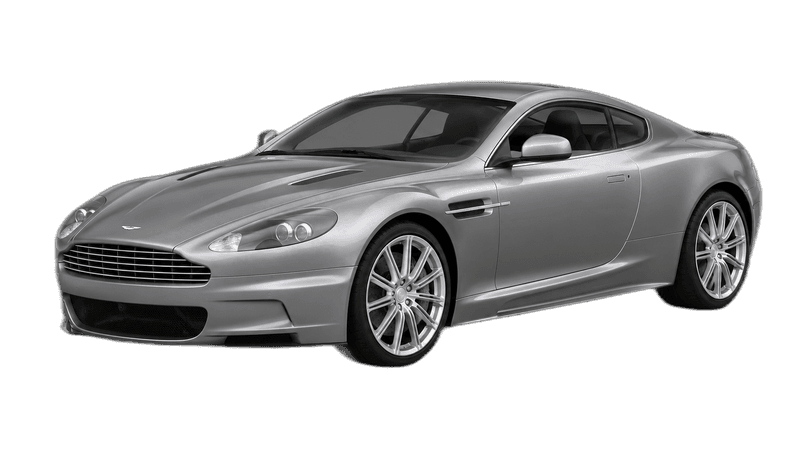
The 2008 DBS was the car that Daniel Craig drove in Casino Royale, and it deserves its cinema credentials — 759bhp from a 6.0-litre V12, rear-wheel drive, and a chassis that rewards the skilled driver with enormous satisfaction.
The 2013 Vanquish was the car that announced Aston Martin's intent to build a true 21st-century GT — carbonfibre construction, the brand's trademark 6.0-litre V12, and proportions that remain among the most elegant in automotive history.
The Speed 12 is TVR's most extreme creation — a twin-supercharged 7.7-litre V12 that reportedly produced so much power the prototype broke its own instrumentation. At 880bhp in road-legal form, it remains one of the most fearsome GT cars ever conceived.
When the gullwing doors of the SLS AMG open, something in the air changes. At 740bhp from a front-mounted naturally aspirated V8, it is a GT car of drama and purpose in equal measure — Mercedes-Benz's finest modern creation.
The GT 63 S E Performance fuses a 4.0-litre twin-turbo V8 with a rear-axle electric motor to produce 843bhp in a four-door body. It is the fastest accelerating road-legal AMG ever made, and among the most practical.
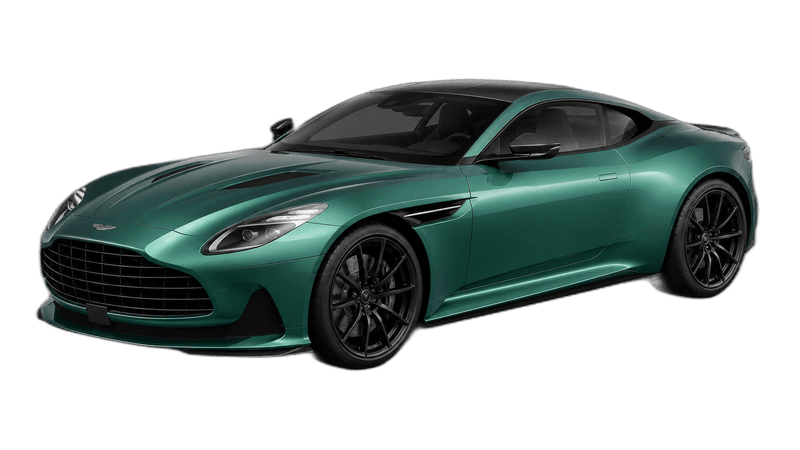
The DB12 is Aston Martin's vision of the modern GT car — 690bhp from a twin-turbo 4.0-litre V8, a completely revised interior of genuine luxury, and a chassis that delivers the brand's trademark blend of performance and poise.
The SLS AMG Black Series is the gullwing icon at its most ferocious — 740bhp, no stability control nannying, and a naturally aspirated 6.2-litre V8 that provides one of the greatest GT driving experiences of the modern era.
The GT car of 2026 must reconcile increasingly contradictory demands: lighter, faster, greener, yet still capable of delivering the unhurried grandeur that defines the genre. The ten machines here manage that tension with varying degrees of grace — but each one, in its own way, makes a compelling case for the long way round.