
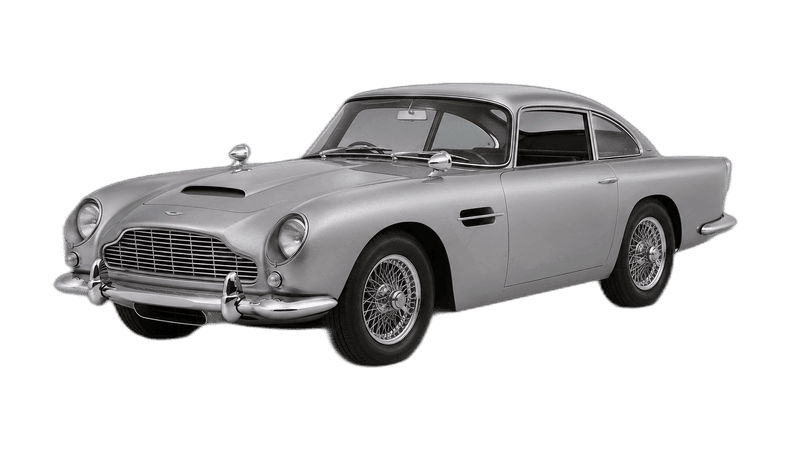
Aston Martin DB5
£750,000
usedIndicative market price, updated periodically.
282bhp
Power
8.2s
0-100 km/h
234km/h
Top Speed
£750,000
Price Used
How hard it pulls.
Peak g-force the instant you bury the throttle, estimated from the car's 0–100 time and drivetrain.
Aston Martin DB5Estimated peak launch g from the 0–100 time and drivetrain: an honest approximation, not a measured figure.
The Aston Martin DB5 is a 2-door 2+2 coupe by Aston Martin, producing 282 bhp, and 390 Nm of torque, with a 0-100 km/h time of 8.2 seconds, and a top speed of 234 km/h, Valued at approximately £750,000.
Dream Car Garage Editorial · Last updated 24 October 2026
Overview
We have not driven this car. This review is based on published specifications, owner reports and market listings.
The case for the DB5
No Aston Martin is more famous. The DB5, built from 1963 to 1965, combined Carrozzeria Touring's elegant Superleggera construction with a 4.0-litre straight-six producing 282 bhp, enough for genuine 140 mph performance. Then Goldfinger made it the most recognisable car in the world.
Beyond the film connection, the DB5 is a genuinely lovely car to drive by 1960s standards: torquey, refined and beautifully balanced. Around 1,059 were built, including convertibles and shooting brakes, and demand has never weakened.
What it costs to run
A DB5 must be maintained by specialists who understand the car. An annual service at a recognised Aston Martin Works or independent specialist runs from £1,500 to £3,000 or more, and any significant mechanical work is priced in thousands. Parts are available through the strong Aston heritage network but are expensive. The car is usable in modern traffic and on tours, and the straightforward mechanicals (carburettors or later fuel injection, a ZF five-speed) are robust when properly maintained.
Known weak points
The Superleggera body is aluminium panels over a steel tube frame, attached to a steel platform. Corrosion of the underlying structure and sills is the critical issue on any example. The engine is durable but needs correct maintenance of its timing and cooling. Electrical systems are simple by modern standards but suffer from age. Chrome, brightwork and interior trim restoration is expensive.
The single biggest risk is a cosmetically excellent car hiding structural corrosion or a poorly documented restoration. At DB5 values, the difference between a great car and a mediocre one can be £200,000.
What to check before buying
Provenance and documentation first: build records via the Aston Martin heritage certificate, ownership history, and a complete restoration file with photographs. Have the car inspected by a recognised DB5 specialist, with particular attention to the chassis, sills and structure. Originality of engine, gearbox and interior specification matters to value. Matching numbers are expected at this level.
Market and depreciation
DB5 values have been strong for two decades. Good coupes now trade from £600,000 to £900,000, with the best examples and convertibles above that. Values have plateaued at times but the DB5's cultural status gives it a uniquely deep market. Buy the best car you can; restoring a rough one to top standard costs more than the difference.
Who it suits
The serious collector who wants the definitive Aston Martin icon and has the budget for both purchase and proper specialist maintenance. It is a car to be used on tours and events, not locked away.
Alternatives
Aston Martin DB4, Ferrari 250 GT, Jaguar E-Type Series 1, or a Maserati 3500 GT.
Built from 1963, the DB5 combines a 4.0-litre triple-SU straight-six producing around 282hp with elegant Touring-styled bodywork, and its association with a certain fictional spy has made it one of the most recognisable cars ever built. To drive, it is a product of its era in the best sense: the steering is heavy at parking speeds but communicative once moving, the engine pulls smoothly with a lovely exhaust note, and the disc brakes are adequate when well maintained. Its eligibility for prestigious rallies and events is part of the appeal.
Structurally, the DB5 uses aluminium panels over a steel frame, and that frame's condition is the single most important buying factor. Corrosion in the steel structure beneath beautiful alloy skin is the classic DB5 trap, and a full professional restoration can comfortably exceed £300,000. The specialist ecosystem is excellent, from Aston Martin Works at Newport Pagnell to established marque restorers, but demand their inspection before purchase rather than after.
Provenance is everything at this level: matching numbers, factory build records and a documented history separate an investment-grade car from an expensive problem. Be aware that Aston Martin built 25 DB5 Goldfinger continuation cars from 2020; these are clearly identifiable modern builds and must not be confused with originals. Agreed-value insurance, climate-controlled storage and regular sympathetic use are the sensible ownership pattern for a car of this significance.
The DB5 remains a genuinely usable classic in the right hands: eligible for the most prestigious events, comfortable enough for touring, and with performance that keeps pace with modern traffic. Owners who use their cars regularly report that sympathetic regular exercise keeps them in better health than static storage. The driving experience is a world away from a modern car, but that is precisely the point: it demands engagement and rewards it with character.
Buying at this level means choosing between the auction houses and the specialist dealers. A car with a fresh restoration by a recognised specialist, documented with photographs and invoices, represents the safest route. Project cars are best left to those with deep pockets and the right contacts, as restoration costs routinely exceed estimates. The DB5's iconic status means the market is deep and liquid for good cars; provenance, condition and documentation determine value more than almost any other factor. This is a car to buy with expert guidance and to enjoy for decades.
Aston Martin built 25 DB5 Goldfinger continuation cars from 2020, faithful recreations with working gadgetry, and these are clearly identifiable modern builds distinct from the originals. Original-car values are in a different league entirely, driven by provenance, matching numbers and documented history. Agreed-value insurance is essential at this level, and the car should be stored in climate-controlled conditions and used regularly but sympathetically. The DB5 rewards the owner who appreciates its significance and maintains it through the specialist network; it is a car to be enjoyed, not merely stored.
How this review was compiled
Research-based ownership review using Aston Martin heritage information, marque-specialist guidance and market reports. We have not driven this car. Any DB5 purchase requires a specialist inspection and full provenance verification.
Specifications
Engine
DOHC Straight-6, 3995 cc
Displacement
4.0L
Power
282 bhp
Torque
390 Nm
0-100 km/h
8.2s
Top Speed
234 km/h
Drivetrain
RWD
Country
UK
Body Style
2-door 2+2 coupe
Years
1963–1965
Production
1,021
Price Used
£750,000
Specifications are manufacturer-published figures.
More from Aston Martin
Featured in Carpedia
Frequently Asked Questions
What are the specifications of the Aston Martin DB5?
The Aston Martin DB5 is a 2-door 2+2 coupe by Aston Martin, producing 282 bhp, and 390 Nm of torque, with a 0-100 km/h time of 8.2 seconds, and a top speed of 234 km/h, Valued at approximately £750,000.
How much does a Aston Martin DB5 cost?
The Aston Martin DB5 has a used market value of approximately £750,000.
How many Aston Martin DB5 were made?
Aston Martin produced 1,021 units of the Aston Martin DB5.
Is the Aston Martin DB5 AWD or RWD?
The Aston Martin DB5 uses a RWD drivetrain configuration in a 2-door 2+2 coupe body style.
What type of car is the Aston Martin DB5?
The Aston Martin DB5 is a gts manufactured by Aston Martin in UK. Production ran from 1963 to 1965.