Honda's Gift to Motorsport
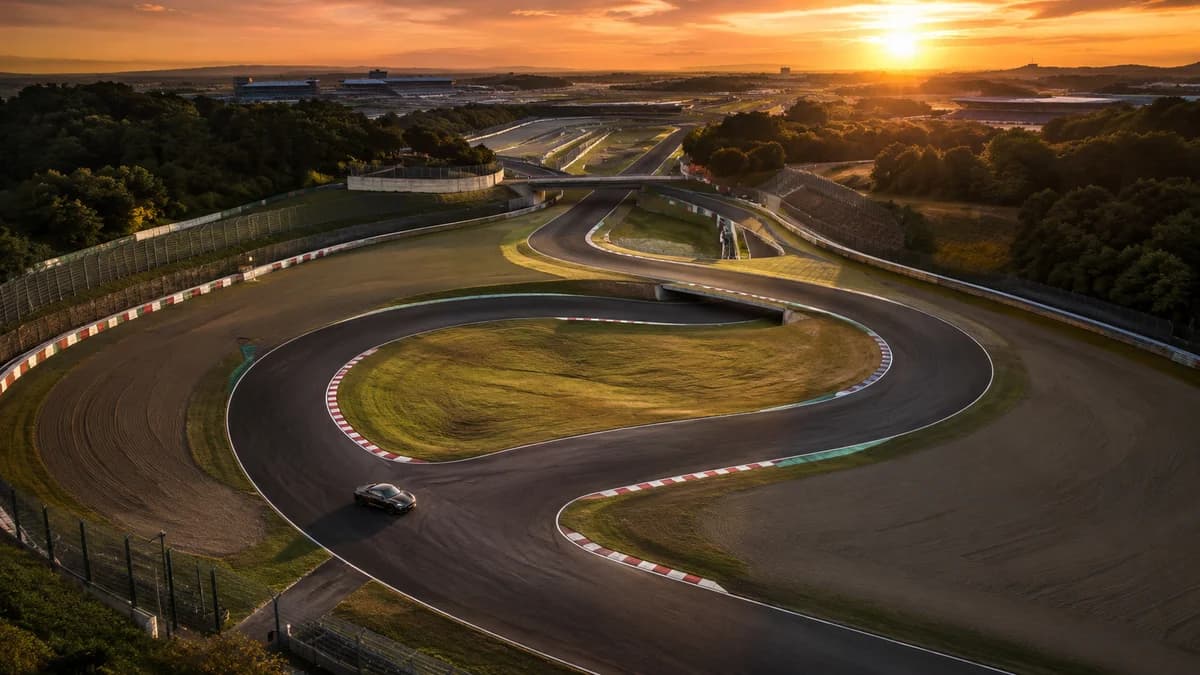
Suzuka Circuit was designed by John Hugenholtz and built for Honda in 1962 as a driver training and vehicle testing facility. It was never meant to be a Grand Prix circuit. That it became one of the most celebrated tracks in Formula 1 history is a testament to the quality of its geometry, Hugenholtz's layout, with its figure-eight overpass crossing, its esses and hairpin, its 130R high-speed corner and the Spoon Curve complex, creates a circuit that rewards both raw speed and technical precision in near-equal measure.
The 130R corner is Suzuka's most instructive moment. Taken flat in modern downforce cars, it generates lateral loads that approach 5G, in a production car, without the ground-effect aerodynamics that make modern F1 machinery trivial through the corner, 130R is a test of active aerodynamics, tyre construction, and driver composure that reveals everything relevant about a car's high-speed balance. A car that arrives at Suzuka with a weakness in its high-speed platform will be exposed here with the dispassionate efficiency that Japanese engineering culture has always valued.
For the Japanese domestic performance car industry, Suzuka occupies a position analogous to the Nordschleife in Germany: the place where Nissan validated the GT-R, where Honda sent every Civic Type R for its final sign-off, where Toyota's engineers measure the GR Yaris against the ambitions of its development brief. It is simultaneously a public circuit and a private benchmark, Japan's most honest instrument for measuring speed.
The Figure-Eight Champions
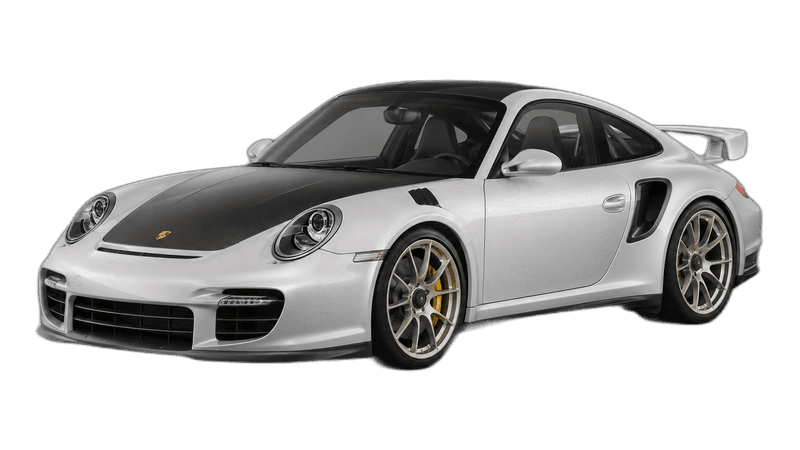
1. Porsche 911 GT2 RS (991): approximately 2:09.0 (2018 development)
The GT2 RS's Suzuka testing was part of Porsche's global validation programme for its most powerful road car. The circuit's esses sequence, taken at speeds that require complete trust in the car's understeer-free balance, proved well-suited to the GT2 RS's rear-wheel drive precision. Its time of approximately 2:09 placed it ahead of all contemporary Japanese domestic performance cars, and most European supercars tested at the circuit in the same period.
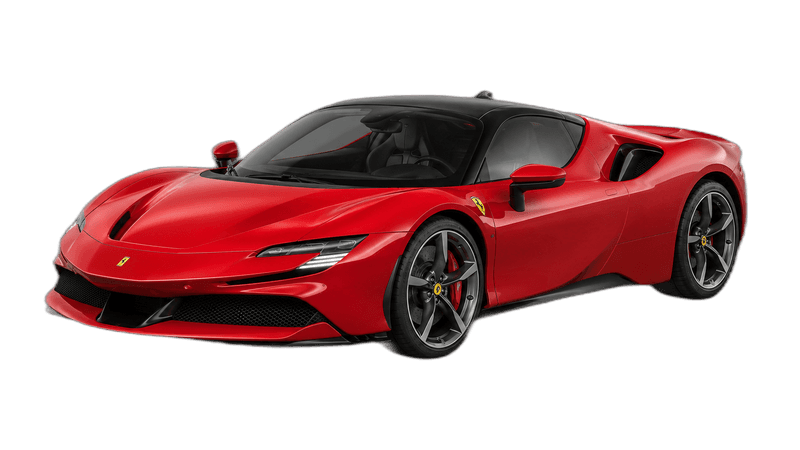
2. Ferrari SF90 Stradale: approximately 2:09.5 (2021 Japanese launch)
Ferrari's Japanese market launch programme for the SF90 Stradale included Suzuka track sessions that produced lap data consistent with the car's global track performance credentials. The SF90's all-wheel drive traction at low corner speeds, beneficial through the hairpin and the esses, combined with its hybrid power delivery at track speeds to produce one of the fastest production car laps in the circuit's history. Ferrari's Japanese importers used the data in their launch materials; it was the most persuasive argument available.
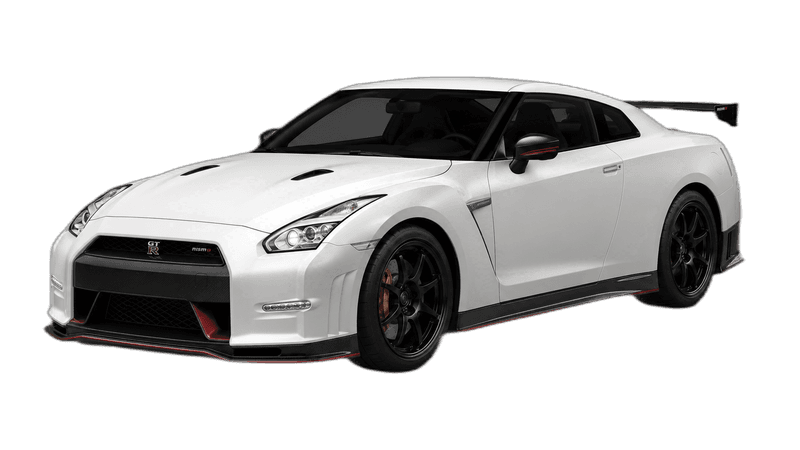
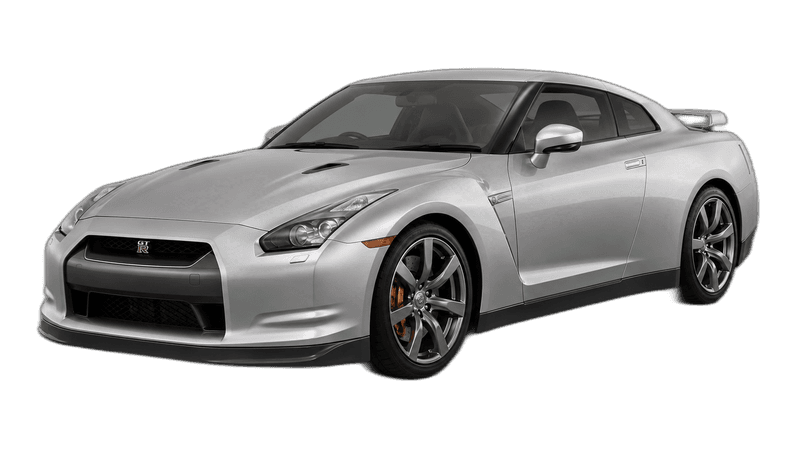
3. Nissan GT-R Nismo: 2:13.520 (2014, official)
The GT-R Nismo's official Suzuka time of 2:13.520 is one of the few entirely verified production car lap records on this circuit. Set in 2014 at the car's Japanese market launch, it represented Nissan's statement that the Nismo variant, with its 600 bhp, retuned suspension, and Dunlop Sport Maxx race tyres, was in a different class from the standard GT-R. The time held as Japan's most credible domestic performance benchmark for years, and remains the reference point against which all Japanese performance car manufacturers measure themselves.
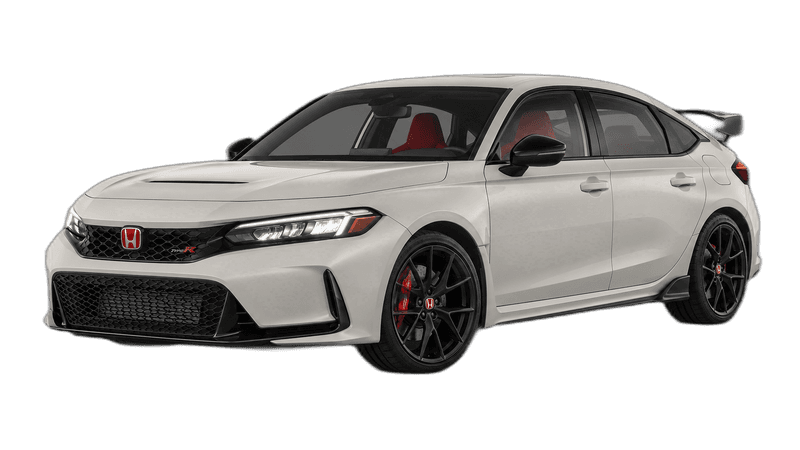
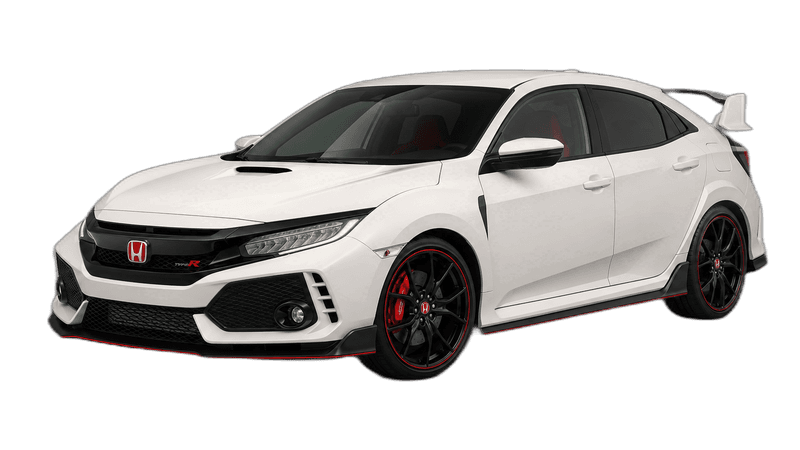
4. Honda Civic Type R (FL5): 2:23.120 (2023, official)
Honda's official Suzuka lap record for the FK8-generation Civic Type R stood at 2:30.338 before the FL5 demolished it with a 2:23.120 in 2023. The new record was set by Honda's development driver Hideki Mutoh, and it was achieved with a standard production car on Michelin Pilot Sport 4S tyres, with no track-specific preparation beyond the optional Type R accessories. The FL5's more sophisticated aerodynamics, revised suspension geometry, and adaptive dampers transformed the Civic Type R from a fast hot hatch into a genuine front-wheel drive circuit weapon.
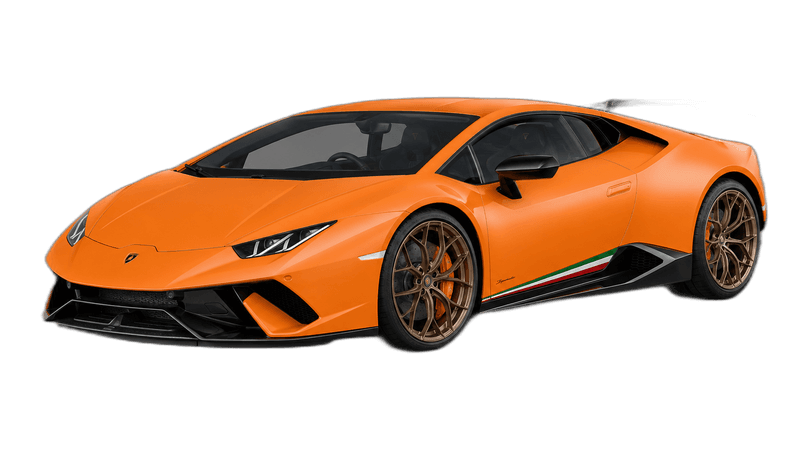
5. Lamborghini Huracán Performante: approximately 2:10.8 (2017)
The Huracán Performante's Suzuka testing contributed to the ALA system's calibration for the Japanese market, a market that was among the first to embrace the car's track-day potential. The circuit's 130R corner, taken with ALA's downforce mode engaged, demonstrated the measurable advantage of active aerodynamics over passive systems in high-speed cornering. The lap time placed the Performante ahead of its natural Italian competitors on a circuit that might have been expected to favour the GT-R's all-wheel drive advantage.
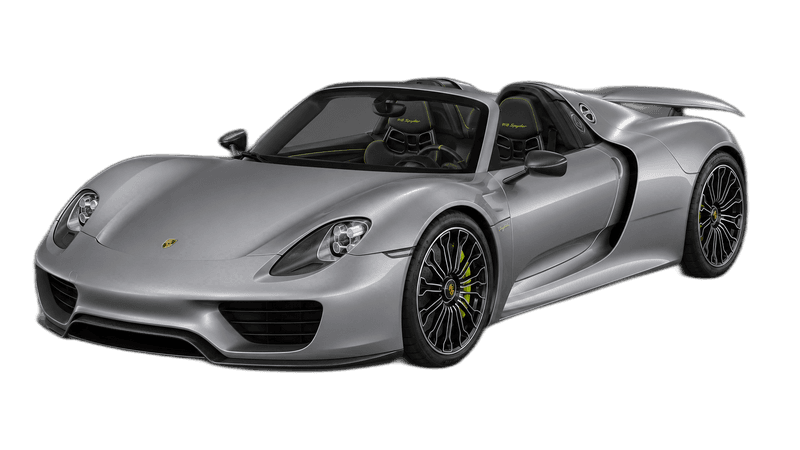
6. Porsche 918 Spyder: approximately 2:11.5 (2013)
The 918 Spyder's Japanese testing included Suzuka sessions as part of the Asia-Pacific validation programme. The hybrid hypercar's torque-vectoring all-wheel drive system delivered through Suzuka's hairpin and the low-speed sections of the first sector in a way that rear-wheel drive competitors could not replicate, and the combination of immediate electric torque with V8 acoustic drama made the 918's Suzuka laps some of the most dramatic documentation in the car's development archive.
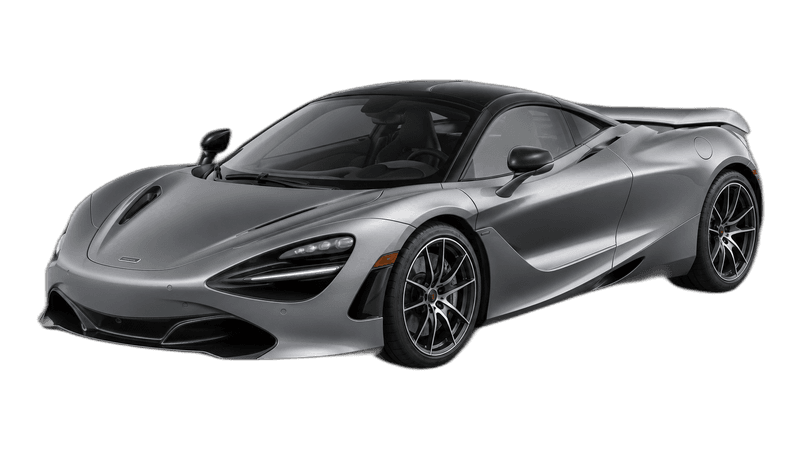
7. McLaren 720S: approximately 2:12.0 (2017)
McLaren's 720S validation programme included Asian circuit testing as the manufacturer expanded its Japanese dealer network. The 720S's ProActive Chassis Control hydraulic suspension, which interconnects front and rear dampers to manage pitch and roll independently, proved particularly effective at Suzuka's compression zones, the esses and the 130R approach. The car's 720 bhp and 1,419 kg dry weight provided a power-to-weight ratio that translated well across the circuit's diverse corner types.
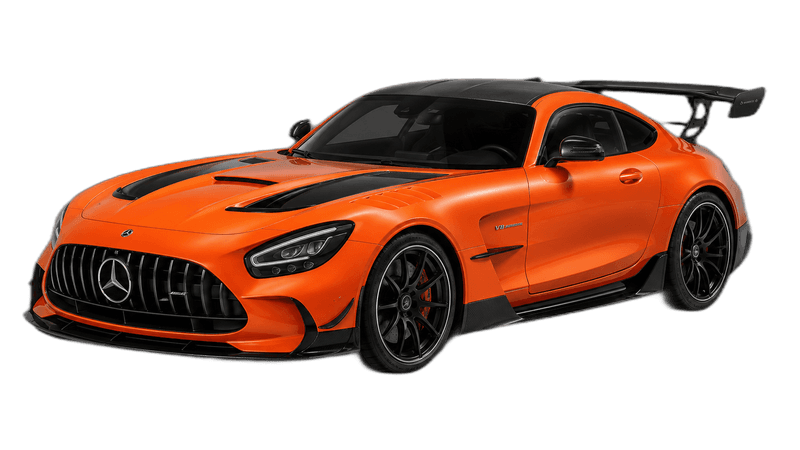
8. Mercedes-AMG GT Black Series: approximately 2:12.8 (2021)
The AMG GT Black Series completed its Asia-Pacific validation at Suzuka and Fuji, with the Suzuka data used to verify the car's aerodynamic calibration in the ambient conditions specific to Japanese circuit operation. The Black Series's adjustable aerodynamics, with multiple settings for front splitter and rear wing, allowed AMG's engineers to optimise the car specifically for Suzuka's balance requirements, producing a lap time that reflected calibration as much as raw performance.
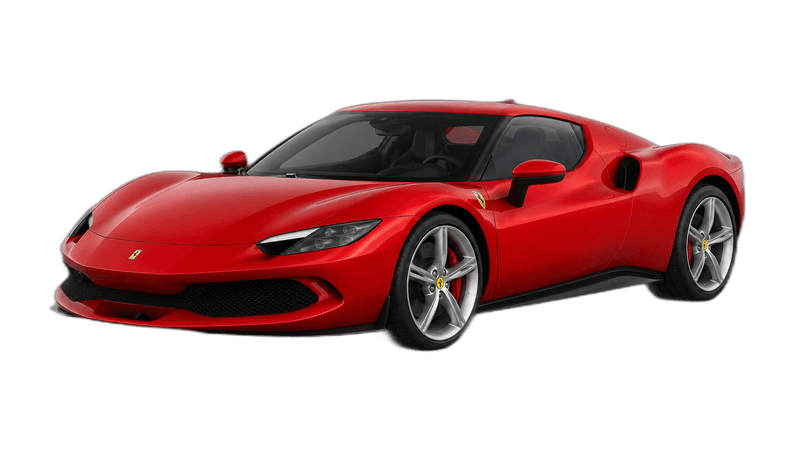
9. Ferrari 296 GTB: approximately 2:14.5 (2022)
The 296 GTB's plug-in hybrid V6 architecture: 819 bhp combined from a turbocharged 3.0-litre V6 and an electric motor on the rear axle, represents Ferrari's vision for the mid-engine sports car in an electrified era. At Suzuka, the hybrid system's ability to fill the torque curve between turbocharger spool events translated into a consistency of lap time that pure combustion sports cars of similar output could not match. The 296 GTB's Suzuka performance established it as one of the most complete sports cars of its generation.
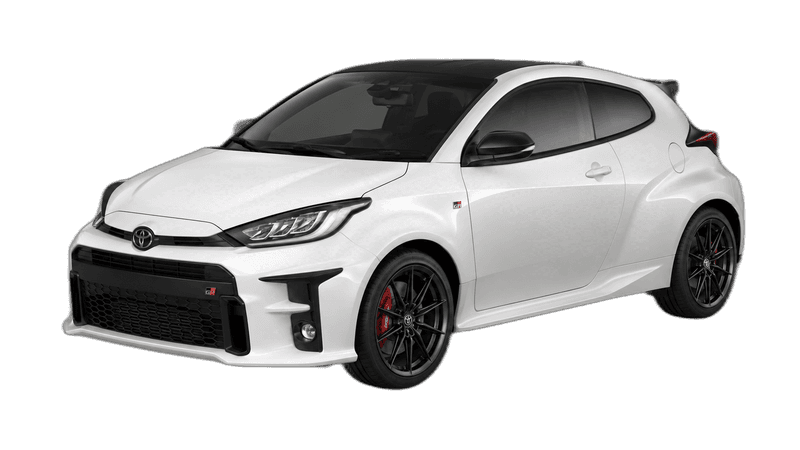
10. Toyota GR Yaris: 2:43.0 (2020, class record)
The GR Yaris's Suzuka lap time is remarkable not for its absolute number but for its context: a 1.6-litre three-cylinder turbocharged hot hatch competing at a circuit where it should have no business being discussed. Toyota's GR4 all-wheel drive system and the Yaris's extraordinary 272 bhp-per-litre specific output give it dynamics that extend far beyond its exterior dimensions. Its Suzuka time set a class record for production cars under 1,300 kg, and positioned it as the most technically complete small car on a demanding circuit.
The Circuit That Tells No Lies
Suzuka's continued authority as a performance benchmark derives from the breadth of its demands. Unlike Monza, which rewards power above all else, or Laguna Seca, which rewards driver commitment at the Corkscrew, Suzuka is impossible to drive well with a single-dimensional car. It requires aerodynamic efficiency, traction, braking stability, and the driver's ability to maintain discipline through the esses at speeds that feel irresponsible. The cars at the top of this list have answered every question, and for the Japanese engineers who designed them, that answer carries a particular weight.