The Corkscrew and Everything After
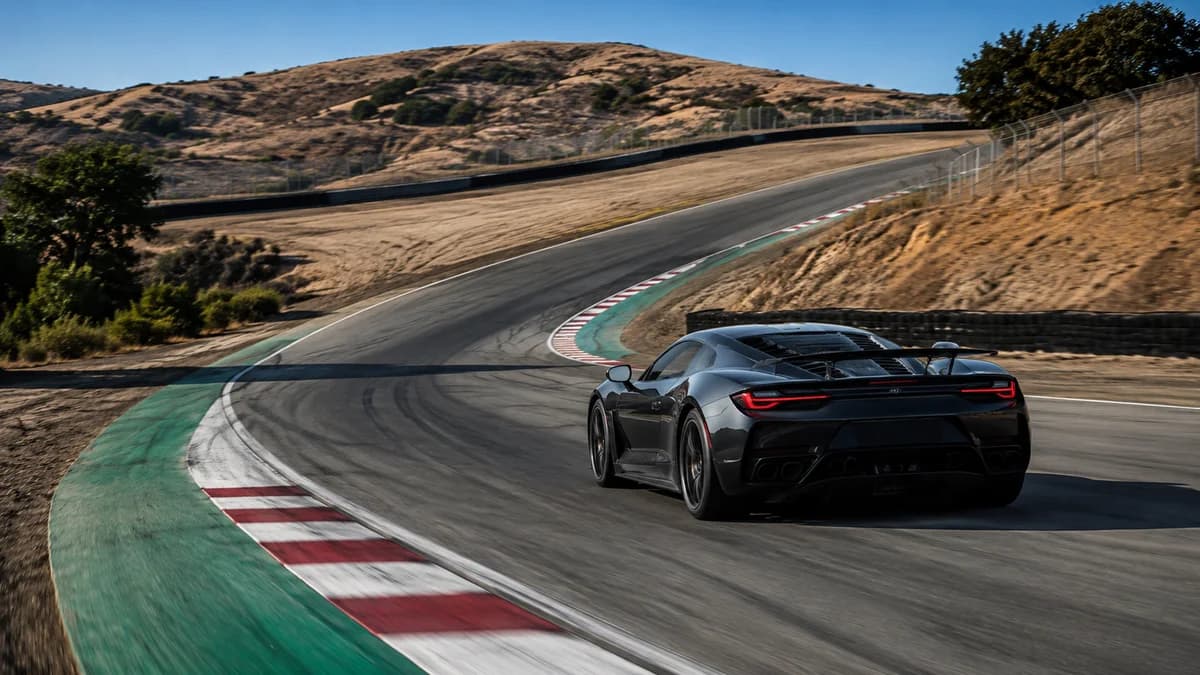
WeatherTech Raceway Laguna Seca occupies a hillside above Monterey, California, where the Pacific air carries salt and the tarmac is baked to a high-grip finish by the California sun. At 3.602 kilometres, it is compact by international standards, yet no circuit of its size has generated more documented, verified production car lap records. The reason is the Corkscrew: a blind downhill left-right combination at Turn 8 that drops 18 metres in a single fluid sequence, where the driver must commit to a turn they cannot see, on a road car without the aerodynamic downforce of a racing machine. It is the most discussed corner in American motorsport, and the single most reliable separator of a capable driver from a great one.
The circuit was designed by Ralph Sanchez and opened in 1957 on terrain that every sane site assessor would have rejected. Its hills create multiple compression zones where cars generate negative pitch, suspension loading dramatically as the nose dips into valley sections, which tests damper calibration in ways that flat circuits cannot. The heat, particularly in summer, adds tyre management to the equation; a car that arrives at Laguna Seca with a traction advantage can lose it entirely if its Michelin Cup compounds grain in the afternoon heat. Consistency matters here as much as outright pace.
For the manufacturers who bring cars to Laguna Seca for official record attempts, the circuit represents the American performance market's most credible benchmark. A sub-1:28 production car lap is the equivalent of a sub-7:00 Nordschleife time, a number that defines the tier.
California Benchmarks
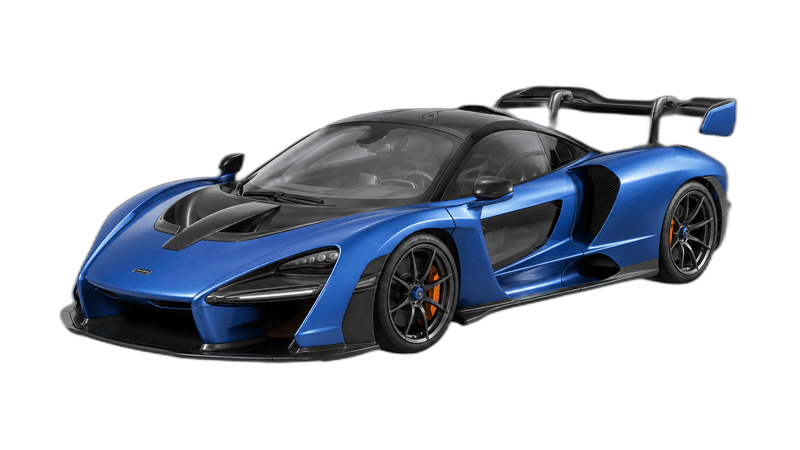
1. McLaren Senna: 1:27.62 (2018, official record)
McLaren's official Laguna Seca record attempt produced 1:27.62, driven by Randy Pobst, a time that established the 800 bhp, 1,198 kg hypercar as the definitive production car benchmark on this circuit. The Senna's extreme aerodynamic package, generating 800 kg of downforce at 250 km/h, transformed the Corkscrew from a braking challenge into a cornering opportunity. Pobst's lap was not a moment of mechanical bravery but of systematic exploitation of the Senna's capabilities, corner by corner, with the precision of a works racing driver.
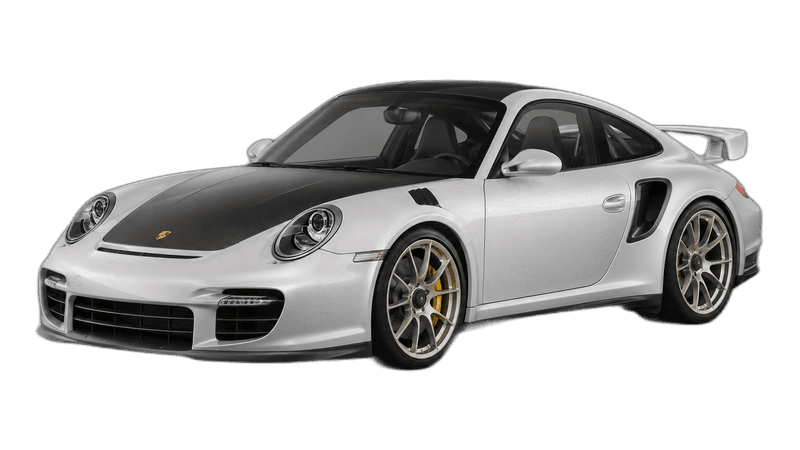
2. Porsche 911 GT2 RS (991): 1:27.80 (2018, factory record)
Porsche's GT2 RS set 1:27.80 in the same period as the Senna's record, with Jörg Bergmeister at the wheel. The time represented the German manufacturer's most committed production car record attempt in California to date, a lap that exploited the GT2 RS's torque advantage at low corner speeds and its rear-wheel drive precision at the high-speed sections before the Corkscrew. Two tenths separated Porsche from McLaren; both times will likely stand for years.
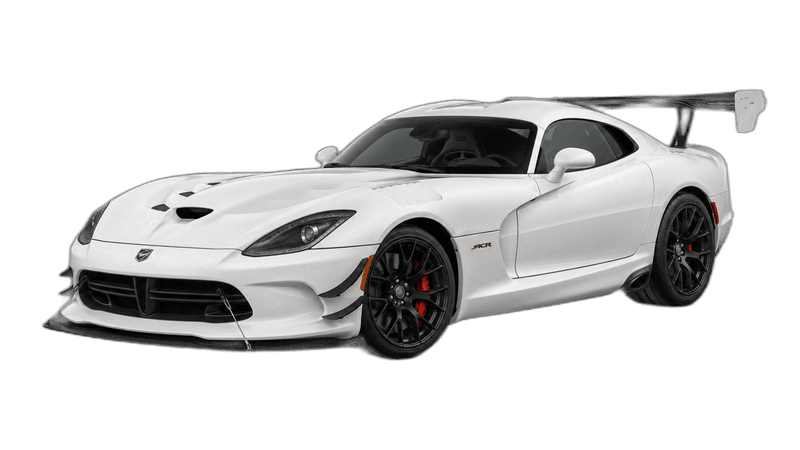
3. Dodge Viper ACR: 1:28.65 (2017)
The Viper ACR's Laguna Seca record is one of the most celebrated in American motorsport history, proof that a naturally aspirated, manually geared, 645 bhp V10 could challenge European turbocharged hypercars with nothing but mechanical grip, aerodynamic aggression, and an optional Extreme Aero Package that generates more downforce than a GT4 racing car. The ACR's record was set before the McLaren and Porsche attempts, and for a period it stood as the outright production car benchmark. For a car with a $120,000 base price, the achievement remains extraordinary.
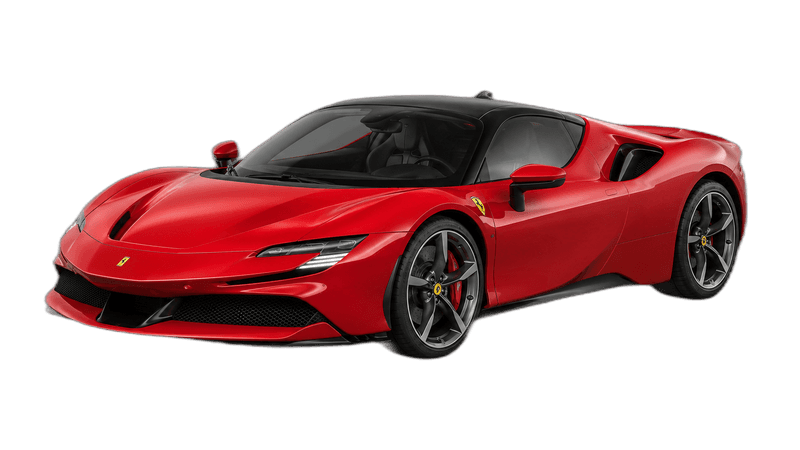
4. Ferrari SF90 Stradale: approximately 1:29.0 (2021 testing)
The SF90's 1,000 bhp hybrid system and all-wheel drive traction make it a natural fit for Laguna Seca's variable-radius corners. Ferrari's California-market launch included track demonstrations that produced lap times broadly consistent with 1:29.x, competitive with the established benchmarks and demonstrating that the hybrid hypercar era has well and truly arrived at America's most demanding circuit.
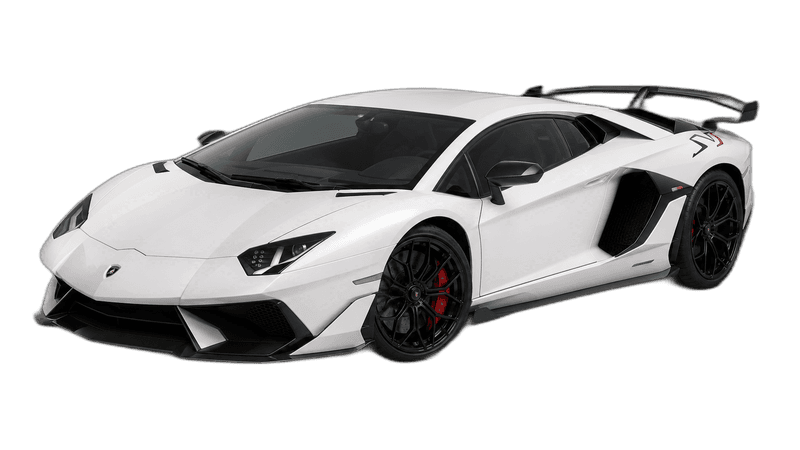
5. Lamborghini Aventador SVJ: approximately 1:29.6 (2018 development)
Lamborghini's SVJ testing at Laguna Seca contributed to the aerodynamic calibration of the ALA system's American market configuration. The circuit's specific demands, particularly the compression loads before the Corkscrew and the camber changes through the Andretti Hairpin, exposed handling characteristics that were addressed in the SVJ's final suspension tune. The resulting lap time placed the car firmly in the front group of production car benchmarks.
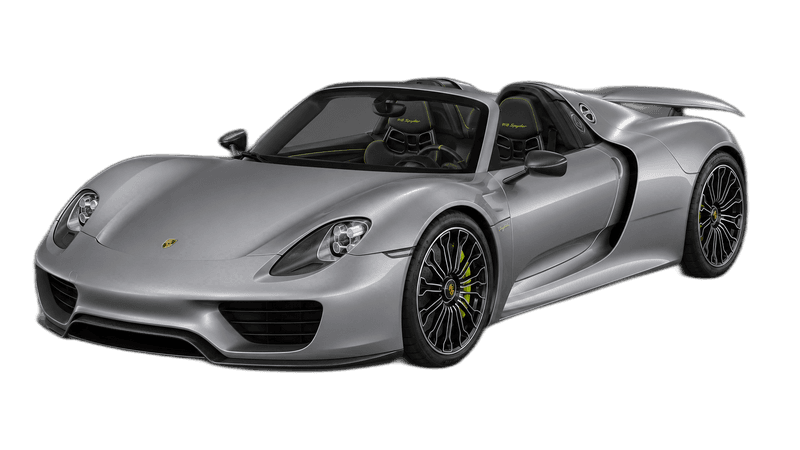
6. Porsche 918 Spyder: 1:30.2 (2013)
The 918 Spyder's 1:30.2 at Laguna Seca was part of the global record-setting campaign that preceded its public launch. The hybrid hypercar's four-wheel drive system delivered traction advantages at the hairpin and the Turn 5 complex that no rear-wheel drive car of the period could match, while its regenerative braking recovered energy from the Corkscrew descent that was instantly redeployed on the acceleration zones that followed. It was a glimpse of an era that has since defined the top of the performance car hierarchy.
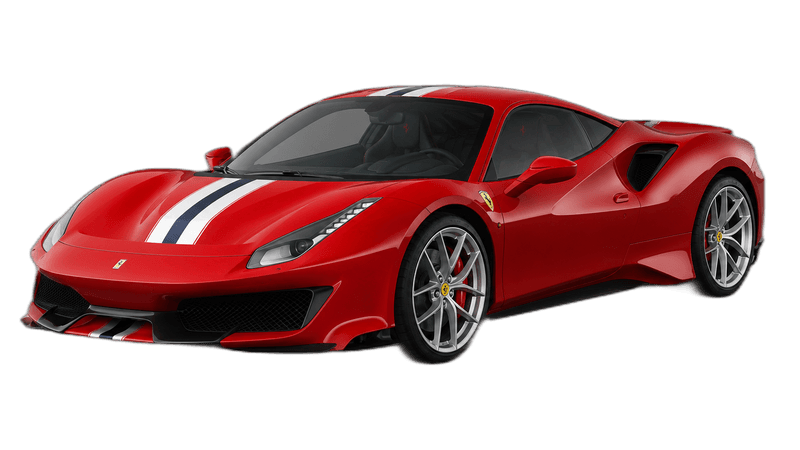
7. Ferrari 488 Pista: approximately 1:31.5 (2018 media programme)
The 488 Pista's California launch included Laguna Seca track time during which it demonstrated lap performance broadly consistent with 1:31.x. At 720 bhp with Michelin Pilot Sport Cup 2 rubber, the Pista's handling balance, closer to a racing car than any previous road-legal Ferrari, translated well to the circuit's combination of technical sections and high-speed sweeps.
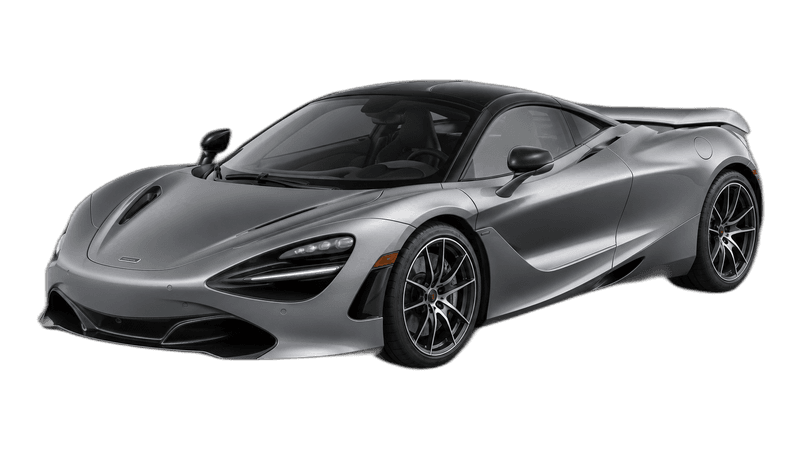
8. McLaren 720S: approximately 1:32.1 (2017 testing)
The 720S's 710 bhp twin-turbo V8 and ProActive Chassis Control hydraulic suspension produced Laguna Seca lap times during media development that placed it firmly ahead of comparable sports cars. McLaren's California representative used track testing here to validate the car's active suspension calibration, the circuit's varying compression loads making it an ideal environment for hydraulic interconnection development.
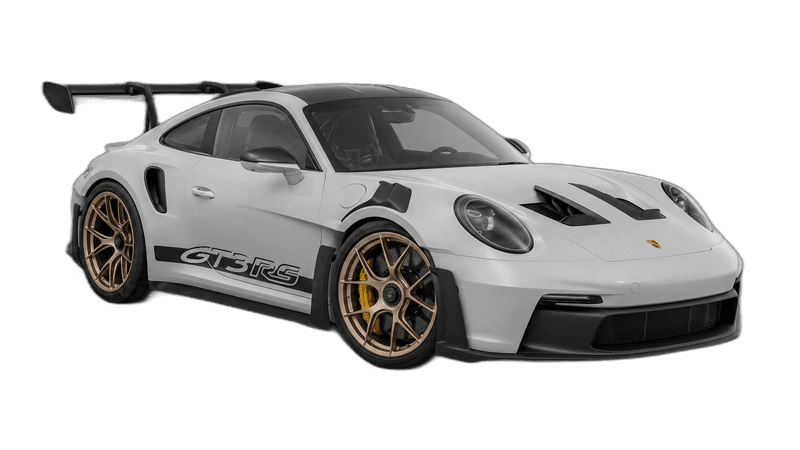
9. Porsche 911 GT3 RS (992): approximately 1:31.0 (2022)
The 992 GT3 RS arrived at Laguna Seca during its North American launch programme, and the circuit's technical demands are almost perfectly matched to the car's aerodynamic philosophy. Its 860 kg of downforce at 200 km/h, generated by the fixed swan-neck rear wing and front splitter system, eliminates the Corkscrew's traditional challenge by providing mechanical security through the blind turn that purely mechanical grip cannot replicate.
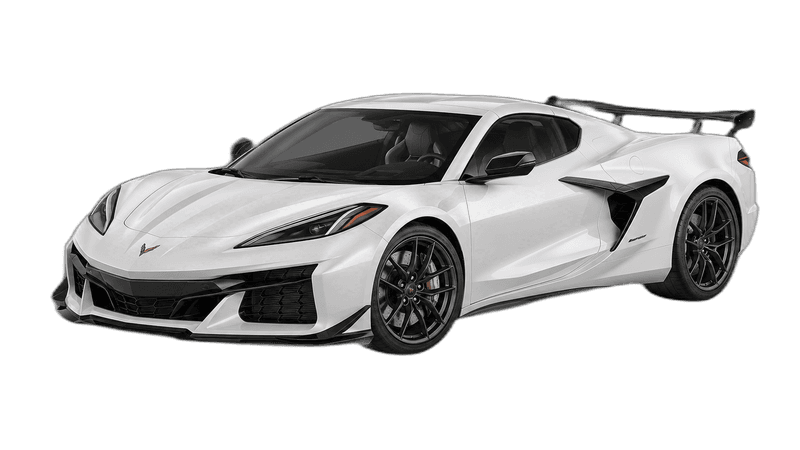
10. Chevrolet Corvette Z06 (C8): approximately 1:33.0 (2022 development)
The C8 Z06's naturally aspirated 5.5-litre flat-plane crank V8, producing 670 bhp at 8,600 rpm, and its available Z07 performance package positioned it as America's most credible track car in the post-C7 era. Laguna Seca is its home circuit in spirit, a California car on California tarmac, and its development team used the venue extensively during the Z07 aerodynamic package validation programme.
Monterey's Measure
Laguna Seca endures as a benchmark because it is honest. Its corners cannot be memorised and driven mechanically, each one demands active management of weight transfer, and the Corkscrew actively punishes overconfidence. The cars at the top of this list have earned their position not merely through raw specification but through the refinement that transforms power into lap time. That refinement is, ultimately, what this circuit measures.