
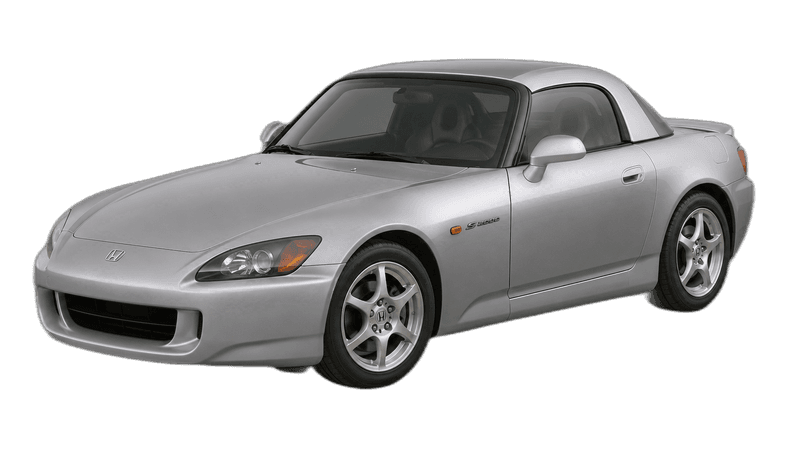
Honda S2000 AP1
£25,000
usatoIndicative market price, updated periodically.
240cv
Potenza
6.2s
0-100 km/h
241km/h
Velocita Massima
£25,000
Prezzo Usato
Quanto spinge.
La forza g di picco nell'istante in cui affondi l'acceleratore, stimata dal tempo 0–100 e dalla trazione.
Honda S2000 AP1G di partenza stimata dal tempo 0–100 e dalla trazione: un'approssimazione onesta, non un dato misurato.
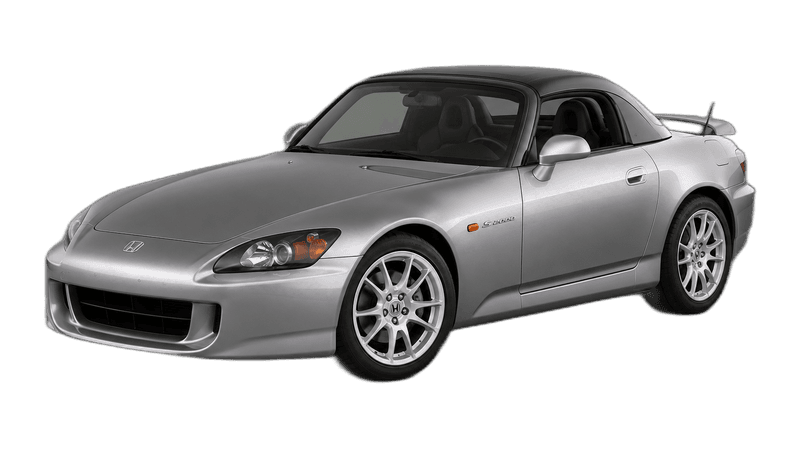
The Honda S2000 AP1 is a 2 seater convertible/cabriolet by Honda, with 240 bhp, 208 Nm of torque, a 0-100 km/h time of 6.2 seconds and a top speed of 241 km/h. Indicative used value: approximately £25,000. Actual values vary with specification, condition and history.
Dream Car Garage Editorial · Edited by José Teo Lorente Vallecillos · Last updated 30 October 2026
Panoramica
We have not driven this car. This review is based on published specifications and the sources listed below.
The AP1 made 9000 rpm usable
The early S2000 remains one of the clearest expressions of Honda's high-revving naturally aspirated philosophy. Honda's 2001 specification sheet lists a 1997 cc DOHC VTEC inline-four with 240 hp at 8300 rpm and 153 lb-ft of torque at 7500 rpm, driving the rear wheels through a six-speed manual gearbox and torque-sensing limited-slip differential. We have not driven this model for this article. This is a desk-researched ownership guide using Honda's S2000 introduction and specifications, the PistonHeads S2000 buying guide and the DVSA recall service. Their evidence should guide an inspection, not replace one.
Our catalogue uses the AP1 years 1999–2003: 240 bhp, 208 Nm, 0 to 100 km/h in 6.2 seconds and a 241 km/h maximum, with rear-wheel drive. PistonHeads notes that UK cars remained with the 2.0-litre AP1 while the United States later moved to the 2.2-litre AP2. That matters when reading online advice. Some engine, chassis and model-year guidance is market-specific, and an imported or converted car should be identified before applying it.
Oil history is the engine's biography
PistonHeads recommends oil changes every 6,000 miles or six months and warns against waiting for the warning light. The S2000 uses oil pressure and level information as part of VTEC operation, and low oil can inhibit the system until corrected. Ask for invoices showing the oil grade, date, mileage and workshop. Check the owner's routine for cold starts, warm-up and high-rev use. A car that has been repeatedly taken to high rpm on a cold engine or run low without explanation is a different risk from one with disciplined service evidence.
Valve clearances, timing-chain tensioner noise and correct plugs belong in the assessment. PistonHeads describes cold top-end tapping that may be a sticking hydraulic pin and a start-up rattle associated with the timing-chain tensioner. Those symptoms need a Honda specialist with listening equipment and service data. The F20C should sound precise, not rattly or uneven. Blue smoke, sustained oil use or a misfire under load are reasons to pause, price major work or walk away. The gearbox is generally robust, but upper-gear synchromesh issues can appear, so test every gear repeatedly when warm.
Chassis condition hides in fasteners and geometry
Honda's specification lists a high X-bone monocoque and in-wheel double wishbone suspension. The layout gives the S2000 its alert steering and balanced feel, but PistonHeads highlights seized geometry bolts and bushes where corrosion has formed on poorly greased fasteners. This is not a theoretical rust check. It can turn a routine alignment into cutting, heat and replacement suspension parts. Ask whether geometry has been set, which parts were renewed and whether photographs show the condition of the adjustment points before work began.
Early cars can feel nervous on poor tyres or incorrect geometry. PistonHeads describes early S2000s as snappy or prone to tramlining when tyres and setup are not right. Check tyre age, brand matching, pressures and any history of staggered or inappropriate fitment. Inspect dampers, top mounts, wishbone bushes, ball joints, anti-roll-bar links and steering-rack mounts. The electric power steering should feel consistent; a heavy, notchy or intermittent system needs diagnosis rather than assumption. Brake calipers can seize, and VSA-related control units can be costly, so include braking electronics in the test.
Roof, body and interior are use-case checks
The S2000's power soft top is part of the daily ownership experience. PistonHeads identifies wear at the fabric around the driver's right shoulder, plus catches and drain behaviour as inspection points. Operate the roof several times and inspect the fabric, rear window, seams and header rail. A hardtop is valuable only with its correct fittings, seals and storage solution. Check the boot, sills, rear wheelarch liners and underside for corrosion. Honda gave the roadster a rigid structure, but rust protection and accident repair quality still vary by history.
Inside, the high seating position and digital instruments define the car. Tall drivers should check hood clearance, seat travel and hardtop headroom. Test the seat adjustment, windows, locks, air conditioning and stereo surround. PistonHeads notes that the stereo surround tabs can be fragile, and later cars gained detail changes. None of this outweighs mechanical condition, but a complete interior supports the story of a cared-for car.
Inspection sequence for a specialist
Use the first viewing to establish identity and storage history, not to make a decision. Check the VIN, import papers where relevant, service book, keys, roof operation and body panel consistency. Ask when the valve clearances, chain tensioner, plugs and gearbox oil were last addressed. A specialist report should separate maintenance due by age from faults caused by neglect.
The second inspection belongs on a lift. Photograph the underside, suspension fasteners, brake lines, floor and sills before any cleaning. Check the soft-top drains, boot seal, rear wheelarch liners and the area behind the seats for water or corrosion. On the road, test cold and warm starting, clutch bite, every gear, VTEC engagement and steady-state cruise. The AP1's appeal is its precision, so vague steering, brake judder or unresolved top-end noise should remain part of the price discussion until they are diagnosed.
The best AP1 is serviced, not merely preserved
Values are driven by mileage, service history, roof condition, rust, accident repair and the quality of previous ownership. The rev ceiling is part of the appeal, but it is not a licence to ignore oil temperature, valve adjustment or warm-up discipline. Honda gives the original mechanical specification; PistonHeads supplies the ownership checks. Use the DVSA recall service and Honda or a specialist to confirm outstanding campaigns and safety work before purchase.
An AP1 with invoices, a dry structure, a healthy roof, precise gearbox selection and no unresolved valvetrain noise offers a cleaner route into the model than a cheaper car with glossy paint and missing history. This guide combines Honda's historical specifications and the sources listed below. It assigns no verified production count to the AP1 derivative.
Specifiche
Motore
2.0L F20C inline-4 naturally aspirated petrol (VTEC)
Cilindrata
2.0L
Potenza
240 cv
Coppia
208 Nm
0-100 km/h
6.2s
Velocita Massima
241 km/h
Trazione
RWD
Paese
Japan
Carrozzeria
2 seater convertible/cabriolet
Anni
1999–2003
Prezzo Usato
£25,000
Specifications are manufacturer-published figures.
Altre di Honda
Domande Frequenti
What are the specifications of the Honda S2000 AP1?
The Honda S2000 AP1 is a 2 seater convertible/cabriolet by Honda, with 240 bhp, 208 Nm of torque, a 0-100 km/h time of 6.2 seconds and a top speed of 241 km/h. Indicative used value: approximately £25,000. Actual values vary with specification, condition and history.
How much does a Honda S2000 AP1 cost?
Indicative used value: approximately £25,000. Actual values vary with specification, condition and history.
What drivetrain does the Honda S2000 AP1 use?
The Honda S2000 AP1 is configured with rear-wheel drive.
What type of car is the Honda S2000 AP1?
The Honda S2000 AP1 is a sports cars manufactured by Honda in Japan. Production ran from 1999 to 2003.