
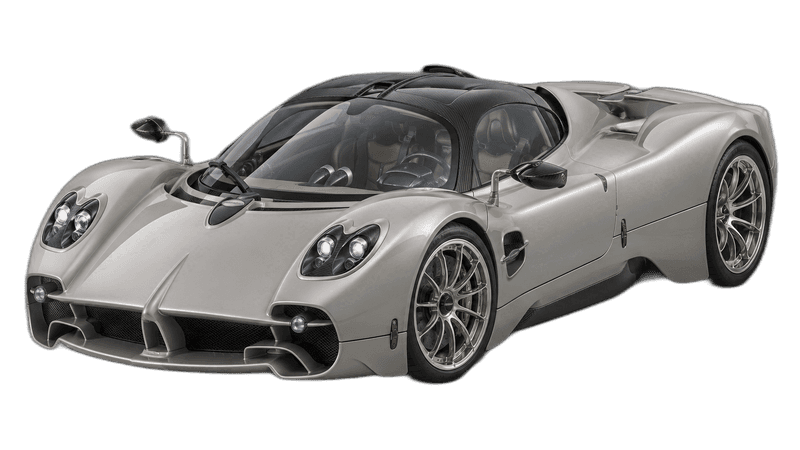
Pagani Utopia
852bhp
Power
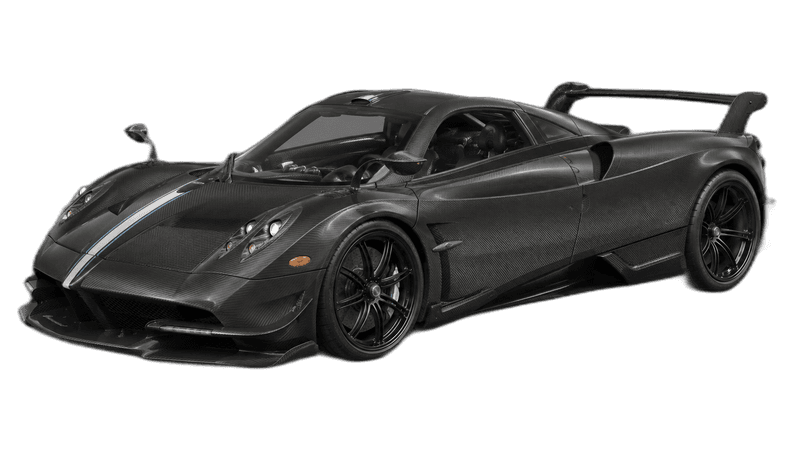
The Pagani Utopia is a 2-door coupé by Pagani, with 852 bhp and 1100 Nm of torque.
Dream Car Garage Editorial · Last updated 28 October 2026
Overview
We have not driven this car. This review is based on published specifications and the sources listed below.
A Pagani with a manual option
The Utopia is Pagani's third model line, following the Zonda and the Huayra. It uses a bespoke 6.0-litre twin-turbo V12 built by Mercedes-AMG, producing 864 PS, about 852 bhp, and 1100 Nm. The car weighs 1280 kg dry and is offered with either a seven-speed automated manual transmission or a pure manual gearbox with an electro-mechanical differential. Pagani planned an initial series of 99 coupes.
This is a desk-researched ownership guide. We have not driven this model for this article. The Utopia is a low-volume car with a short public history, so the guide focuses on the engineering, the inspection points and the questions that a specialist should answer.
The AMG V12 and the transmission choice
The engine produces 864 PS at 6000 rpm and 1100 Nm between 2800 and 5900 rpm. It is a 60-degree V12 with twin turbochargers, built to Pagani's specification by Mercedes-AMG. The engine is mounted behind the cabin and drives the rear wheels through a transverse gearbox.
The manual option is unusual in a modern hypercar. It uses a clutch pedal and a gated shifter, while the automated manual uses paddle shifts. The clutch and gearbox calibration are critical. Ask which transmission the car has, who has serviced it and whether the clutch has been replaced. A manual car should be driven carefully during the inspection, with smooth engagement and no graunching.
The automated manual should shift cleanly in automatic and manual modes. Ask for a diagnostic report and evidence of any software updates. A transmission that jerks or hesitates may need calibration, but it could also have a mechanical fault.
Carbo-titanium monocoque and suspension
The Utopia uses a Carbo-Titanium HP62 G2 monocoque with Carbo-Triax HP62 structures and chromium-molybdenum steel front and rear tubular subframes. The suspension uses forged aluminium double wishbones with electronically controlled dampers.
Inspect the carbon structure for cracks, delamination and repair marks. A low-speed impact can damage the tub without obvious bodywork deformation. Ask for a lift inspection and photographs of the suspension mounting points. Check the subframes for corrosion and the dampers for leaks.
The car has a front lift system and a ride-height adjustment. Test the system and inspect the front splitter for contact damage. A four-wheel alignment report is useful, particularly if the car has been used on poor roads.
Brakes, wheels and tyres
The Utopia uses Brembo carbon-ceramic brakes with 410 x 38 mm front discs and six-piston calipers, and 390 x 34 mm rear discs with four-piston calipers. The wheels are 21-inch front and 22-inch rear APP forged units, fitted with Pirelli P Zero Corsa tyres in 265/35 R21 and 325/30 R22 sizes. Pirelli SottoZero tyres are offered for cold conditions.
Measure the discs and pads, check the fluid history and inspect the calipers for heat damage. Confirm the wheel and tyre specification and check the date codes. A car that has been stored for a long period may have flat-spotted or aged tyres even if the tread looks good.
Track use and setup
If the car has been used on circuit, ask for the post-event inspection, the brake and tyre measurements and the fluid changes. Track use is not a defect, but it changes the maintenance priorities. Ask for the damper settings, the ride-height record and the alignment sheet from the last event.
The carbon tub and the steel subframes should be inspected together after any suspension impact, because damage can transfer between them. A car with a clear track history and fresh consumables can be a better prospect than a garage queen with unknown fluids.
The Utopia's performance makes a documented setup and a specialist inspection worthwhile.
Cabin, bespoke parts and storage
The cabin is hand-finished and highly configurable. Check the seats, the screens, the climate control and the audio. Confirm that the trim, stitching and metalwork match the build record. Pagani's personalisation programme means that replacement parts can take time to produce.
Ask how the car has been stored. A low-volume hypercar with a carbon tub and bespoke electronics should be kept in a controlled environment with a battery maintainer and a plan for exercising the systems. A recent service invoice should list the work, the parts and any diagnostic findings.
Provenance and factory support
Confirm the VIN, the build number, the delivery specification and the service history. Pagani's production is limited, and the factory can provide documentation for a genuine car. Ask whether the car has been repaired, repainted or modified, and whether the work was carried out by Pagani or an approved specialist.
The 99-car initial series is a production plan, not a guarantee of value. A Utopia should be bought on specification, condition and support. Confirm the warranty, the service intervals and the availability of consumables before purchase.
Inspection and ownership planning
Use a Pagani specialist or the factory. The inspection should cover the engine, the transmission, the clutch, the carbon structure, the suspension, the brakes, the tyres, the electrical systems and the documentation. Ask for a cold start, a diagnostic scan and a written report.
Insurance, transport and storage should be arranged before delivery. A car of this type is not suited to a general-purpose workshop or a short trial run. The ownership plan should include regular exercise, fluid changes and a relationship with the factory.
Sources and limitations
Pagani's official Utopia page, technical data sheet and press release supply the engine, transmission, chassis and production information. The guide makes no claim about transaction prices, future values or reliability. A factory-trained inspection and a documented provenance check remain necessary.
Specifications
Engine
6.0 L twin-turbocharged V12
Displacement
6.0L
Power
852 bhp
Torque
1100 Nm
Drivetrain
RWD
Country
Italy
Body Style
2-door coupé
Years
2022–present
Production
99
Specifications are manufacturer-published figures.
More from Pagani


Frequently Asked Questions
What are the specifications of the Pagani Utopia?
The Pagani Utopia is a 2-door coupé by Pagani, with 852 bhp and 1100 Nm of torque.
How many Pagani Utopia were made?
Pagani produced 99 units of the Pagani Utopia.
What drivetrain does the Pagani Utopia use?
The Pagani Utopia is configured with rear-wheel drive.
What type of car is the Pagani Utopia?
The Pagani Utopia is a hypercars manufactured by Pagani in Italy. Production started in 2022.