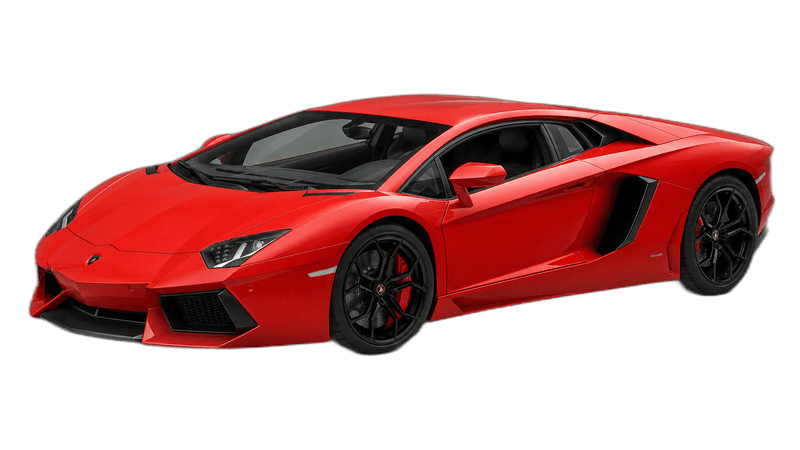
Lamborghini Aventador LP700-4
£290,000
usedIndicative market price, updated periodically.
690bhp
Power
2.9s
0-100 km/h
350km/h
Top Speed
£290,000
Price Used
The Lamborghini Aventador LP700-4 produces 690 bhp, reaches 100 km/h in 2.9 seconds and has a top speed of 350 km/h. A representative example is worth about £290,000.
How hard it pulls.
Peak g-force the instant you bury the throttle, estimated from the car's 0–100 time and drivetrain.
Lamborghini Aventador LP700-4Estimated peak launch g from the 0–100 time and drivetrain: an honest approximation, not a measured figure.
Dream Car Garage Editorial · Edited by José Teo Lorente Vallecillos · Last updated 27 October 2026
Overview
We have not driven this car. This review is based on published specifications and the sources listed below.
Identify the original LP700-4
The Aventador LP700-4 introduced Lamborghini's carbon-monocoque V12 platform in 2011. Its 6,498 cc naturally aspirated engine produces 700 PS, approximately 690 bhp, and 690 Nm. The original coupe reaches 100 km/h in a quoted 2.9 seconds and has a 350 km/h maximum speed. All-wheel drive and the seven-speed ISR transmission belong to this identity; later S, SVJ and Ultimae specifications should not be substituted.
We have not driven this model for this article. This is a desk-researched ownership guide using Lamborghini's history material, the PistonHeads buying guide and the manufacturer's recall service. The buyer's priority should be establishing the actual car's build date, updates and condition. Neither a generic Aventador production total nor a later model's power figure answers those questions.
Understand the ISR before judging it
ISR is a single-clutch automated manual, not a dual-clutch transmission. PistonHeads describes abrupt low-speed behaviour in early cars and subsequent calibration improvements. A buyer expecting a modern dual-clutch creep function may mistake a characteristic for a defect, but the opposite mistake is equally unhelpful: warnings, refusal to select a gear or inconsistent engagement require diagnosis.
The guide identifies early solenoid-pack problems affecting gear selection and reports leaking seals on some 2012 cars. Ask for invoices rather than assuming a particular repair has been completed. A specialist should review diagnostic information, clutch condition and the behaviour of the gearbox both cold and warm. No universal clutch lifespan can be inferred from mileage alone, particularly when the car's urban use and storage history are unknown.
Arrange a permitted road assessment with someone familiar with the transmission. Record whether software, fluid or control-unit work has been done and why. Clearing a warning before a viewing does not establish that its cause has been resolved.
V12 records and safety campaigns
Observe a genuinely cold start where possible, followed by checks at operating temperature. The service file should explain oil and fluid changes, warning investigations and any work to the fuel or exhaust systems. Aftermarket exhaust equipment needs particular scrutiny: identify the parts, installer and corresponding calibration, rather than accepting noise as evidence of a healthy engine.
PistonHeads discusses an evaporative-emissions and fuel-vapour campaign affecting cars in the 2012-17 period. It also describes a later stalling-related campaign and an early headlamp adjustment issue. These are prompts for a VIN check, not a statement that every LP700-4 has every defect. Lamborghini's recall page is the appropriate starting point for the individual chassis, with dealer confirmation of completed work.
Do not deliberately reproduce a suspected safety fault during a test drive. If a warning or unsafe symptom appears, stop the assessment and arrange professional diagnosis. The manufacturer advises completing applicable recalls without delay, even when the owner has not noticed a symptom.
Carbon structure, brakes and suspension
The carbon passenger cell and aluminium subframes make repair history important. A clean exterior is not a structural inspection. Request access underneath and ask the specialist to identify impact evidence, replaced components and any repair documentation that needs a separate body specialist's opinion. Photographs cannot establish the condition of concealed mounting points.
Carbon-ceramic discs should be assessed using the appropriate inspection procedure, including weighing where required, rather than a guessed remaining lifespan. PistonHeads describes this method; it should not be replaced by a promise that every disc lasts a particular mileage. Include pads, fluid and hydraulic components in the report.
The pushrod suspension, dampers and tyre wear should be considered together. Confirm wheel and tyre sizes, inspect inner shoulders and compare wear with geometry. If the front lift is fitted, test it through its operating range. The guide quotes a 40 mm lift, but the important purchase question is whether the system on this car operates correctly and has evidence of maintenance or repair.
Cabin fit and everyday operation
Try the scissor-door entry, seating position and controls in person. The wide sill and low seating position can matter more in daily use than the performance figures. Confirm that the seat choice suits the driver and that adjustment, heating where fitted, air conditioning and both display screens work.
Early infotainment capability should not be assumed from a modern phone's expectations. PistonHeads notes that early Bluetooth provision was oriented towards telephone use. Demonstrate the actual connection, audio source and parking equipment instead of promising functionality from an option description.
Check trim, warning lamps, windows, locks and the battery's condition. A car stored for long periods may need more explanation than a recent valet and a charged battery. Ask how it was maintained during inactivity and whether electrical faults were diagnosed or simply reset. Ad Personam paint and trim should be connected to a factory specification or supporting invoices.
Build an evidence-led purchase plan
Before agreeing a purchase, request the service history, recall completion, diagnostic findings and a written inspection covering the underside. Ask the inspector to distinguish a measured fault from a recommendation and to list inaccessible areas. A short drive without warning lights cannot replace those checks.
The original coupe does not receive a global production figure here because the reviewed sources do not establish a body-specific total for this catalogue entry. Likewise, service costs are not invented: obtain itemised quotations for the work actually identified on the car. Separate routine servicing, wear items, safety work and optional cosmetic restoration so that the initial ownership plan is understandable.
Sources and limitations
Lamborghini's history page establishes the model architecture, while PistonHeads supplies the early-car transmission and ownership context. The recall service supplies the individual safety-check route. Early LP700-4 reports must not be transferred automatically to later Aventadors. This guide does not certify a particular car, promise reliability or predict prices; an independent Lamborghini-specialist inspection remains necessary.
Specifications
| Engine | 6.5L (6498 cc) naturally aspirated V12 |
|---|---|
| Displacement | 6.5L |
| Power | 690 bhp |
| Torque | 690 Nm |
| 0-100 km/h | 2.9s |
| Top Speed | 350 km/h |
| Drivetrain | AWD |
| Country | Italy |
| Body Style | 2-door coupe |
| Years | 2011–2017 |
| Price Used | £290,000 |
Specifications are manufacturer-published figures.
Frequently Asked Questions
What is a Lamborghini Aventador LP700-4 worth?
A representative example is worth about £290,000. Actual values vary with specification, condition and history.
How much power does the Lamborghini Aventador LP700-4 have?
The Lamborghini Aventador LP700-4 produces 690 bhp and 690 Nm of torque.
How fast is the Lamborghini Aventador LP700-4 from 0 to 100 km/h?
The Lamborghini Aventador LP700-4 accelerates from 0 to 100 km/h in 2.9 seconds.
What is the top speed of the Lamborghini Aventador LP700-4?
The Lamborghini Aventador LP700-4 has a top speed of 350 km/h.
What engine does the Lamborghini Aventador LP700-4 have?
The Lamborghini Aventador LP700-4 uses a 6.5L (6498 cc) naturally aspirated V12.
When was the Lamborghini Aventador LP700-4 built?
The Lamborghini Aventador LP700-4 was built from 2011 to 2017.
Is the Lamborghini Aventador LP700-4 all-wheel drive?
Yes. The Lamborghini Aventador LP700-4 is configured with all-wheel drive.