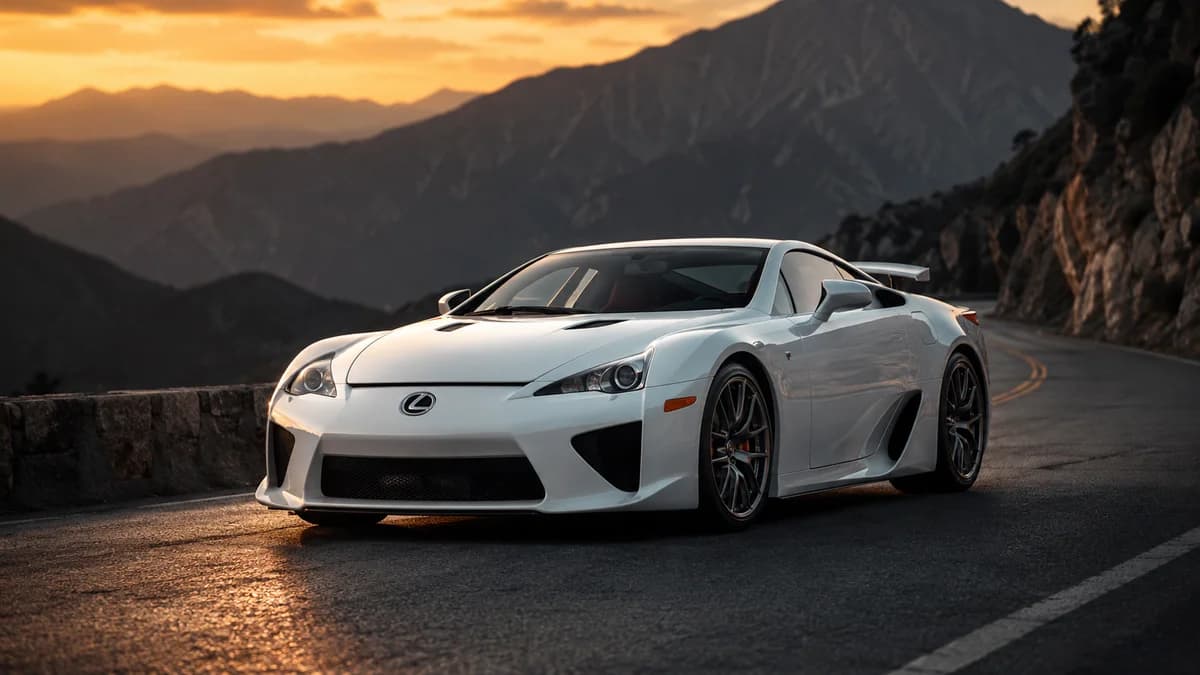
Ten Years in the Making
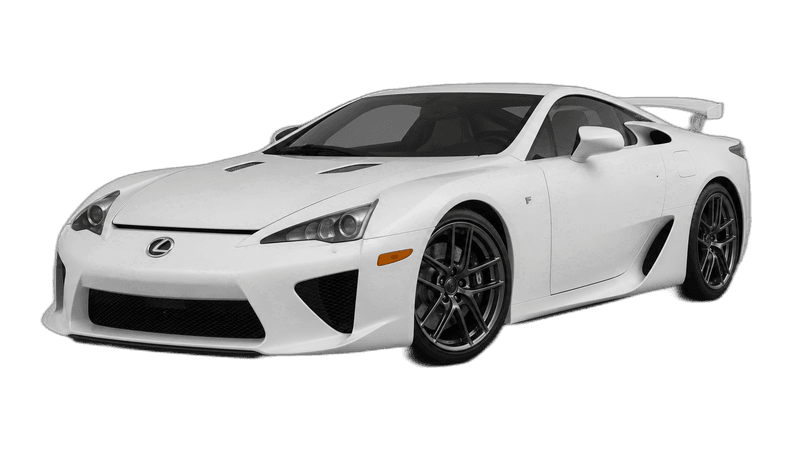
The Lexus LFA programme began in 2000 as a secret project to build the ultimate expression of Japanese engineering. Over ten years, three complete redesigns, and an estimated $375 million in development costs, Lexus created a car that lost money on every single unit sold. The original sticker price of $375,000 didn't come close to covering the per-unit development amortisation. Toyota's board approved it anyway. Some things matter more than profit.
Chief engineer Haruhiko Tanahashi insisted on starting over whenever the team achieved merely "excellent." The first prototype used an aluminium chassis. It was scrapped in favour of carbon fibre reinforced polymer, not the pre-preg carbon used by Ferrari and McLaren, but a proprietary woven CFRP developed in-house. The production process took sixteen dedicated technicians and required Lexus to build its own carbon fibre loom, one of only a handful in the world.
The Yamaha 1LR-GUE V10
At the heart of the LFA sits a 4,805 cc, 72-degree V10 co-developed with Yamaha's musical instrument division. That is not a marketing affectation, Yamaha literally tuned the intake and exhaust acoustics the same way they voice a concert grand piano. The result is an engine that produces 553 bhp at 8,700 rpm, revs to 9,000 rpm, and sounds like nothing else ever built.
The 1LR-GUE revs from idle to 9,000 rpm in 0.6 seconds. The analogue tachometer couldn't keep up, so Lexus fitted a digital one instead. It remains the only production car ever built where the instrument cluster was redesigned because the engine was too fast for it.
The V10 weighs just 220 kg, less than most V8s, thanks to extensive use of titanium for the valves, con-rods, and valve retainers. Forged aluminium pistons with molybdenum-coated skirts allow the kind of tight tolerances that F1 engineers dream about. Dry-sump lubrication keeps the engine compact and the centre of gravity low. And the sound, a rising, crystalline wail that transitions from a baritone growl at 3,000 rpm to an almost unbearable soprano at the redline, is, by near-universal consensus, the single greatest engine note ever produced by a road car.
Built by Hand, Bought by Few
Lexus produced exactly 500 LFAs between December 2010 and December 2012, each one hand-assembled at the Motomachi plant in Toyota City by a dedicated team of 175 technicians. The carbon fibre monocoque took three months to cure and bond. The engine was hand-balanced and dyno-tested for eight hours before installation. Each car required approximately three weeks of assembly time.
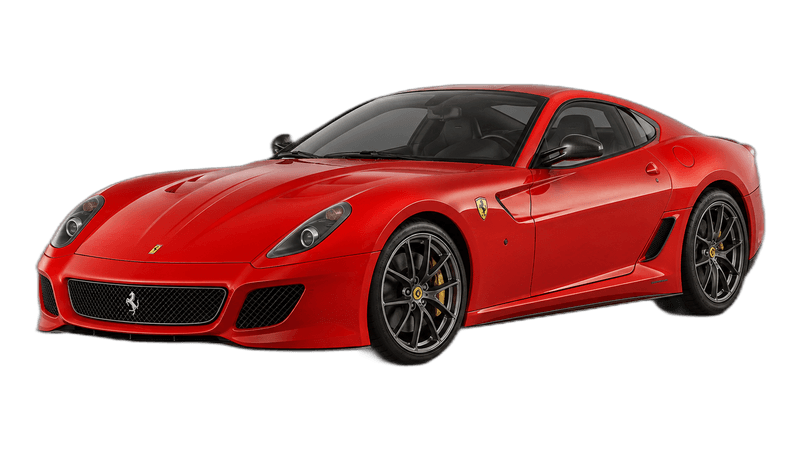
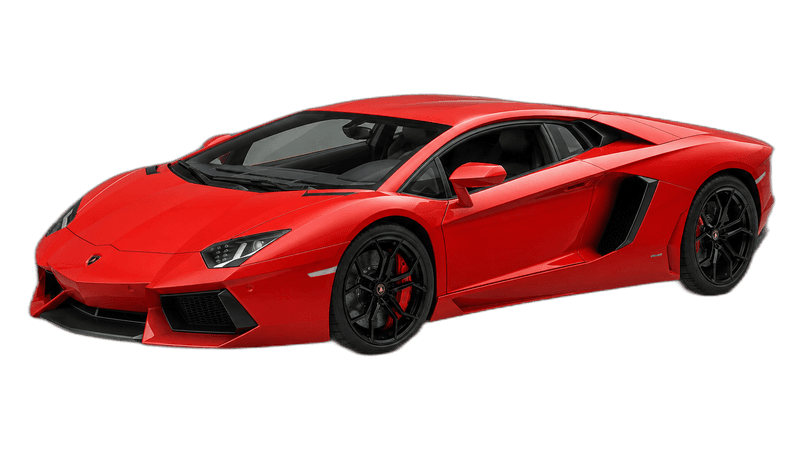
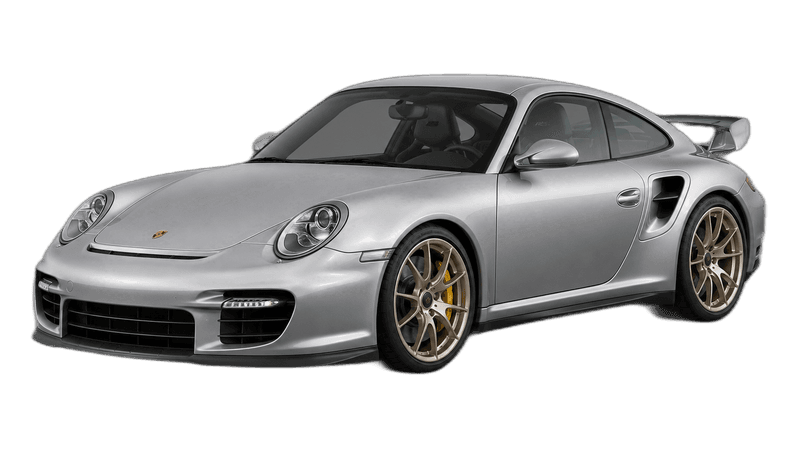
Of the 500 units, the final fifty were the Nürburgring Package variant, a more aggressive specification with a fixed rear wing, revised suspension, 10 bhp more (563 bhp total), and a Nordschleife lap time of 7:14.64. For context, that was faster than the Ferrari 599 GTO, the Lamborghini Aventador, and the Porsche 997 GT2 RS at the time of testing.
Beyond Its Brand
The LFA's tragedy, or perhaps its poetry, is that it was built by a brand most people associate with comfortable saloons and hybrid efficiency. Lexus had no supercar heritage, no racing pedigree in the European sense, no mythology to lean on. The LFA had to justify its existence purely on engineering merit. And it did.
Today, LFA values have appreciated from $375,000 to north of $1.5 million for standard cars, with Nürburgring Package examples reportedly trading above $3 million. Lexus has never built a successor. Tanahashi has said publicly that the LFA was a "once in a lifetime" project. The machinery, the team, the institutional willingness to lose money in pursuit of perfection, none of it is repeatable.
The LFA didn't need Ferrari's history, Porsche's racing record, or Lamborghini's theatrics. It needed only to be driven. That was enough.
In a world of turbocharging, hybridisation, and software-defined driving dynamics, the LFA stands as a monument to analogue purity. A naturally aspirated V10 that revs to nine thousand. A carbon fibre tub woven on a loom. A six-speed automated single-clutch gearbox because Tanahashi felt a dual-clutch was too heavy. Every decision optimised for feel, not specification sheets. It is, in every way that matters, the greatest car most people will never have the chance to own.