
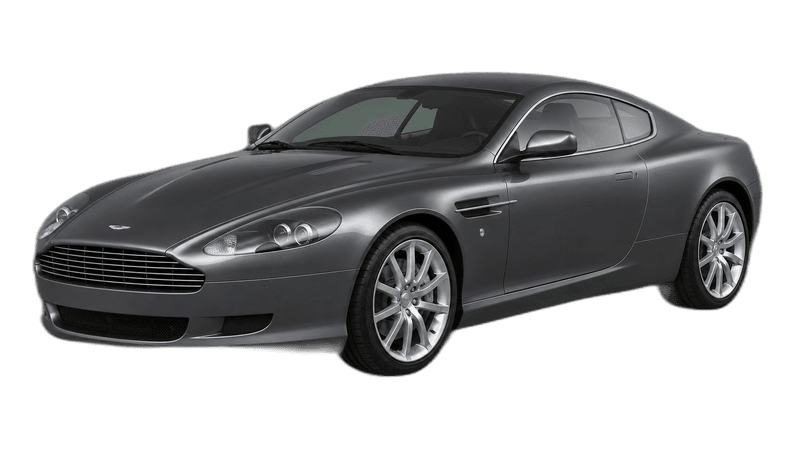
Aston Martin DB9
£48,000
usedIndicative market price, updated periodically.
540bhp
Power
4.5s
0-100 km/h
295km/h
Top Speed
£48,000
Price Used
How hard it pulls.
Peak g-force the instant you bury the throttle, estimated from the car's 0–100 time and drivetrain.
Aston Martin DB9Estimated peak launch g from the 0–100 time and drivetrain: an honest approximation, not a measured figure.
The Aston Martin DB9 is a grand tourer by Aston Martin, producing 540 bhp, and 620 Nm of torque, with a 0-100 km/h time of 4.5 seconds, and a top speed of 295 km/h, Valued at approximately £48,000.
Dream Car Garage Editorial · Last updated 24 October 2026
Overview
We have not driven this car. This review is based on published specifications, owner reports and market listings.
The case for the DB9
The DB9 launched the VH (Vertical-Horizontal) bonded-aluminium platform in 2004 and defined the modern Aston Martin grand tourer for over a decade. Its 5.9-litre naturally aspirated V12 produced 450 bhp at launch, increasing to 510 bhp by the end of production, and its styling remains one of the most admired of any modern car.
As a used buy, the DB9 offers an enormous amount of car for the money: a sonorous V12, a beautifully trimmed cabin and genuine 180 mph pace. It is comfortable enough for long journeys and special enough to feel like an event every time.
What it costs to run
Budget £800 to £1,200 for annual servicing at an independent specialist, more at a main dealer. The V12 is robust but its servicing is not cheap; spark plug and coil pack replacement is a known bigger job. Tyres are around £1,000 a set, and the steel brakes are reasonably priced. Fuel economy is 15 to 20 mpg. Many parts are shared with other Ford-era products, which helps.
The ZF Touchtronic automatic (six-speed in most cars) is strong. Early cars had a less polished five-speed; a Touchtronic II six-speed arrived with the 2009 updates.
Known weak points
The DB9's record is good for the class, but several items need checking. Corrosion can affect the steel subframes and suspension mounting points even though the main structure is aluminium. Front coil springs can corrode and snap, a well-documented issue. Electrical gremlins, window regulators and the infotainment are known irritations. Interior leather and switchgear wear on neglected cars. The air conditioning condenser is vulnerable to stone damage.
What to check before buying
Full service history with correct plug changes and fluid services. Inspect the structure and subframes for corrosion, the springs for cracks, and the wheels for damage. Check every electrical function, the air conditioning and the sat nav. Listen for suspension knocks and check tyre wear patterns. Verify any accident repairs are documented and high quality. A specialist inspection is strongly recommended.
Market and depreciation
DB9 values have been broadly flat for years. Early coupes start around £30,000 to £35,000, with the best late cars and Volantes from £50,000 to £70,000. The 2013-on facelifted cars with more power and better dynamics are worth the premium. This is a lot of V12 GT for the money and values appear to have stabilised.
Who it suits
The buyer who wants a beautiful, fast and usable V12 GT without supercar running costs or anxiety. A well-maintained DB9 can be used regularly and is one of the great modern-classic bargains.
Alternatives
Bentley Continental GT, Ferrari 612 Scaglietti, Maserati GranTurismo, or the later DB11.
The DB9's 5.9-litre naturally aspirated V12 is one of the great modern engines: smooth at a cruise, genuinely stirring at the top end, and central to the car's character. Output rose from 450hp at launch through 470hp to 510hp in later cars, and the six-speed automatic suits the GT brief perfectly. On the road the DB9 feels lighter and more delicate than its size suggests, with a supple ride that makes it a superb long-distance car. It is one of those rare cars that flatters both a commute and a continental run.
The most documented DB9 issue is corrosion of the front suspension springs, which can fracture; replacement with quality items is the fix and should be evidenced. Also check for fluid leaks from the engine and transmission, aging coolant hoses, and the condition of the aluminium brightwork. Interiors wear well overall, but check seat bolster condition and that every electrical function works. The door and boot seals can allow water ingress, so inspect carpets and the boot well for dampness.
Values span a wide range, with early cars remarkably affordable and late 510hp cars commanding more. The best buying strategy is a well-documented car with evidence of the spring fix and consistent specialist servicing, regardless of year. A cheap DB9 with gaps in its file is a false economy; the difference between a sorted car and a neglected one can be a five-figure rectification bill. Manual-converted cars exist but should be approached with caution and documentation.
The DB9 Volante offers open-air V12 motoring with minimal compromise, and its values track the coupe. The roof mechanism is reliable but should be operated and inspected. For buyers torn between the two, the coupe's sharper looks are balanced by the Volante's added theatre; both deliver the full DB9 experience.
The specialist network for DB9s is excellent, with established independents offering service, repair and upgrade work at meaningful savings over main dealers. Extended warranties are available and worth considering on a car of this complexity. The DB9's combination of beautiful styling, a magnificent engine and genuine usability has made it one of the most appreciated modern Astons, and its values reflect growing recognition of that. Buy a documented car from the specialist network, maintain it properly, and the DB9 will reward with one of the finest grand touring experiences available at any price.
Service costs at an independent specialist are reasonable by the standards of the class, with routine annual servicing typically in the £600 to £900 range and major items costing more. The DB9 community is large and knowledgeable, with active forums and owners' clubs providing a wealth of collective experience. Parts availability is good through both the dealer network and the specialists. The DB9's reputation for reliability is strong when maintained properly, and its values reflect the market's growing appreciation of one of the most beautiful and usable grand tourers of its era.
How this review was compiled
Research-based ownership review using Aston Martin specifications, independent buying guides and owner reports. We have not driven this car. Verify condition, service history and structural integrity for any individual car before purchase.
Specifications
Engine
5.9 L Aston Martin V12
Displacement
5.9L
Power
540 bhp
Torque
620 Nm
0-100 km/h
4.5s
Top Speed
295 km/h
Drivetrain
RWD
Country
UK
Body Style
Grand tourer
Years
2004–2016
Production
16,500
Price Used
£48,000
Specifications are manufacturer-published figures.
More from Aston Martin
Featured in Carpedia
Best Sports Cars Under €100,000 in 2026
Nine sports cars from €50,000 to €100,000 that deliver genuine GT-class performance, including a junior Aston, a Japanese analogue icon, and the most underrated Porsche money can buy.
Dream Car Garage on a Budget: 5-Car Builds Under 500K
Four complete 5-car dream garage builds, each totalling under GBP 500,000. From track-day weapons to Italian thoroughbreds, every build uses real market prices and delivers genuine variety.
Frequently Asked Questions
What are the specifications of the Aston Martin DB9?
The Aston Martin DB9 is a grand tourer by Aston Martin, producing 540 bhp, and 620 Nm of torque, with a 0-100 km/h time of 4.5 seconds, and a top speed of 295 km/h, Valued at approximately £48,000.
How much does a Aston Martin DB9 cost?
The Aston Martin DB9 has a used market value of approximately £48,000.
How many Aston Martin DB9 were made?
Aston Martin produced 16,500 units of the Aston Martin DB9.
Is the Aston Martin DB9 AWD or RWD?
The Aston Martin DB9 uses a RWD drivetrain configuration in a grand tourer body style.
What type of car is the Aston Martin DB9?
The Aston Martin DB9 is a gts manufactured by Aston Martin in UK. Production ran from 2004 to 2016.