
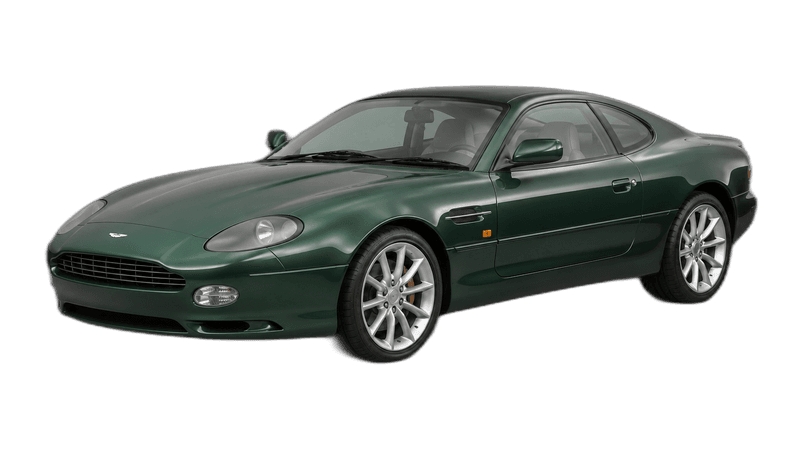
Aston Martin DB7 Vantage
£38,000
usedIndicative market price, updated periodically.
414bhp
Power
5.1s
0-100 km/h
298km/h
Top Speed
£38,000
Price Used
How hard it pulls.
Peak g-force the instant you bury the throttle, estimated from the car's 0–100 time and drivetrain.
Aston Martin DB7 VantageEstimated peak launch g from the 0–100 time and drivetrain: an honest approximation, not a measured figure.
The Aston Martin DB7 Vantage is a 2+2 coupe by Aston Martin, producing 414 bhp, and 542 Nm of torque, with a 0-100 km/h time of 5.1 seconds, and a top speed of 298 km/h, Valued at approximately £38,000.
Dream Car Garage Editorial · Last updated 24 October 2026
Overview
We have not driven this car. This review is based on published specifications, owner reports and market listings.
The case for the DB7 Vantage
The DB7 saved Aston Martin in the 1990s, and in 1999 the Vantage version gave it the engine it always deserved: a 5.9-litre V12 producing 420 bhp. The Vantage also brought chassis and brake upgrades to cope with the power, turning the pretty but modest six-cylinder car into a serious GT.
The DB7 is based on a much-modified Jaguar XJS platform from the Ford ownership era, which means parts are more available and affordable than for any other Aston. It is the cheapest way into V12 Aston Martin ownership, and the driving experience still feels special: a smooth, torquey engine, decent handling and one of the prettiest shapes of its era.
What it costs to run
This is the most affordable V12 Aston to maintain. Annual servicing at a specialist runs £600 to £1,000, and many Jaguar and Ford parts-bin components keep costs sensible. The V12 is fundamentally strong. Tyres, brakes and suspension parts are reasonable by Aston standards. Fuel economy is 15 to 20 mpg.
The biggest running-cost risk is neglect: many DB7s were bought cheaply and maintained poorly. A well-kept car is a bargain; a rough one can still generate bills.
Known weak points
Age is now the defining issue. Rust affects sills, floorpans, jacking points and the front chassis legs; the structure must be inspected carefully. Electrical gremlins are common: window regulators, alarm and immobiliser faults, and tired connectors. The automatic gearbox (a GM-sourced five-speed) is durable but needs fluid changes; the rare six-speed manual is more desirable. Coolant leaks and radiator condition matter, as does the state of the leather and wood trim, which deteriorates in sunlight.
What to check before buying
Structure first: get the car on a lift and inspect sills, floors and chassis legs for corrosion and poor past repairs. Check service history for regular maintenance, verify all electrics work, and look for coolant and oil leaks. On the automatic, confirm smooth shifts. Check that the air conditioning works; a regas may not fix a failed condenser. Interiors are expensive to retrim, so factor wear into your offer.
Market and depreciation
DB7 Vantage values bottomed years ago and have been creeping up. Coupes now range from around £20,000 for usable cars to £35,000-plus for the best low-mileage examples. Volantes and manuals carry premiums. The Vantage GT and GTA final editions are the most collectible. This is a modern classic with room to appreciate gently if you buy well.
Who it suits
The enthusiast who wants a beautiful V12 Aston on a modest budget and is prepared to maintain it properly. It is a usable classic GT, not a concours car.
Alternatives
Jaguar XKR, Porsche 911 (996), Maserati 4200 GT, or a DB9 at higher cost.
The DB7 range spans two very different cars: the supercharged straight-six with 335hp and the 1999-onward Vantage with its 5.9-litre V12 producing 420hp. The Vantage is the one most buyers seek, offering genuine pace and a grand touring character beneath the elegant shape. Underneath, the structure derives from the Jaguar XJS, which explains both its mature driving manners and some of its age-related weaknesses. A six-speed manual was offered alongside the automatic, and manuals are rarer and more sought after.
Corrosion is the DB7's defining inspection point: sills, floorpans, suspension mounting areas and jacking points all need careful examination, ideally on a lift. Air conditioning, window regulators and cooling systems also deserve attention, as does evidence of regular use, since neglected cars suffer. The good news is that parts support through the specialist network is strong, and service costs are moderate by Aston standards, with many items shared across the wider Ford-era parts bin.
Values make the DB7 Vantage the cheapest entry into V12 Aston ownership, and the gap between the best and worst cars is large. The economics of restoring a rough example rarely stack up, so buy the best car you can find: complete service book, sound structure and tidy interior. Manuals command a premium and are likely to remain the most collectable. An auction bargain can easily become the most expensive route to a good one.
The Volante convertible version offers open-air motoring with the same V12 character, and its values track the coupe closely. The roof mechanism should be checked thoroughly, as should the additional body flex that comes with the open format. For many buyers, the coupe's sharper looks and slightly better dynamics make it the choice, but the Volante has its own appeal for those who prioritise the open-air experience.
When choosing between a DB7 and a DB7 Vantage, the V12 is worth the premium: the performance transformation is significant, and the V12's character is central to the car's appeal. The straight-six cars are competent but lack the Vantage's presence and ultimate pace. Either way, the DB7 represents accessible Aston Martin ownership with genuine specialist support and a strong community. Buy the best example you can find, maintain it properly, and it will provide a thoroughly enjoyable introduction to the marque.
Common faults beyond corrosion include air-conditioning failures, window-regulator wear and cooling-system age-related issues. The interior leather can shrink on cars exposed to heat, and the headlamps can fog. None of these are expensive to address individually, but together they define the difference between a well-maintained car and a neglected one. The DB7 community is active and supportive, and the specialist network knows these cars intimately. For the buyer seeking accessible Aston Martin ownership with a strong support network, the DB7 Vantage is a sensible and enjoyable choice.
How this review was compiled
Research-based ownership review using Aston Martin specifications, marque-specialist guidance and owner reports. We have not driven this car. Verify structural condition and service history for any individual car before purchase.
Specifications
Engine
5.9 litre5935 cc(362.176 cu in) V 12 in 60° vee naturally aspirated petrol
Displacement
5.9L
Power
414 bhp
Torque
542 Nm
0-100 km/h
5.1s
Top Speed
298 km/h
Drivetrain
RWD
Country
UK
Body Style
2+2 coupe
Years
1999–2004
Price Used
£38,000
Specifications are manufacturer-published figures.
More from Aston Martin
Frequently Asked Questions
What are the specifications of the Aston Martin DB7 Vantage?
The Aston Martin DB7 Vantage is a 2+2 coupe by Aston Martin, producing 414 bhp, and 542 Nm of torque, with a 0-100 km/h time of 5.1 seconds, and a top speed of 298 km/h, Valued at approximately £38,000.
How much does a Aston Martin DB7 Vantage cost?
The Aston Martin DB7 Vantage has a used market value of approximately £38,000.
Is the Aston Martin DB7 Vantage AWD or RWD?
The Aston Martin DB7 Vantage uses a RWD drivetrain configuration in a 2+2 coupe body style.
What type of car is the Aston Martin DB7 Vantage?
The Aston Martin DB7 Vantage is a gts manufactured by Aston Martin in UK. Production ran from 1999 to 2004.