Die besten Autos zum Fahren
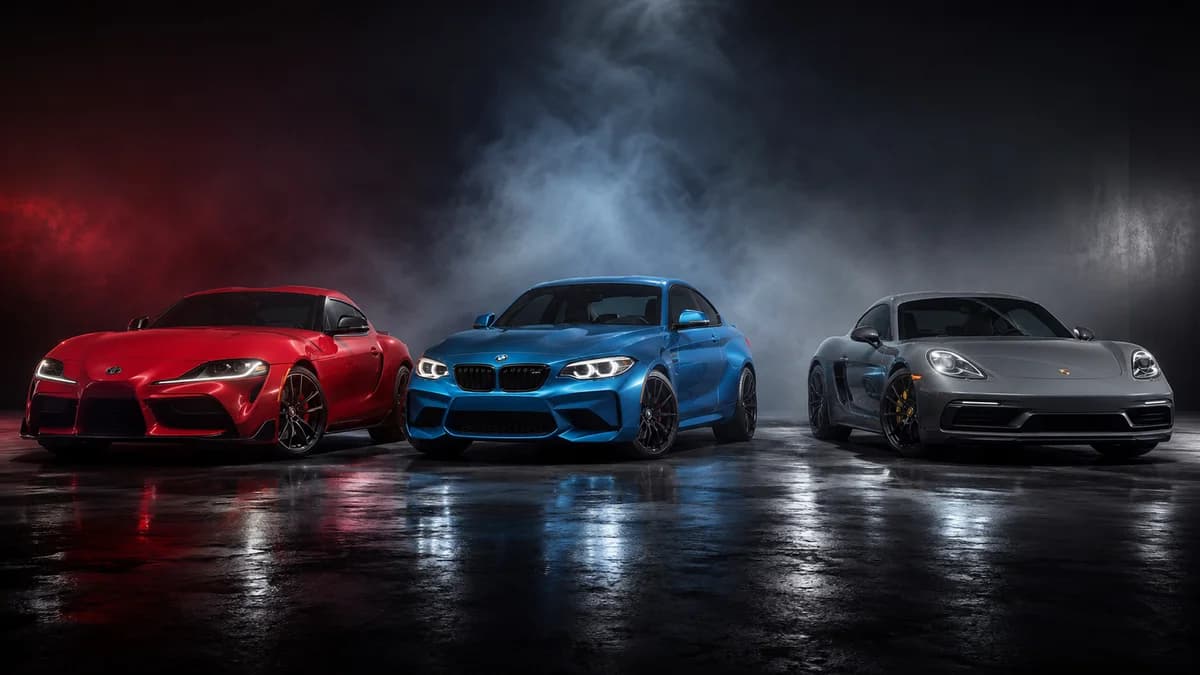
Die interessantesten Autos der Welt sind nicht unbedingt die schnellsten. In der Kategorie zwischen £50,000 und £80,000, wo ernsthafte Leistung für ernsthafte Enthusiasten zugänglich ist, ohne eine Hypothekenneubewertung zu erfordern, sind die technischen Diskussionen oft ehrlicher, fokussierter und aufschlussreicher als jene, die zum zehnfachen Preis geführt werden. Der Toyota GR Supra, BMW M2 und Porsche 718 Cayman GTS 4.0 existieren in dieser Kategorie, und jeder von ihnen wurde von Ingenieuren gebaut, denen zutiefst wichtig ist, was es bedeutet, ein Auto gut zu fahren.
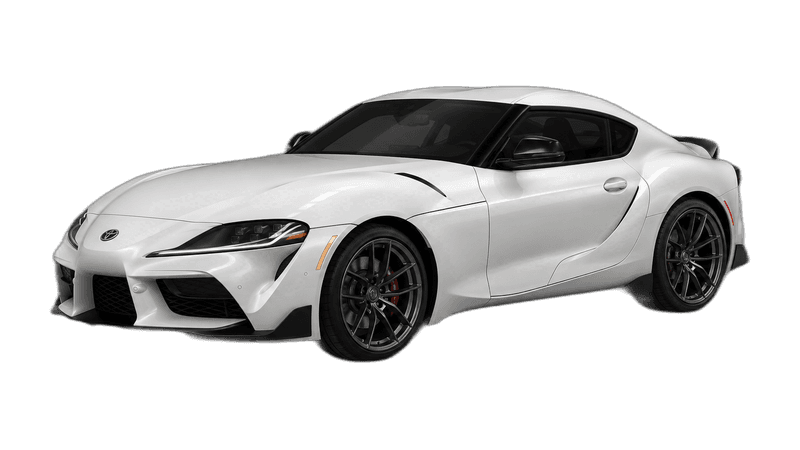
Der GR Supra ist das politisch komplexeste Auto der drei: ein Toyota-Emblem auf einer von BMW konstruierten Plattform, mit einem Motor identisch zum S58-Reihensechszylinder des M2 in der 3.0-Version. Kritiker haben hinterfragt, ob ein Sportwagen auf Partnerschaftsbasis echte Identität haben kann.
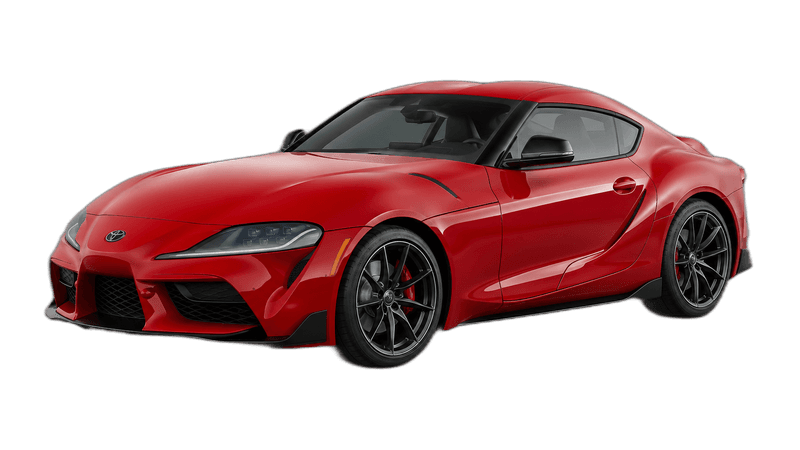
Der GR Supra antwortet durch seine Fahrwerksabstimmung: Toyotas Ingenieure haben die Federraten neu abgestimmt, die drehzahlabhängige Lenkung neu kalibriert und die elektronischen Stabilitätsparameter angepasst, um ein Auto zu schaffen, das sich trotz geteilter Plattform mit dem BMW Z4 überhaupt nicht wie einer anfühlt. Das Ergebnis ist ein Fahrerauto mit echter Kommunikation von vorne nach hinten, einer niedrigen Gürtellinie, die die Sicht verbessert, und einer Leistungsentfaltung, die jetzt in der GR Supra 3.0 Pro Spezifikation mehr als ausreichend für das Fahrwerk ist.
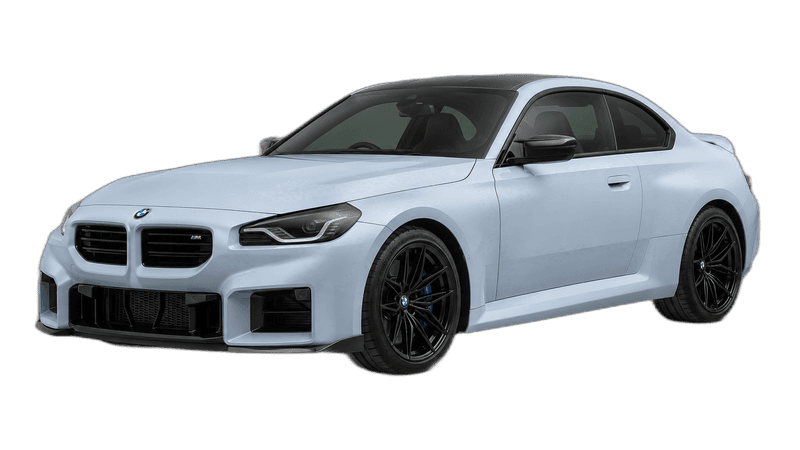
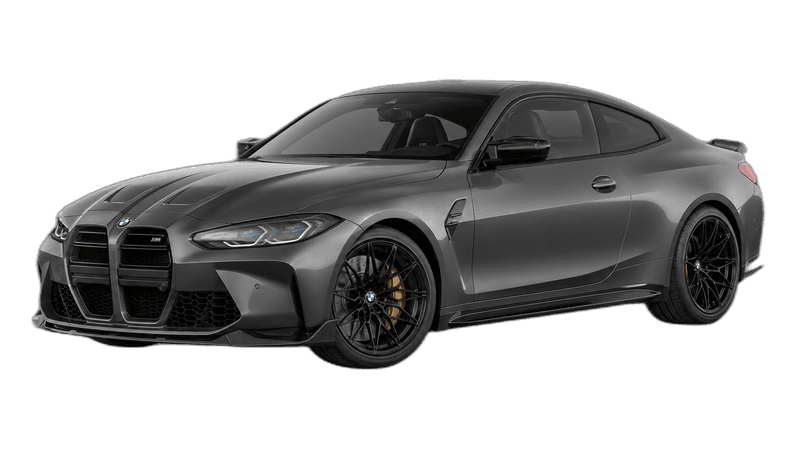
Der BMW M2 argumentiert über Intensität. In der G87-Spezifikation nutzt er den S58-Reihensechszylinder aus M3 Competition und M4 Competition: einen vollwertigen M-Motor in einer kürzeren, schmaleren Karosserie als seine Geschwister. Das Ergebnis ist ein Auto mit mehr Leistung als jeder Vorgänger-M2, einem Allradsystem, das für jene, die Hinterradantrieb bevorzugen, vollständig deaktiviert werden kann, und einem Charakter, der das Territorium zwischen der Präzision des M3 und der Rohheit des Vorgänger-M2 besetzt.
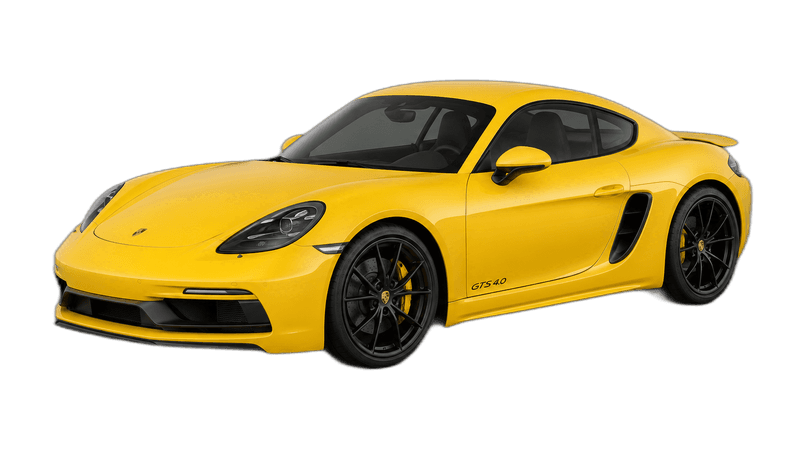
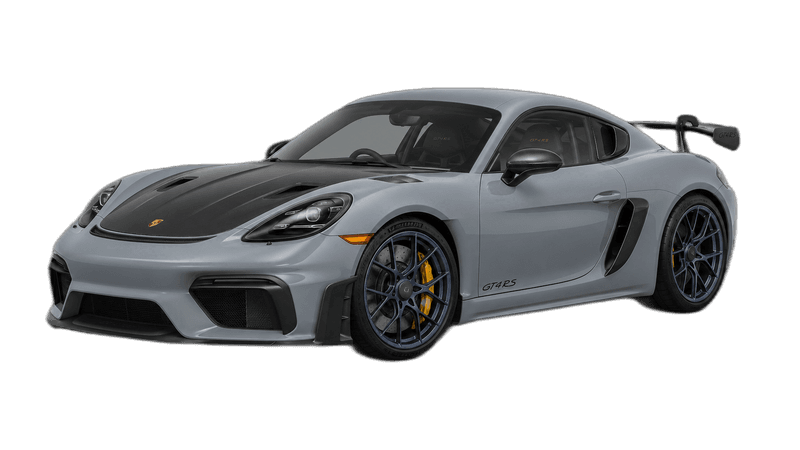
Er ist in gewisser Hinsicht das letzte traditionelle M-Auto, bevor die Elektrifizierung ein grundlegendes Umdenken der M-Formel erzwingt. Der Porsche 718 Cayman GTS 4.0 ist der Außenseiter, der das Duell zwischen Toyota und BMW fast akademisch wirken lässt. Sein 4,0-Liter-Saugmotor-Boxersechszylinder, eine Version des im GT4 RS verwendeten Aggregats, gedrosselt auf 395 bhp, produziert einen Klang und einen mechanischen Charakter, den keiner der beiden Turbo-Rivalen auch nur annähernd erreicht.
Ab 4.500 U/min beginnt der Boxermotor des Cayman zu singen; bei 7.000 U/min tut er etwas, das kein aufgeladener Motor unabhängig von der Leistung replizieren kann. In einer Kategorie, in der Charakter mehr zählt als absolute Leistung, ist das Argument des Cayman am schwersten zu entkräften.
Die Zahlen
Toyota GR Supra 3.0 Pro: Die Neuinterpretation
Der GR Supra 3.0 Pro produziert 382 bhp und 500 Nm aus seinem BMW-stammenden B58-Reihensechszylinder: Werte, die eine Steigerung von 7 bhp gegenüber dem Standard-GR-Supra-3.0 darstellen, zusammen mit zusätzlicher Fahrmodus-Individualisierung. Toyotas Fahrwerksingenieure arbeiteten mit den Entwicklungsfahrern des GR-Programms zusammen, um das Maximum aus der Hinterradantriebs-Plattform herauszuholen: Die Vorderachs-Geometrie wurde überarbeitet, um Untersteuern zu reduzieren, das Torque-Vectoring-Differenzial wurde für sanfteren Kraftfluss neu abgestimmt, und die variable Lenkung wurde für gleichmäßigeres Feedback über den gesamten Geschwindigkeitsbereich neu kalibriert.
Mit 4,1 Sekunden auf 100 km/h ist der Supra nicht der schnellste der drei; auf der Rennstrecke ist er jedoch der zugänglichste und belohnt Fahrer, die progressiv mit Lenkung und Gas arbeiten, ohne die Präzision eines voll engagierten Rennfahrers zu erfordern.
BMW M2 (G87): Der letzte reine M
Der G87 M2 ist der leistungsstärkste Standard-M2 in der Modellgeschichte: 523 bhp aus dem S58-Reihensechszylinder, 650 Nm Drehmoment und ein Fahrwerk, das Hinterradantriebs-Engagement mit der Option auf Allrad-Sicherheit bietet. Der Radstand des M2 ist kürzer als der des M3, was das Gewicht auf eine kleinere Grundfläche konzentriert und ein Auto hervorbringt, das williger einlenkt und am Limit mehr Fahrerinput erfordert.
Im Hinterradantriebs-Modus, mit deaktivierter Stabilitätskontrolle, ist der G87 M2 der viszeralste der drei: derjenige, der am ehesten ein anhaltendes Leistungsübersteuern produziert, das echte Fahrzeugbeherrschung erfordert. Seine 3,8-Sekunden-0-100-km/h-Zeit ist die schnellste der Gruppe; das Gefühl, dass das Auto leicht jenseits der Komfortzone des Fahrers operiert, ist sein größtes Vergnügen und sein primäres Risiko.
Porsche 718 Cayman GTS 4.0: Das Klangargument
Der Cayman GTS 4.0 nutzt Porsches 4,0-Liter-Saugmotor-Boxersechszylinder in einer Abstimmung, die mechanische Ehrlichkeit über pure Leistung stellt: 395 bhp, 420 Nm und eine Drehzahlgrenze von 7.800 U/min, die den Fahrer einlädt, bei jeder Fahrt den vollen Drehzahlbereich zu erkunden. Das Mittelmotorlayout liefert eine 46/54-Gewichtsverteilung, die ein Fahrverhalten von außergewöhnlicher Qualität hervorbringt: Der Cayman neigt weder zum Untersteuern wie ein frontlastiges Auto noch zum Übersteuern wie ein hecklastiges, sondern dreht präzise um den Fahrer herum auf eine Weise, die jede Änderung des Gripniveaus durch die Lenkung kommuniziert.
Die Handschaltungsoption (ohne PDK) verstärkt dieses Engagement weiter: Der GTS 4.0 mit Handschaltung ist eine der befriedigendsten mechanischen Beziehungen zwischen Fahrer und Auto, die aktuell in Produktion ist, zu jedem Preis. Er bewältigt 0–100 km/h in 4,5 Sekunden, der langsamste der drei, und dennoch wird er auf einer anspruchsvollen Landstraße mindestens genauso schnell in Kurven einfahren wie der BMW und sie mit mehr Information und mehr Gelassenheit verlassen.
Fazit
Der BMW M2 ist das aufregendste Auto der drei: dasjenige, das am ehesten ein unvergessliches Erlebnis durch eine Kombination aus Leistung, Aggressivität und einem Fahrwerk produziert, das Können mit außerordentlichem Tempo belohnt. Er ist die Wahl für Fahrer, die herausgefordert werden wollen. Der Toyota GR Supra ist der zugänglichste Weg zu echtem Sportwagen-Erlebnis: näher am Limit einfacher zu fahren als der BMW, kultivierter als beide Rivalen und nachsichtiger auf der unvollkommenen Straße, die den Großteil des Fahrens ausmacht. Er ist die Wahl für Fahrer, die jeden Tag zügig vorankommen wollen, ohne Zwischenfall.
Der Porsche 718 Cayman GTS 4.0 ist jedoch das Auto, mit dem die anderen beiden von den Enthusiasten verglichen werden, denen am wichtigsten ist, wie sich Fahren tatsächlich anfühlt. Er ist fast eine Sekunde langsamer auf 100 km/h als der BMW; das ist irrelevant. Kein aufgeladener Reihensechszylinder produziert den Klang oder die mechanische Textur eines Saugmotor-Boxersechszylinders bei 7.600 U/min. In dieser Kategorie sind das die Qualitäten, die am längsten in der Erinnerung bleiben, und der Cayman liefert sie zu einem Preis, der das Argument unmöglich von der Hand zu weisen macht.