A Cathedral of Speed
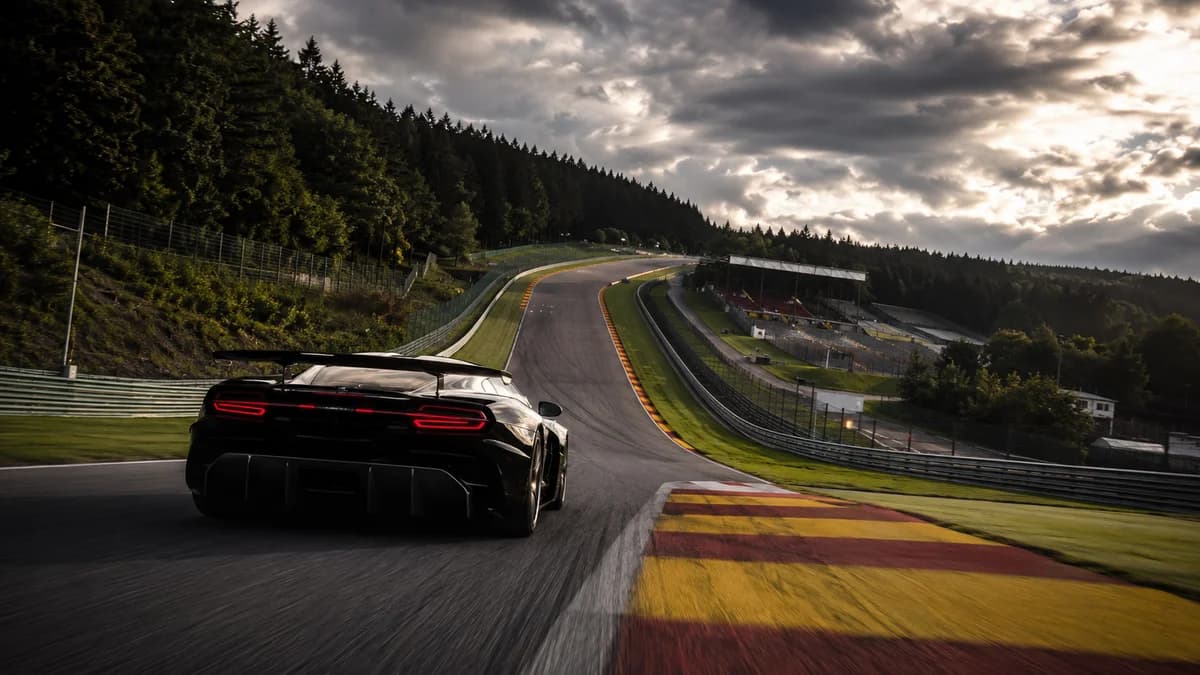
Spa-Francorchamps occupies a singular position in the imagination of anyone who has watched motorsport. The circuit that sweeps through the Ardennes forest in the Belgian Liège province is not merely fast: it is deliberately, architecturally fast, designed around the philosophy that the highest-speed sections should be the most technically demanding. The Raidillon blind crest that launches cars airborne at over 250 km/h, Pouhon's high-speed double-left taken flat in modern downforce cars, and the long Kemmel Straight where terminal velocity becomes academic: Spa rewards commitment with the purest expression of what a fast car can feel like.
The circuit's history stretches to 1921, when it was first used for the Belgian Grand Prix. For most of its existence it ran as the old 14-kilometre layout, so demanding that it was banned from Formula 1 after 1970 on safety grounds, before being partially redesigned and reopened in 1983. The modern 7.004-kilometre configuration retains Eau Rouge, Raidillon, Blanchimont, and the Bus Stop chicane, losing some of the wilder original stretches but preserving the character that makes it the most popular track on the professional calendar. Drivers consistently vote it their favourite circuit; engineers consistently rate it the hardest to set up for.
For production car testing, Spa's demands are specific: a car must generate both high downforce for Pouhon and low drag for the Kemmel Straight. It must brake hard and late for La Source, then immediately trust its aero balance through the Raidillon complex. It must manage tyre wear across high-speed sustained loading and thermal stress from the Bus Stop's late-brake zone. The cars below have answered every one of these requirements, some with elegance, some with brute force, all with conviction.
The Fast Line
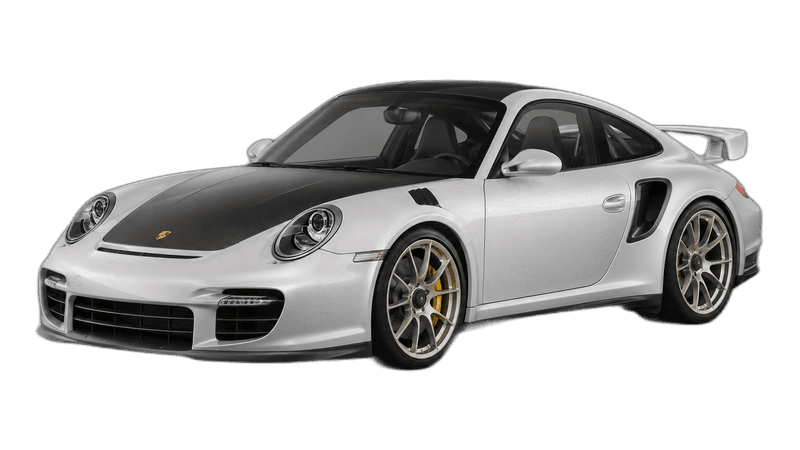
1. Porsche 911 GT2 RS (991): 2:23.0 (approximate, 2017 testing)
Porsche's 700 bhp twin-turbo GT2 RS has been used extensively at Spa for both development validation and customer events. The car's rear-biased balance and PDK transmission allow it to exploit Blanchimont's banking at speeds that would unsettle lesser machines. Its position at the top of the production car rankings on this circuit reflects the same characteristics that make it a Nordschleife record holder: supreme composure at the limit.
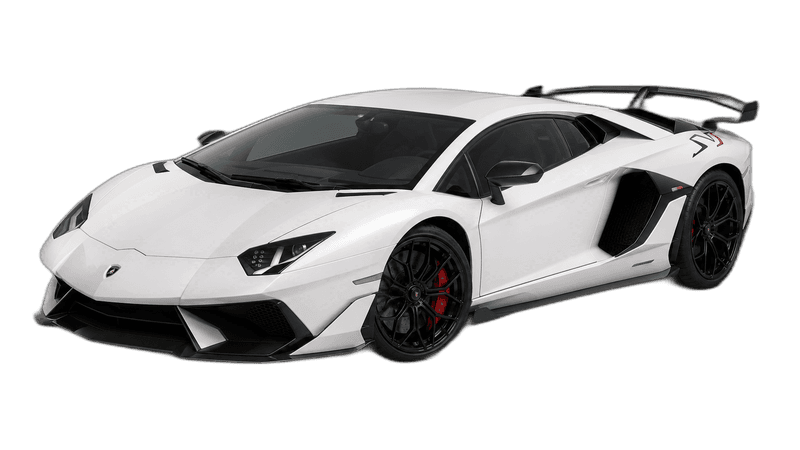
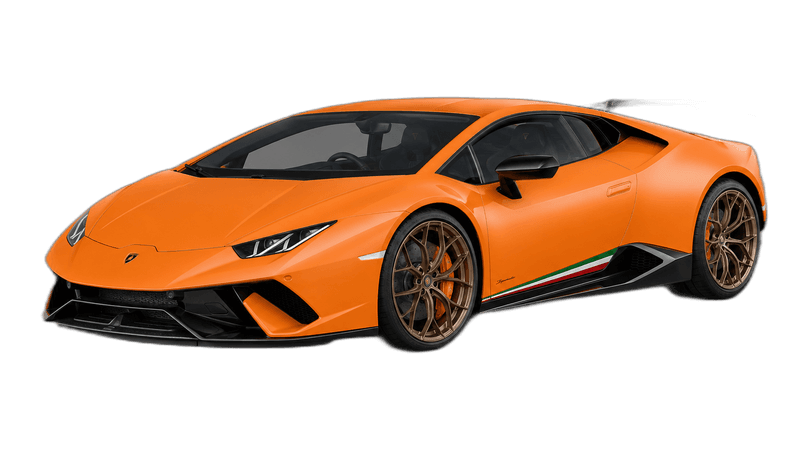
2. Lamborghini Aventador SVJ: approximately 2:24.5 (2018 testing)
The SVJ's ALA active aerodynamic system was developed partly using Spa data. The circuit's combination of high-speed corners and long straights exposed every weakness in the original Aventador's passive aero setup; ALA's ability to trim drag on Kemmel while loading the rear axle through Pouhon transformed the car's competence. Marco Mapelli's test laps produced data that directly informed the SVJ's final aerodynamic calibration.
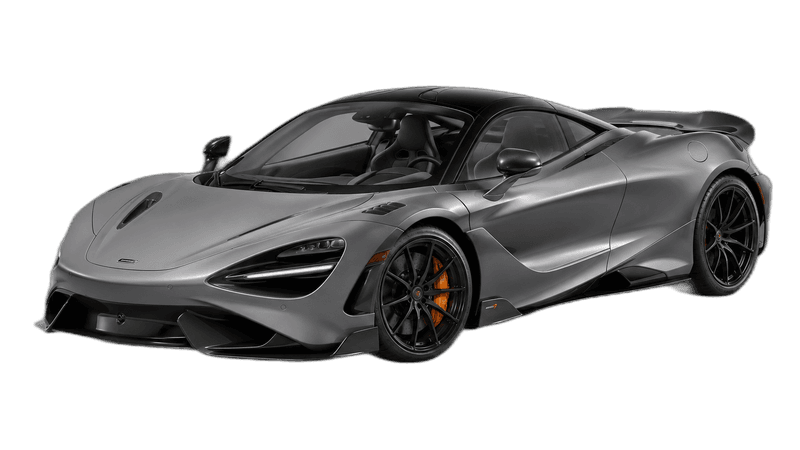
3. McLaren 765LT: approximately 2:26.8 (2021 track session)
The 765LT's 765 bhp twin-turbo V8 and carbon-ceramic brakes are particularly well-suited to Spa's rhythm, long straights broken by heavy braking zones, demanding both power density and deceleration force. The LT's lightweight focus (1,229 kg dry) gives it a power-to-weight advantage that becomes decisive at circuit speed.
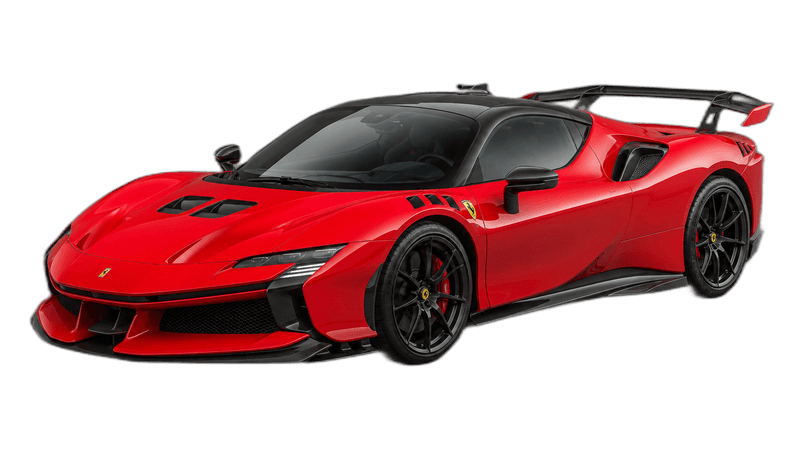
4. Ferrari SF90 XX Stradale: approximately 2:26.0 (2023 development)
The SF90 XX, Ferrari's track-optimised version of the SF90, with 1,030 bhp, active aerodynamics, and Michelin Cup 2R tyres, produced lap data during development suggesting performance broadly comparable to the GT2 RS. Ferrari has not officially published a Spa time, but the car's credentials, derived from Le Mans-class aerodynamic research, suggest it is among the fastest road cars ever to complete a lap of this circuit.
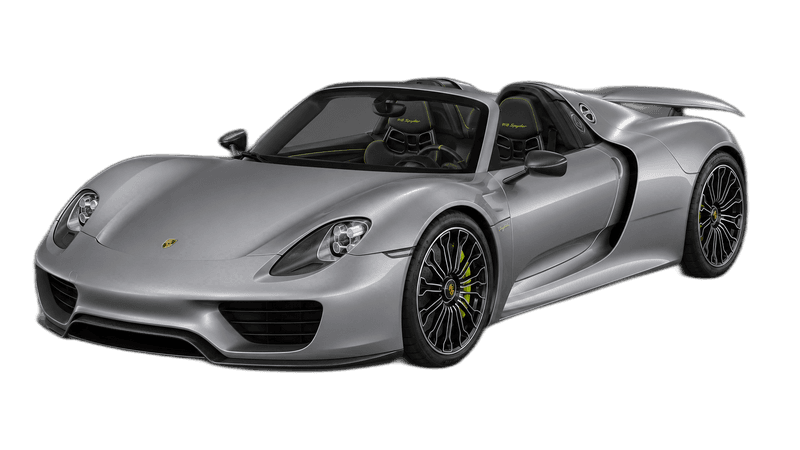
5. Porsche 918 Spyder: approximately 2:28.0 (2013 testing)
The 918's 2013 Spa testing, conducted during the global record-attempt tour that preceded its production sign-off, demonstrated the hybrid hypercar's comprehensive capability. On a circuit that rewards both straight-line energy and corner-exit traction, the 918's four-wheel drive hybrid system delivered meaningful advantages over pure combustion competitors.
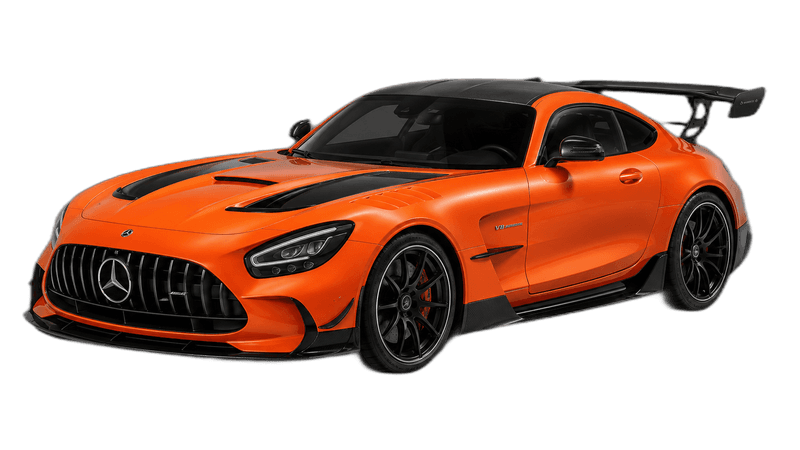
6. Mercedes-AMG GT Black Series: approximately 2:27.0 (2020-21 media testing)
AMG's most focused GT road car produced consistent sub-2:28 lap times during media driving programmes at Spa in 2020-21. Its 730 bhp flat-plane biturbo V8, combined with the Aerodynamics Package's adjustable front splitter and rear wing, gave drivers confidence at Raidillon that translated directly to committed lap times. This is AMG GT at its most uncompromising.
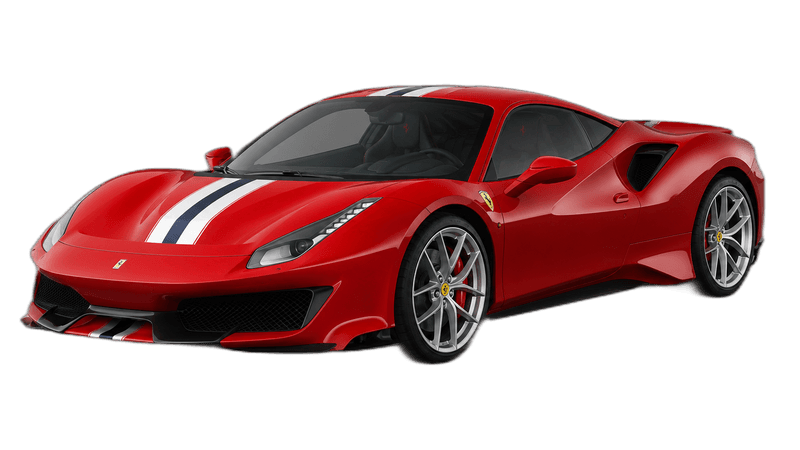
7. Ferrari 488 Pista: approximately 2:30.5 (2018 programme)
The 488 Pista's 720 bhp naturally aspirated-feeling turbocharged V8 and 1,280 kg kerb weight place it in an elite tier of track-focused production cars. Ferrari's Side Slip Control 6.1 and Michelin Pilot Sport Cup 2 tyres gave it the mechanical security to exploit Spa's high-speed demands without sacrificing the tactile feedback that makes driving on the limit rewarding rather than terrifying.
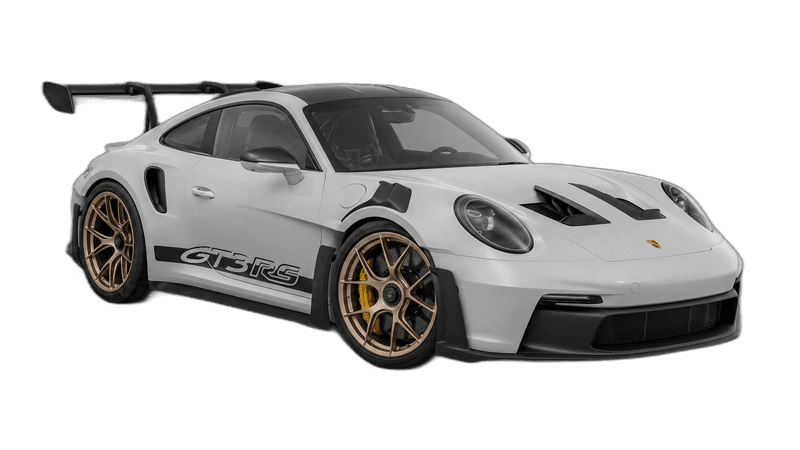
8. Porsche 911 GT3 RS (992): approximately 2:29.5 (2022)
The 992 GT3 RS's fixed rear wing, so large it inspired genuine controversy at its debut, generates the downforce that makes Eau Rouge a non-event and Pouhon genuinely flat. With 525 bhp from its naturally aspirated flat-six and PDK, the GT3 RS delivers precision rather than force, tracing the ideal line through Spa's complex middle sector with the consistency of a car tuned on this very circuit.
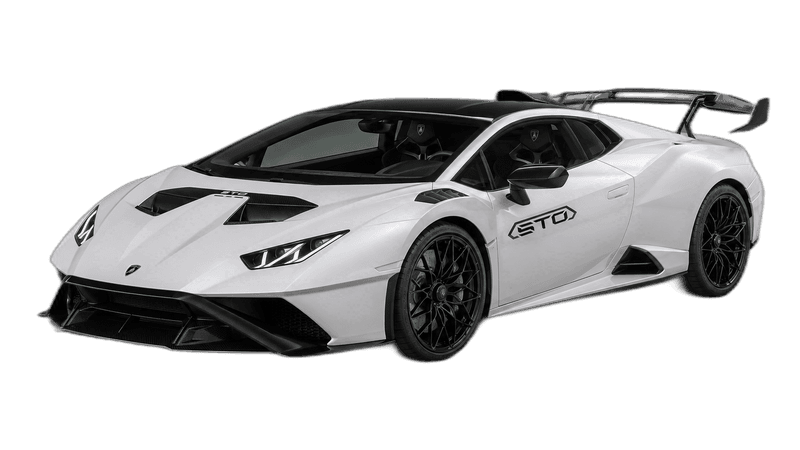
9. Lamborghini Huracán STO: approximately 2:33.0 (2021 testing)
The Super Trofeo Omologata is Lamborghini's track-to-road flagship in the Huracán range, a car built around the aerodynamic lessons of the one-make racing series. Its Spa performance reflects a balance between the Performante's ALA-system adaptability and the raw downforce of the full racing variant, producing times that regularly surprise those who underestimate its rear-wheel drive chassis.
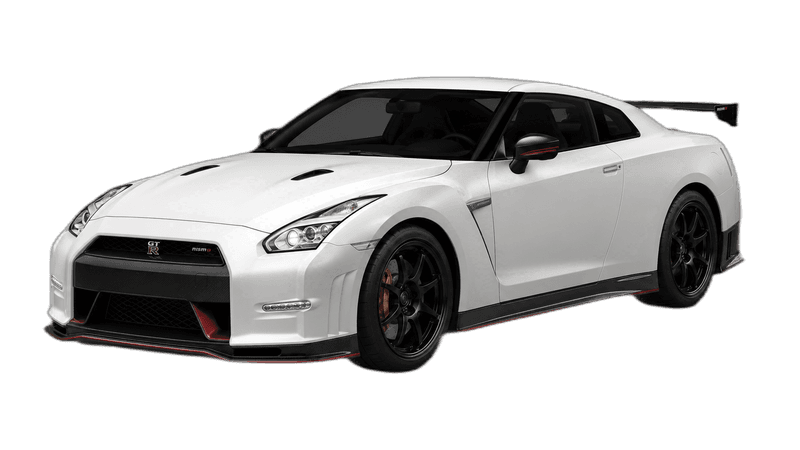
10. Nissan GT-R Nismo: approximately 2:36.0 (estimated from class)
The GT-R Nismo's all-wheel drive chassis and 600 bhp twin-turbocharged V6 make it a circuit weapon of unusual character, less flamboyant than the Italian competition but devastatingly effective through the technical sections. At Spa, the GT-R's four-wheel drive traction advantage on corner exit from La Source and the Bus Stop chicane compensates for its relative aerodynamic conservatism on the high-speed sections.
The Ardennes Verdict
Spa's enduring authority as a performance benchmark derives from its refusal to reward one-dimensional excellence. A car that is merely fast in a straight line meets its limitations at Eau Rouge. A car that is merely grippy finds itself overwhelmed on the Kemmel Straight. The fastest cars here are those that have reconciled every demand the circuit places simultaneously, and that remains the highest tribute any piece of tarmac can pay to a manufacturer's ambition.