The Man Who Sold Cars to Go Racing
Enzo Ferrari never wanted to be a car manufacturer. He wanted to be a racing team owner. The road cars, the 250 GTs, the 275 GTBs, the Daytonas, were a necessary evil, a revenue stream to fund the Scuderia's insatiable appetite for competition. "I sell cars to go racing," he said, and he meant it literally. Every lira from every road car sale went directly into the Formula 1 programme, the sports car championship, and the endless pursuit of the chequered flag.
This inversion of priorities, racing first, commerce second, created something extraordinary. Unlike manufacturers who built race cars from road car platforms, Ferrari built road cars from racing technology. The Colombo V12 was a racing engine that happened to fit in a GT car. The transaxle layout of the 275 GTB came from Le Mans experience. The mid-engine configuration of the Dino 206 was pure Formula 2 thinking applied to a road-going coupé.
The 250 GTO Era: When Racing Was Religion
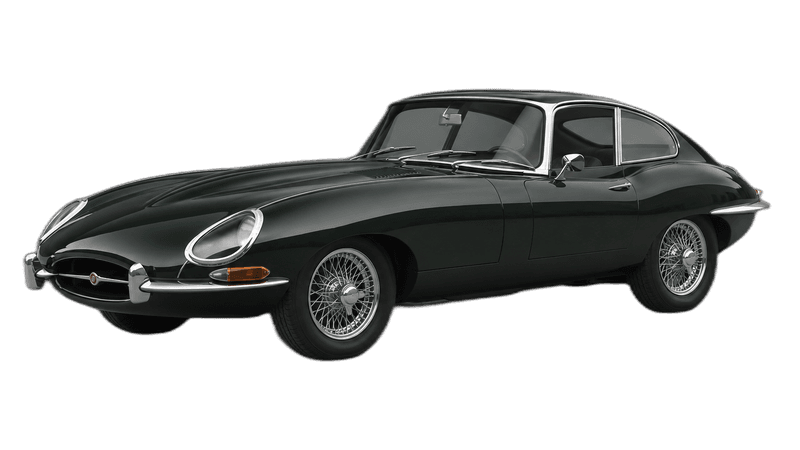
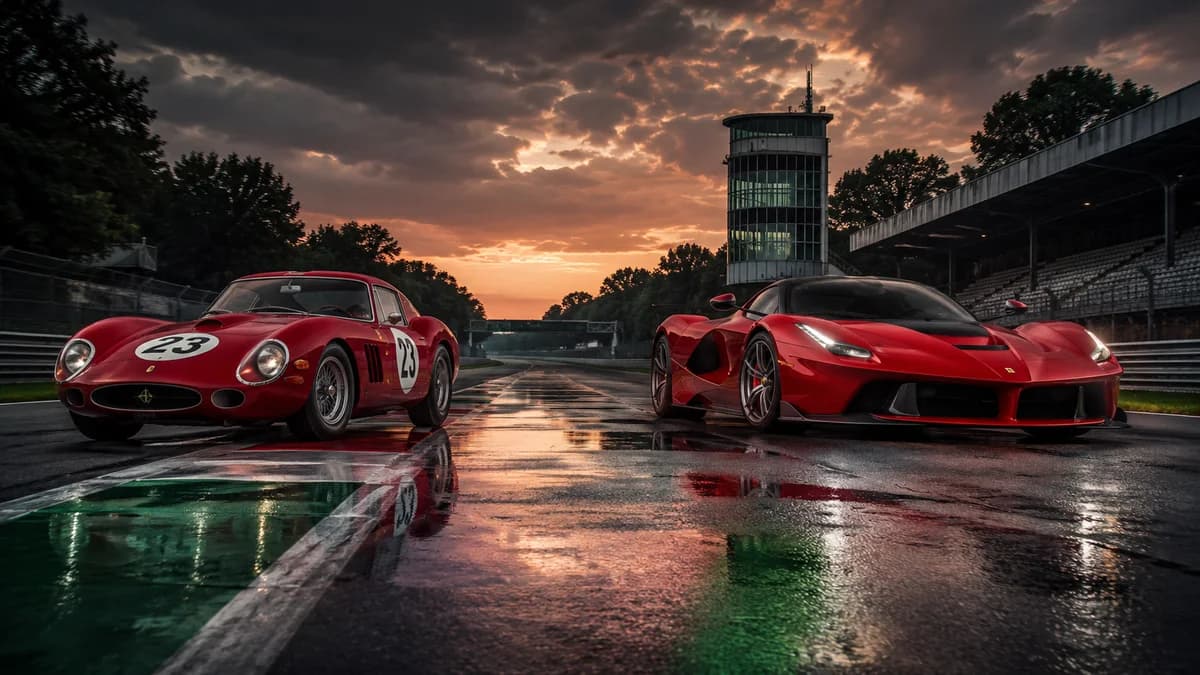
Between 1962 and 1964, the Ferrari 250 GTO dominated GT racing with a ferocity that modern homologation specials can only dream of. Just 36 were built, the minimum required for FIA Group 3 homologation, each one a hand-fettled evolution of the 250 GT platform with a 3.0-litre Colombo V12 producing approximately 300 bhp. The GTO won the FIA World Manufacturers' Championship three consecutive years, beating Shelby's Cobras, Jaguar's E-Types, and Aston Martin's DB4 GTs on tracks from Sebring to the Nürburgring.
Stirling Moss called the 250 GTO "the most beautiful racing car ever made." At auction in 2018, one sold for $48.4 million, the highest price ever paid for a car. Enzo would have spent it all on next year's F1 engine.
The GTO's legend rests not just on its victories but on its dual nature. Owners drove them to the circuit on public roads, raced all afternoon, and drove home. Phil Hill once described the 250 GTO as "a racing car that could take you to dinner afterwards." That versatility, competition machine and grand tourer in one, became the template for every Ferrari that followed.
Formula 1: The Beating Heart
Ferrari has competed in every Formula 1 World Championship since the inaugural season in 1950. No other constructor comes close. The Scuderia has won 16 Constructors' Championships and produced 15 Drivers' Champions, from Alberto Ascari in 1952 to Michael Schumacher's five consecutive titles from 2000 to 2004. The F1 programme has consumed billions in investment, broken thousands of engines, and produced some of the most memorable moments in motorsport history.
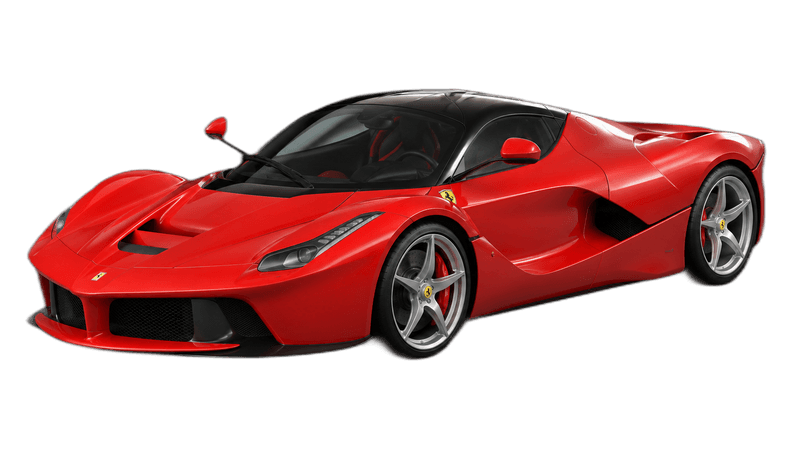
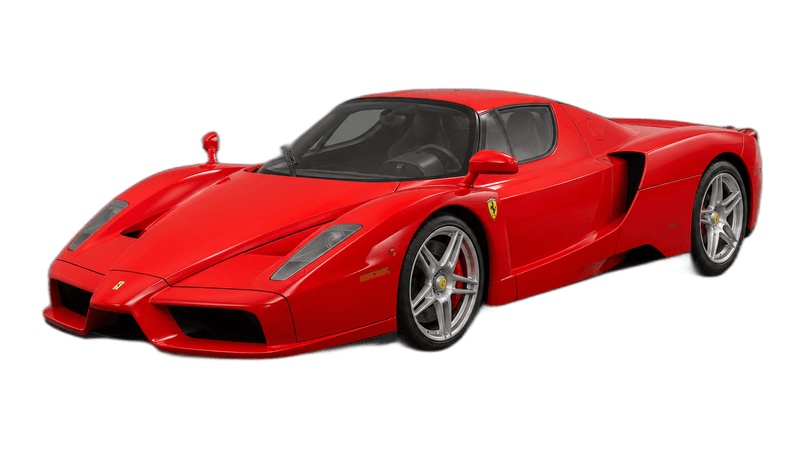
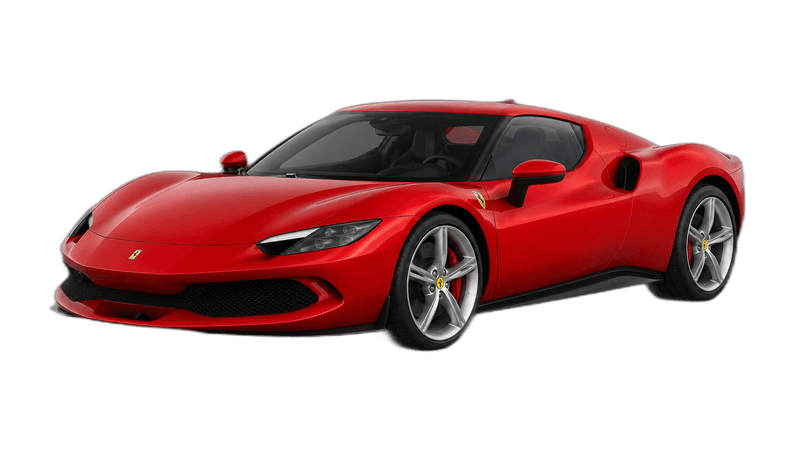
What matters for the road cars is not the trophy count but the technology transfer. The 1989 Ferrari 640 introduced the semi-automatic gearbox to F1, by 1997, the F355 F1 offered the same technology to road car buyers. Carbon-ceramic brakes, first developed for the F1 programme, appeared on the Enzo in 2002. The LaFerrari's HY-KERS hybrid system was a direct descendant of the F1 kinetic energy recovery system that debuted in 2009. Even the 296 GTB's 120-degree V6 architecture mirrors the current F1 power unit layout.
Le Mans: The Return
For decades, Ferrari's Le Mans legacy was frozen in the amber of the 1960s, the era of the 250 P, 275 P, and 330 P that won nine times between 1949 and 1965 before Ford's GT40 programme shattered the dynasty. Ferrari withdrew from prototype racing to focus on F1, and the le Mans trophy cabinet gathered dust for over fifty years.
Then, in 2023, Ferrari returned to Le Mans with the 499P hypercar and won on its first attempt. The 499P, powered by a 3.0-litre twin-turbo V6 hybrid producing 690 bhp, beat Toyota, Porsche, Cadillac, and Peugeot to claim the 24 Hours outright. Alessandro Pier Guidi, James Calado, and Antonio Giovinazzi drove car #51 to victory, completing 342 laps over 5,003.28 km. Ferrari won again in 2024, cementing the 499P as a legitimate successor to the prototype racers of the 1960s.
The Road Cars: Racing in Evening Dress
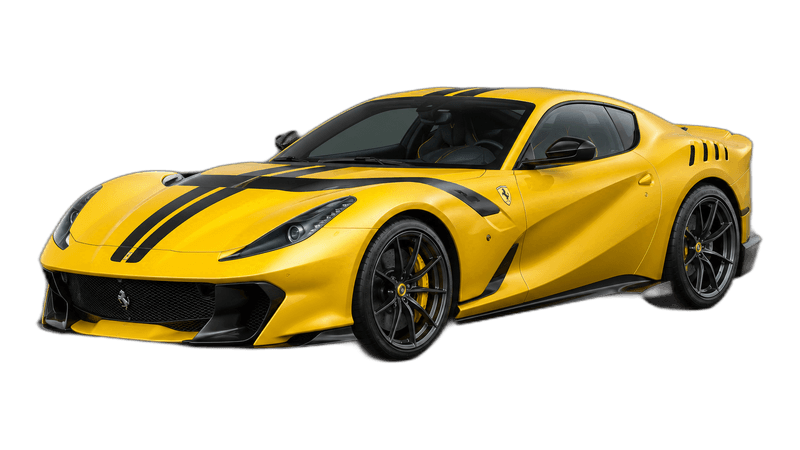
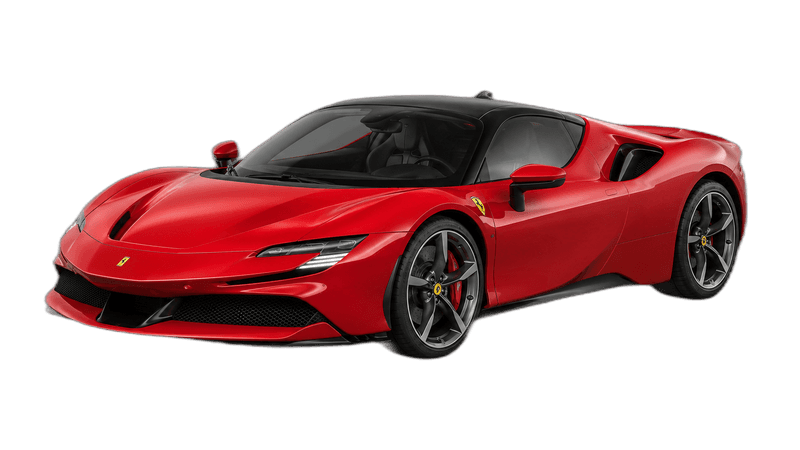
Every modern Ferrari carries its racing DNA in ways both visible and invisible. The 296 GTB's V6 architecture comes directly from the F1 power unit. The SF90 Stradale's 986 bhp hybrid powertrain uses e-turbo technology developed for endurance racing. The 812 Competizione's naturally aspirated V12, revving to 9,500 rpm, uses titanium con-rods and intake runners derived from the Tipo 049 F1 engine.
Even the less obvious details trace back to competition. The side-slip control system in every modern Ferrari was originally developed to help F1 drivers manage traction in wet conditions. The Manettino switch on the steering wheel, the dial that selects between driving modes, is a direct copy of the F1 steering wheel's mode selector. The carbon fibre construction techniques used in the LaFerrari's monocoque were perfected in the F1 chassis programme.
Ferrari does not build road cars that look like race cars. It builds race cars that are civilised enough to register for road use. The distinction is everything.
The Philosophy Endures
Enzo Ferrari died in 1988, but his philosophy, sell road cars to fund racing, has proven more durable than the man himself. Ferrari SpA is now a publicly listed company worth over €70 billion, yet the Scuderia still consumes a disproportionate share of resources. The F1 team's annual budget exceeds $400 million. The WEC hypercar programme adds another hundred million. Every road car sold, every branded merchandise item, every theme park ticket: it all flows back toward the same singular obsession.
That obsession is what separates Ferrari from every other manufacturer that has tried to build supercars. Lamborghini has no racing programme. Aston Martin's F1 involvement is recent and corporate. McLaren's road car division was created to fund the racing team, but the two have since divorced. Only Ferrari maintains the original compact: the road fuels the track, and the track elevates the road. It has been this way since 1947. It will be this way for as long as there are chequered flags to chase.