The All-Weather Supercars
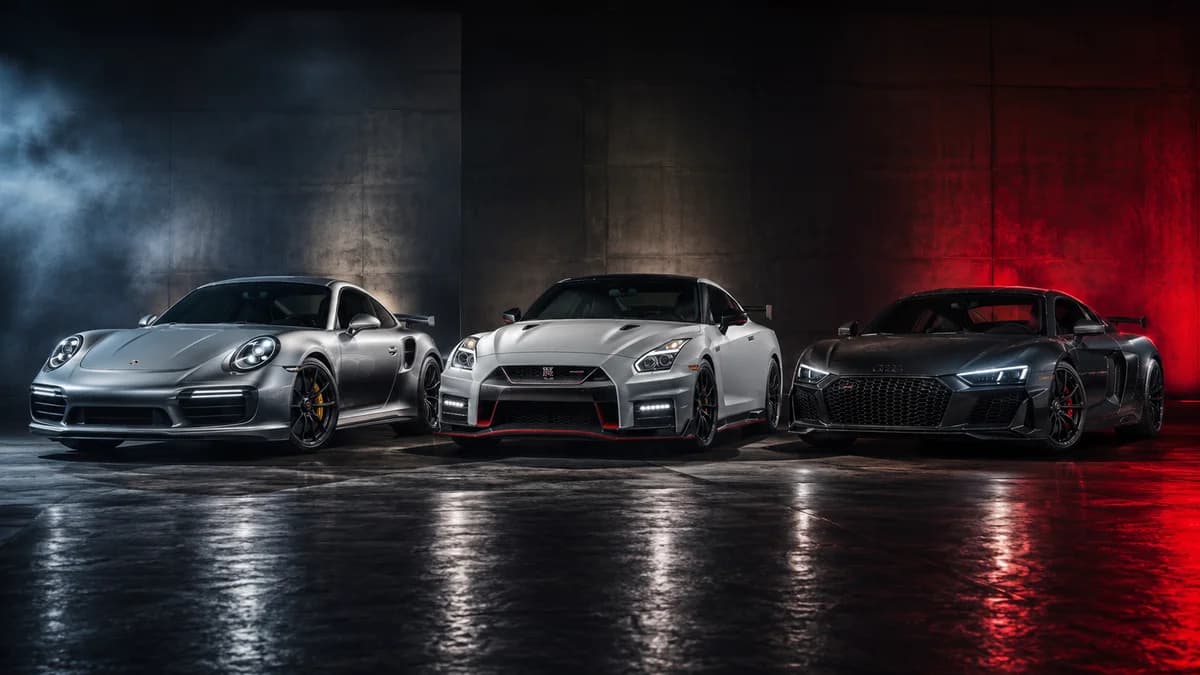
There is a category of performance car that exists above the sports car but below the supercar, a place where all-wheel drive traction, extraordinary performance, and genuine daily usability converge. The Porsche 911 Turbo S, the Nissan GT-R Nismo, and the Audi R8 V10 Performance have each, in their respective moments, been the definitive car in this category. Each offers sub-3.5-second 0-100 km/h acceleration, top speeds above 300 km/h, and the ability to be used in rain, cold, and traffic without incident. What separates them is everything else: their engineering philosophy, their character, their sense of occasion, and the relationship they offer between driver and machine.
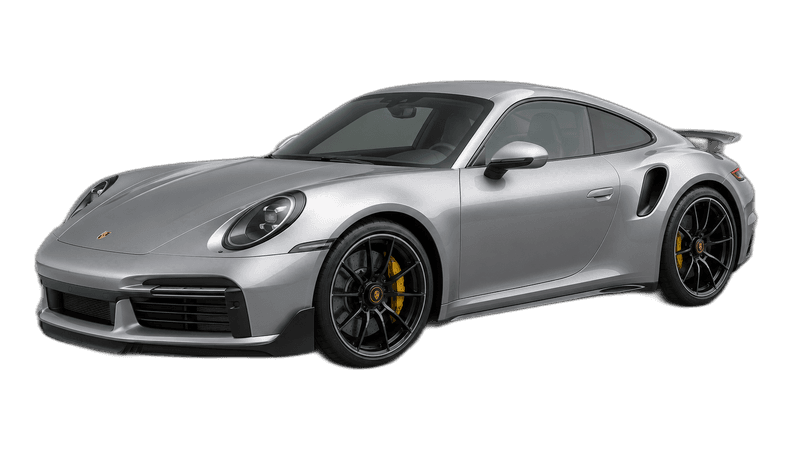
The Porsche 911 Turbo S is perhaps the most technically accomplished car in this comparison, a vehicle that has been continuously developed since 1974, each iteration more capable than the last, the current 992 generation reaching a point of refinement where 650 bhp feels not violent but inevitable. Its biturbo flat-six, rear-engine layout, and Porsche Active Suspension Management combine to produce a car that is faster than most supercars, more usable than all of them, and somehow more exciting than either of those facts should allow.
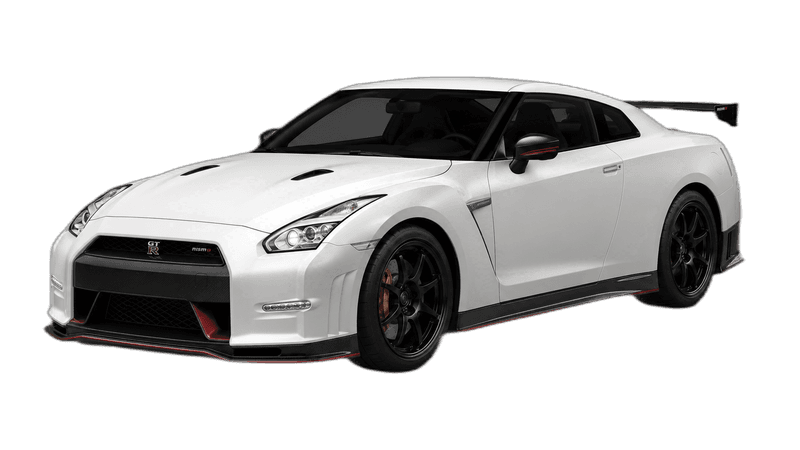
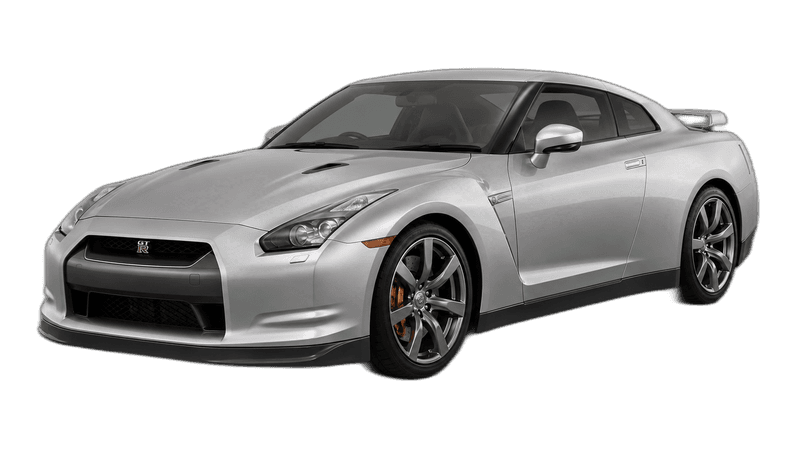
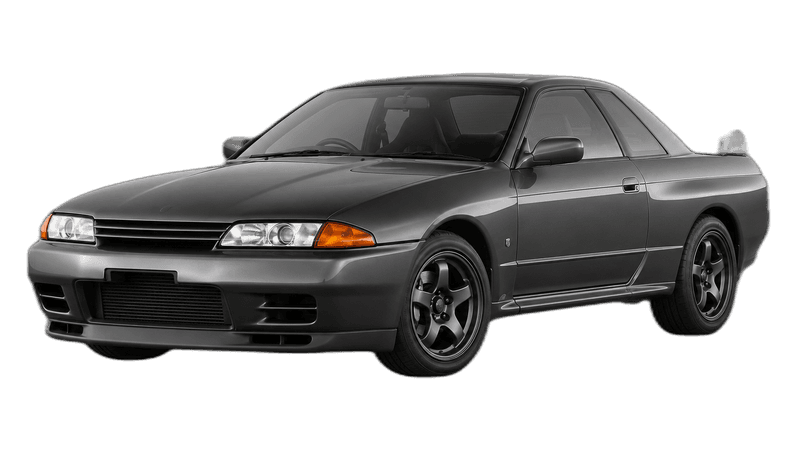
The Nissan GT-R Nismo traces its lineage through Godzilla mythology to the R32 of 1989, the car that so comprehensively dominated Australian touring car racing that it was banned from the series. The modern GT-R is a different proposition: heavier, more sophisticated, less rawly mechanical, but retaining the fundamental character that has always defined the GT-R: all-wheel drive precision, electronic sophistication, and a twin-turbocharged V6 that delivers its 600 bhp with the blunt efficiency of an industrial machine.
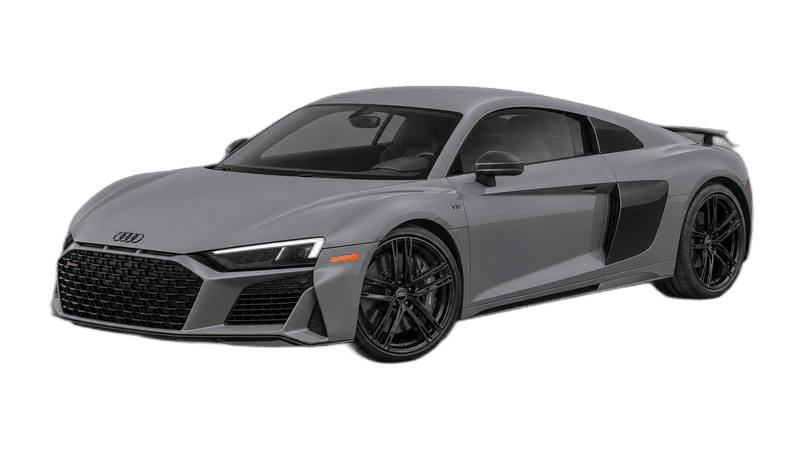
The Audi R8 V10 Performance is the outlier: a mid-engined, naturally aspirated V10 in a category dominated by turbocharged all-wheel drive configurations. At 562 bhp and 8,000 rpm, the R8 produces the most visceral driving experience of the three, and the one most exposed to a competent driver's inputs.
Three countries, three philosophies. Germany's Porsche represents accumulated refinement. Japan's Nissan represents electronic intensity. Germany's Audi represents the argument that no amount of electronic sophistication substitutes for a naturally aspirated V10 at the limit of adhesion.
By the Numbers
Porsche 911 Turbo S (992): The Accumulated Art
The 992 generation 911 Turbo S represents the most refined expression of the turbocharged all-wheel-drive 911 formula. Its 3.8-litre biturbo flat-six produces 650 bhp and 800 Nm, deployed through an eight-speed PDK transmission to all four wheels via Porsche's latest Traction Management system. The 992 Turbo S covers 0-100 km/h in 2.7 seconds, a figure that places it among the fastest production cars ever built, achieved not through brute power but through the systematic optimisation of every variable in the launch sequence.
New for the 992 generation: a front-axle lift system that raises the nose 40 mm in 3 seconds (preserving the splitter on speed bumps), wet-mode tyres as standard, and Night Vision Assist as an option. The 911 Turbo S is the only car in this comparison that can be used daily, tracked on weekends, and then used for a 1,000-kilometre motorway run without any single aspect of its character feeling compromised. That breadth of capability is not a compromise: it is an achievement.
Nissan GT-R Nismo: The Electronic Warrior
The GT-R Nismo represents Nissan Motorsport's answer to the question: what if we took the standard GT-R's already remarkable engineering and submitted it to a racing team's development programme? The Nismo specification adds hand-built VR38DETT twin-turbocharged V6 engines, individually assembled and flow-matched by a single technician, with each unit bearing the builder's name plate, producing 600 bhp and 652 Nm. The suspension uses Bilstein DampTronic springs calibrated to Nismo's own specifications; the aerodynamics package adds carbon fibre bonnet, front bumper, and rear spoiler generating meaningful downforce at circuit speed.
The GT-R's ATTESA-ETS all-wheel drive system monitors wheel slip 100 times per second, distributing torque between axles with a speed and precision that no mechanical differential can match. It covers 0-100 km/h in 2.5 seconds. The Nismo specification transforms the GT-R from a very fast car into a properly focused performance machine, one that demands respect and delivers rewards in proportion to the driver's commitment.
Audi R8 V10 Performance: The Analogue Argument
The R8 V10 Performance makes its argument through mechanical honesty at a moment when the industry is moving away from such arguments. Its 5.2-litre naturally aspirated V10, related to the Lamborghini Huracán's engine, derived from the Gallardo's LP560-4 unit, produces 562 bhp at 8,000 rpm, a number that understates the sensation of holding that engine at its limit.
The R8 is mid-engined, which gives it a weight distribution (44/56) that the other two cannot achieve and a handling balance that is mid-engine specific: more neutral than the 911's rear-heavy tendency, more communicative than the GT-R's electronic filtration. The Quattro all-wheel drive system operates with less intrusion than the Nissan's ATTESA-ETS, allowing more of the V10's character to reach the driver unmediated. In a world of turbocharged efficiency, the R8 V10 Performance is a deliberate anachronism, and for a significant number of buyers, that is precisely the point.
Verdict
The Porsche 911 Turbo S is the best car. That is a simple statement that requires no qualification: it is faster, more usable, more capable in adverse conditions, better constructed, and more continuously developed than either rival. If the question is which car would you choose if you could only have one, the answer is the 911 Turbo S, and it is not a close contest.
The Nissan GT-R Nismo is the most focused, the most electronic, and the most demanding of the three, a car whose character rewards drivers who engage with it on its own terms. Its value proposition at its price point is also extraordinary: no other car offers this level of circuit performance at the GT-R's typical transaction price.
The Audi R8 V10 Performance will not exist in its current form for much longer. The naturally aspirated V10 supercar is being retired across the industry; the R8's replacement will almost certainly be electrified. Driving one now is to experience something that will not be available again at any price, the particular sensation of a mid-engined, naturally aspirated V10 at 8,000 rpm, available from a manufacturer who sells it in the same showroom as the A3. That incongruity is the R8's defining charm. In twenty years, it will be the one people remember most fondly.