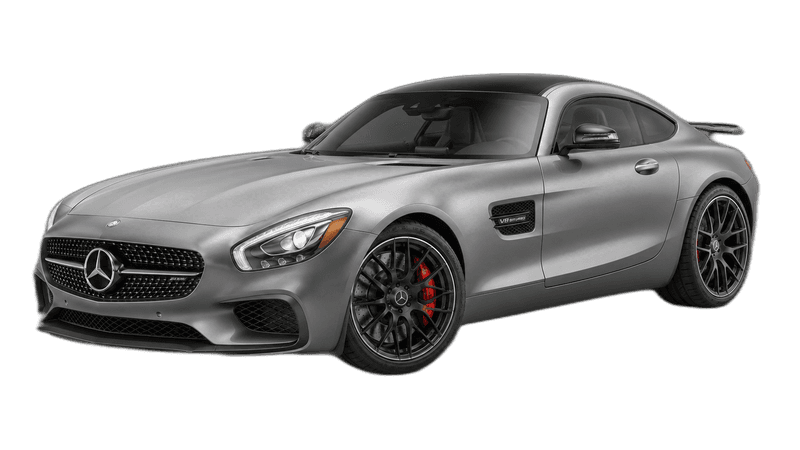
Mercedes-AMG GT S
£85,000
usatoIndicative market price, updated periodically.
510cv
Potenza
3.8s
0-100 km/h
310km/h
Velocita Massima
£85,000
Prezzo Usato
The Mercedes-AMG GT S produces 510 bhp, reaches 100 km/h in 3.8 seconds and has a top speed of 310 km/h. A representative example is worth about £85,000.
Quanto spinge.
La forza g di picco nell'istante in cui affondi l'acceleratore, stimata dal tempo 0–100 e dalla trazione.
Mercedes-AMG GT SG di partenza stimata dal tempo 0–100 e dalla trazione: un'approssimazione onesta, non un dato misurato.
Dream Car Garage Editorial · Edited by José Teo Lorente Vallecillos · Last updated 29 October 2026
Panoramica
We have not driven this car. This review is based on published specifications and the sources listed below.
Why this car
The AMG GT S arrived in 2015 as the more powerful of the first pair of AMG GT models, pairing the M178 4.0-litre twin-turbo V8 with a front-mid engine position and a seven-speed transaxle for near-perfect weight distribution. With 510 bhp, 650 Nm of torque, a run to 100 km/h in 3.8 seconds and a 310 km/h top speed, it was conceived as a focused two-seat sports car rather than a grand tourer, and it launched a family that now stretches from roadster to Black Series.
We have not driven this model for this article. The assessment below draws on Mercedes-Benz media material for the GT line and the PistonHeads used buying guide for the AMG GT family. The PistonHeads guide covers the model range rather than the GT S alone, so its observations apply across variants; treat both sources as inspection prompts for the individual example rather than predictions that every GT S will behave the same way.
What the GT S is
The GT S sits above the standard GT in the early range, adding adaptive AMG Ride Control suspension, a wider power band and larger brakes. The transaxle places the gearbox at the rear axle and connects it to the engine by a carbon-fibre torque tube, giving the car its balanced feel. An electronically controlled limited-slip differential manages traction at the rear, and the engine's dry-sump lubrication supports sustained circuit use. The driving position is low and the cabin narrow, in the manner of a serious sports car.
Known issues and what to inspect
The M178's documented concerns centre on the turbocharger oil-feed pipes, which can fail and starve the bearings, so evidence of the updated part or inspection is valuable. The transaxle's mechatronic unit can develop issues, felt as hesitant or abrupt shifts, and radiators corrode with age, so coolant condition and a check for residue around the cores matter. The clutch packs in the transaxle wear with hard use, particularly on a car that has spent its life doing standing starts. On the cooling system, the intercooler pumps and circuits should be bled and inspected. A ceramic brake option was offered, and its discs and pads are expensive to replace, so wear should be measured in millimetres.
Ownership character and costs
The GT S rewards smooth inputs and rewards its owner with genuine pace and balance. Running costs concentrate in tyres, brakes and the cooling and lubrication systems; specialist servicing is essential. Values for early cars settled into the mid tens of thousands of pounds by the early 2020s, figures quoted here only as historical context from the source guide.
The chassis and the ownership character
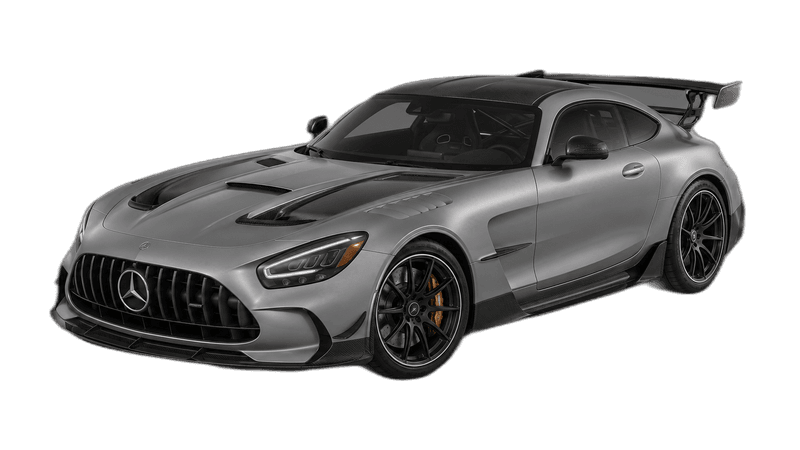
The GT S sits on the R190 chassis architecture with the engine mounted behind the front axle and the gearbox at the rear in a transaxle layout, which gives the car its near-even weight distribution. The adaptive AMG Ride Control dampers and the electronic limited-slip differential are the two options that define how the car feels, and a car missing either is a lesser thing. The M178's known issues repeat here: the turbo oil-feed pipe, mechatronic faults in the gearbox, radiator corrosion and clutch-pack wear on cars that have spent their lives being launched. The carbon-ceramic option is a five-figure decision at replacement time, so a used inspection should measure disc thickness rather than admire the yellow calipers. The sound of the car is part of the appeal, but it is worth remembering that this engine family rewards disciplined warm-up and regular oil analysis.
Launch context and the market position
The GT S arrived in 2015 as the first derivative of the GT family, at roughly 510 hp in launch specification, and it set the template the Roadster and later variants followed. The R190 platform's defining decision is the transaxle: the dual-clutch gearbox mounted at the rear axle gives near-even weight distribution and a distinctive rotational feel through direction changes that reviewers consistently singled out. Adaptive AMG Ride Control dampers and the electronically controlled locking differential are the two options that define how the car drives, and their presence should be verified before any other judgement. The known issues deserve repetition because they are specific: turbocharger oil feed pipes can fail, gearbox mechatronics develop faults, radiators corrode in salted climates, and the rear-wheel-drive clutch pack wears quickly under repeated launch or burnout habits. Carbon-ceramic discs cost five figures per corner to replace, so a used inspection should measure remaining thickness. PistonHeads recorded mainstream values around forty-five thousand pounds in 2022, with early high-mileage cars lower; the guide covers the GT family rather than the S alone, so treat its observations as a range baseline and verify variant-specific specification on the individual car.
Buying verdict
The strongest cars carry a full service history with the turbo oil-feed issue addressed, healthy gearbox behaviour on a long test, and no record of track-day abuse unless it is accompanied by the corresponding maintenance. The GT S offers an ownership experience distinct from both its Porsche rivals and the heavier grand tourers. Launch-control history is invisible on the odometer, so the gearbox report matters more than the mileage figure, and a pre-purchase inspection at a marque specialist pays for itself the first time the car is warmed through properly and interrogated for fault codes. No present valuation, investment assurance or universal failure rate is offered. We have not driven this model for this article.
Specifiche
| Motore | 4.0L (3982 cc) twin-turbo V8 petrol |
|---|---|
| Cilindrata | 4.0L |
| Potenza | 510 cv |
| Coppia | 650 Nm |
| 0-100 km/h | 3.8s |
| Velocita Massima | 310 km/h |
| Trazione | RWD |
| Paese | Germany |
| Carrozzeria | 2-door coupe |
| Anni | 2015–2019 |
| Prezzo Usato | £85,000 |
Specifications are manufacturer-published figures.
Domande Frequenti
What is a Mercedes-AMG GT S worth?
A representative example is worth about £85,000. Actual values vary with specification, condition and history.
How much power does the Mercedes-AMG GT S have?
The Mercedes-AMG GT S produces 510 bhp and 650 Nm of torque.
How fast is the Mercedes-AMG GT S from 0 to 100 km/h?
The Mercedes-AMG GT S accelerates from 0 to 100 km/h in 3.8 seconds.
What is the top speed of the Mercedes-AMG GT S?
The Mercedes-AMG GT S has a top speed of 310 km/h.
What engine does the Mercedes-AMG GT S have?
The Mercedes-AMG GT S uses a 4.0L (3982 cc) twin-turbo V8 petrol.
When was the Mercedes-AMG GT S built?
The Mercedes-AMG GT S was built from 2015 to 2019.
Is the Mercedes-AMG GT S all-wheel drive?
No. The Mercedes-AMG GT S is configured with rear-wheel drive.