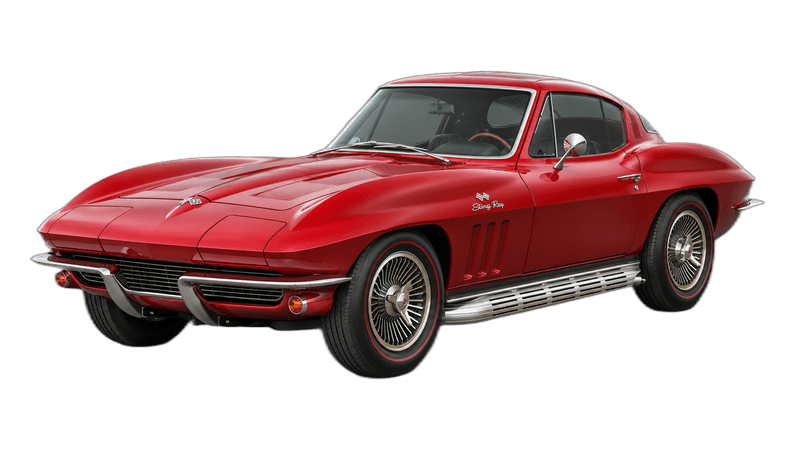
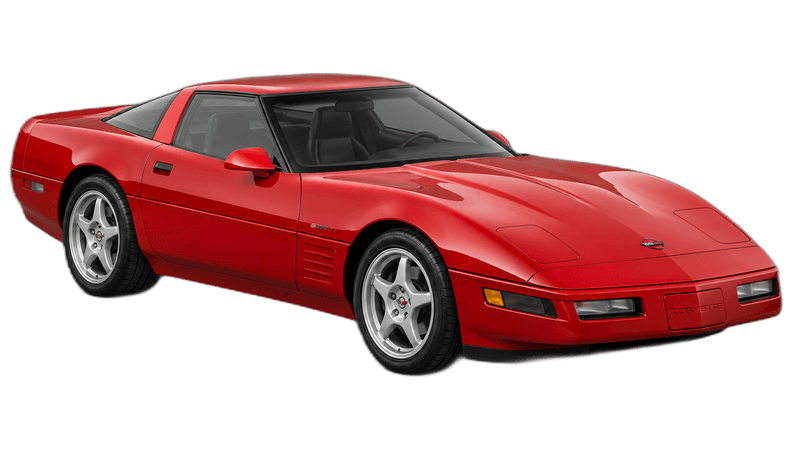
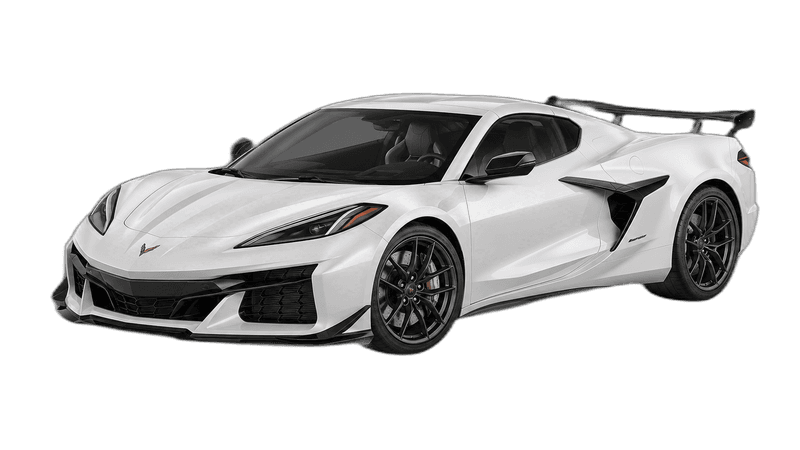
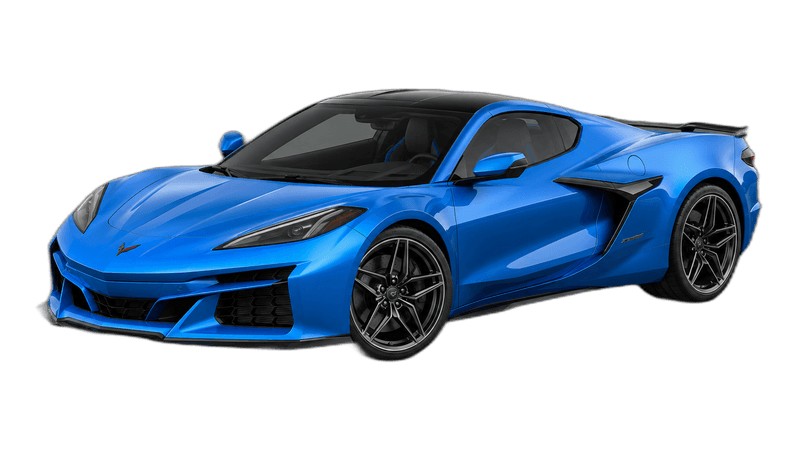
Chevrolet Corvette Stingray C7
£42,000
usatoIndicative market price, updated periodically.
460cv
Potenza
3.8s
0-100 km/h
293km/h
Velocita Massima
£42,000
Prezzo Usato
The Chevrolet Corvette Stingray C7 produces 460 bhp, reaches 100 km/h in 3.8 seconds and has a top speed of 293 km/h. A representative example is worth about £42,000.
Quanto spinge.
La forza g di picco nell'istante in cui affondi l'acceleratore, stimata dal tempo 0–100 e dalla trazione.
Chevrolet Corvette Stingray C7G di partenza stimata dal tempo 0–100 e dalla trazione: un'approssimazione onesta, non un dato misurato.
Dream Car Garage Editorial · Edited by José Teo Lorente Vallecillos · Last updated 2 November 2026
Panoramica
We have not driven this car. This review is based on published specifications and the sources listed below.
Scope of this guide
This guide is scoped to the Chevrolet Corvette Stingray C7 coupe in its 6.2L naturally aspirated V8 petrol form, the front-engine, rear-wheel drive, two-seat targa-roof car sold for the 2014 to 2019 model years with the LT1 engine at 460 bhp. It is not a guide to the convertible, to the supercharged Z06 and ZR1, or to the Grand Sport, which shares the LT1 but has the wider Z06-style body and its own equipment. We also do not treat the Z51 performance package as a separate car, although several of the headline figures below were claimed for cars fitted with it, and we say where. Where those cars differ we say so, because an advert that says only "C7 Corvette" can describe any of them.
We have not driven this model for this article. Everything here comes from three cited sources: AutoGuide's June 2013 report of Chevrolet's performance claims, PistonHeads' used buying guide for the C7 (5 November 2022), and the government recall checker. We also read AutoGuide's two May 2013 reports on the engine rating, the PistonHeads launch review of 17 January 2014, a Cars.com article of 5 March 2015, Wikipedia, and the US NHTSA recall data, and we flag every point that rests on them. Where sources disagree we say so rather than pick a winner quietly. This is a US-market car, so the UK recall checker is a weak fit, and we come back to that below.
The figures at a glance
- Engine: 6.2L naturally aspirated V8 petrol, the LT1, a 6162 cc V8, with dry-sump oiling on Z51 cars according to PistonHeads, which prints 6,162cc for the car.
- Power: 460 bhp with the optional performance exhaust, and 455 bhp without it. Chevrolet's figures are US SAE horsepower, which we treat as the same as bhp. In metric horsepower that is about 466 PS (460 x 1.01387), which is why PistonHeads' 2014 review prints 466hp for the same engine, and about 461 PS for the 455 version.
- Torque: 630 Nm with the performance exhaust, which is 465 lb ft (465 x 1.3558 is about 630). Without the exhaust it is 460 lb ft, about 624 Nm by our conversion, though Wikipedia prints 620 N m.
- 0-100 km/h: 3.8 seconds. That is Chevrolet's claimed 0-60 mph time for a Z51 car, not a 0-100 km/h time, and a true 0-62 mph run would be a little slower.
- Top speed: 293 km/h, which is the 182 mph that PistonHeads lists as claimed for the European-specification car.
- Drive: rear-wheel drive, front-engine, with a seven-speed manual or an automatic.
- Weight: about 1,518 kg for a base car and 1,562 kg with Z51 according to Wikipedia, and PistonHeads also gives 1,562 kg for the Z51 car.
Power and torque: which exhaust
The power rating is the figure most often misquoted. At the 2013 Detroit show Chevrolet gave an estimate of 450 hp and 450 lb ft. In May 2013 the final certified figures arrived: 455 hp and 460 lb ft as standard, and 460 hp and 465 lb ft with the optional performance exhaust, according to the reports we read. AutoGuide's two articles from that month disagree on the detail, and one of them prints 460 lb ft for both versions, so we rely on the version that matches Wikipedia's 460 hp and 465 lb ft (630 N m) with the performance exhaust. Our catalogue stores 460 bhp and 630 Nm, the higher rating, and a car without the performance exhaust makes 455 bhp and 460 lb ft. Ask the seller which exhaust the car has, and do not assume.
0-100 km/h and the Z51 caveat
Chevrolet released its performance estimates on 20 June 2013 and AutoGuide reported 0-60 mph in 3.8 seconds, a quarter mile in 12.0 seconds at 119 mph, 107 feet to stop from 60 mph and 1.03 g of lateral grip, all with the Z51 package. The PistonHeads used guide gives the same 3.8 seconds for the manual Z51 car. The PistonHeads review in January 2014 printed 3.9 seconds for a manual coupe with the Z51 pack, and that is the figure our catalogue held until now. Cars.com reported a Chevrolet representative saying the numbers were the same for the manual and the automatic. Wikipedia gives 3.7 seconds for a car with the performance exhaust and the eight-speed automatic. These are claims, not our measurements, and a car without Z51 is not covered by the claim.
Top speed
Chevrolet had not published a top speed when it released its Z51 numbers, according to AutoGuide. The figure we found in a source we cite is PistonHeads' claimed 182 mph in the used guide, about 293 km/h, for the Euro-specification Z51 car. Our old catalogue value was 291 km/h, which is 181 mph and matches several dealer listings, and other pages give 180 or 186 mph. We found no Chevrolet statement for any of them, so we use the cited 182 mph and treat it as a claim. It is not a verified measurement.
Model years and what changed
The C7 ran for the 2014 to 2019 model years, with the Stingray name used for the base cars. Wikipedia says production ran from September 2013 to July 2017, paused, and restarted in November 2017 until November 2019, and it totals 189,507 C7 cars of all types. That count includes convertibles, Z06, Grand Sport and ZR1, so it says nothing about how many Stingray coupes were built, and our catalogue leaves production count empty. The gearbox choices are a seven-speed manual, a six-speed automatic in 2014 only and an eight-speed automatic from 2015, per Wikipedia and PistonHeads. The 2019 car is the final one, and PistonHeads says UK imports ended on 31 August 2019 under WLTP rules.
Known weak points
PistonHeads' used guide is the main source here and it should be read in full. It reports a flurry of blown LT1 engines on cars from the first two years of production, with poor machining blamed in some cases, and says oil filters have been known to fragment. It also notes that late cars with the eight-speed automatic could shift roughly, which led to class action lawsuits and a 2019 fluid flush as GM's answer. The manual has a narrow gate, so it is easy to select seventh instead of fifth. The guide adds that cast aluminium wheels can crack or warp, that composite panels crack rather than dent and are often hard to repair, that paint bubbling and a creaking targa roof are common, and that infotainment screens can flicker or go blank, often from loose wiring in the HMI module on cars before 2016. It warns that cylinder deactivation, which was Eco mode only on European cars, could damage the torque tube after sudden throttle changes. We have not verified any of these ourselves, and the guide says its weight and power data should be treated as relative rather than definitive.
What to check before buying
- Confirm the engine is the LT1 with the performance exhaust or not, and which power rating the car really has.
- Ask for evidence of engine oil changes, and check the guide's advice on early oil changes and a 7,500 mile oil interval.
- Look for blue smoke on start-up, and any engine-management changes if the car has a modified exhaust or cams.
- On automatic cars, check shift quality, especially on 2018 and 2019 cars with the eight-speed.
- Inspect every wheel for cracks and kerb damage, and the composite bodywork for repairs that hide a past accident.
- Check the targa roof seals, the infotainment screen and the dry-sump system if it is a Z51 car.
- Ask whether the car is a US import, how it was registered, and whether the Z51 package and brake upgrades are original.
- Get an independent specialist inspection.
Recalls and the recall checkers
This is a US-market car and the UK government recall checker is a weak fit. We did not run it, because it needs a registration number or a make, model and year, and we are not looking at a specific car. The page says the MOT checking service shows outstanding safety recalls for a car with a registration, while non-safety recalls come from the manufacturer directly, and a US-specification import may not appear at all. We did read the NHTSA recall data for the model, through a summary of its public lookup, for model years 2014, 2016 and 2019 only. For 2014 it listed five campaigns, covering the frontal air bag software, a diagnostic module that could deactivate air bags, sport seats and a rear shock absorber weld. For 2016 it listed two, both about the frontal air bag software, and for 2019 it listed one that applied to the ZR1 only. We did not check 2015, 2017 or 2018, and these figures are a snapshot, not a complete history. Use the NHTSA lookup with the chassis number of the car you are viewing, and ask the seller for evidence that any open campaign was completed.
About the photograph
The picture at the top of this page shows a 2016 coupe in Torch Red with the Z51 wheels and brakes, photographed in Pennsylvania in 2023. We use it only to show the shape. Its Commons description lists it as a Z51 car, so the wheels and brakes may differ from a car without that package.
Verdict
The Stingray coupe in this guide is a 460 bhp, 630 Nm, rear-wheel drive V8 with a claimed 3.8 seconds to 60 mph and a claimed 293 km/h, with figures that depend on the exhaust and the Z51 package. It is a straightforward, front-engine design that PistonHeads calls the last old-school Corvette, but the early engines, the automatic gearboxes, the wheels and the bodywork all need checking. We have not driven it, so use the sources, a proper inspection and the seller's paperwork to decide.
Specifiche
| Motore | 6.2L naturally aspirated V8 petrol |
|---|---|
| Cilindrata | 6.2L |
| Potenza | 460 cv |
| Coppia | 630 Nm |
| 0-100 km/h | 3.8s |
| Velocita Massima | 293 km/h |
| Trazione | RWD |
| Paese | USA |
| Carrozzeria | 2-seat targa coupe |
| Anni | 2014–2019 |
| Prezzo Usato | £42,000 |
Specifications are manufacturer-published figures.
Domande Frequenti
What is a Chevrolet Corvette Stingray C7 worth?
A representative example is worth about £42,000. Actual values vary with specification, condition and history.
How much power does the Chevrolet Corvette Stingray C7 have?
The Chevrolet Corvette Stingray C7 produces 460 bhp and 630 Nm of torque.
How fast is the Chevrolet Corvette Stingray C7 from 0 to 100 km/h?
The Chevrolet Corvette Stingray C7 accelerates from 0 to 100 km/h in 3.8 seconds.
What is the top speed of the Chevrolet Corvette Stingray C7?
The Chevrolet Corvette Stingray C7 has a top speed of 293 km/h.
What engine does the Chevrolet Corvette Stingray C7 have?
The Chevrolet Corvette Stingray C7 uses a 6.2L naturally aspirated V8 petrol.
When was the Chevrolet Corvette Stingray C7 built?
The Chevrolet Corvette Stingray C7 was built from 2014 to 2019.
Is the Chevrolet Corvette Stingray C7 all-wheel drive?
No. The Chevrolet Corvette Stingray C7 is configured with rear-wheel drive.