
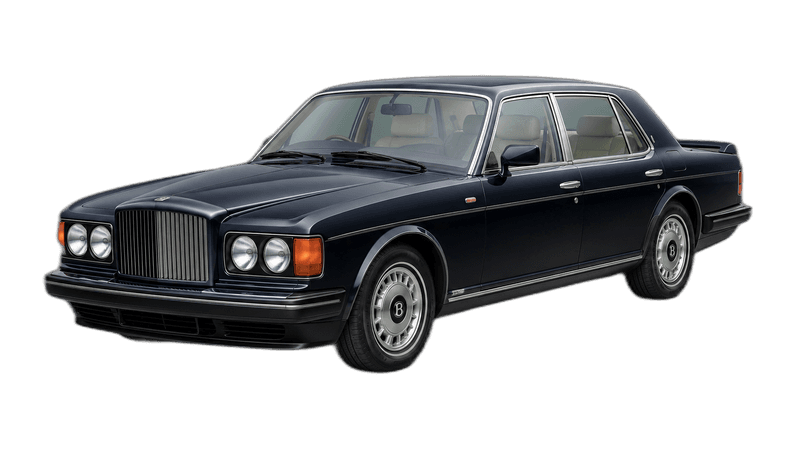
Bentley Turbo R
£28,000
usatoIndicative market price, updated periodically.
300cv
Potenza
6.1s
0-100 km/h
245km/h
Velocita Massima
£28,000
Prezzo Usato
The Bentley Turbo R produces 300 bhp, reaches 100 km/h in 6.1 seconds and has a top speed of 245 km/h. A representative example is worth about £28,000.
Quanto spinge.
La forza g di picco nell'istante in cui affondi l'acceleratore, stimata dal tempo 0–100 e dalla trazione.
Bentley Turbo RG di partenza stimata dal tempo 0–100 e dalla trazione: un'approssimazione onesta, non un dato misurato.
Dream Car Garage Editorial · Edited by José Teo Lorente Vallecillos · Last updated 29 October 2026
Panoramica
We have not driven this car. This review is based on published specifications and the sources listed below.
The Bentley that had to prove roadholding
The Turbo R arrived in 1985 as the replacement for the Mulsanne Turbo, and the letter R stood for roadholding, not racing. That distinction mattered. Earlier turbocharged Bentleys had been criticised for combining enormous straight-line speed with suspension that seemed surprised by corners, so the Turbo R received much-improved springs, dampers and anti-roll bars beneath the familiar formal saloon body. It was offered in short and long wheelbase forms, and for 1988 the United States received its own version. The catalogue records 300 bhp and 660 Nm from the long-serving 6.75-litre turbocharged V8, a run to 100 km/h in 6.1 seconds and a 245 km/h maximum.
We have not driven this model for this article. This desk-researched ownership guide relies on Bentley's official heritage page for a 1991 Turbo R, a Hagerty market study of expensive-to-own British classics and the DVSA vehicle recall service. The Hagerty piece groups the Turbo R with other British luxury cars rather than surveying the model alone, so its observations are inspection prompts for the individual example, not predictions that every Turbo R will behave the same way.
What the Turbo R is
Under the hand-formed panelwork sits the L-series V8, a pushrod all-alloy engine whose lineage reaches back decades and whose turbocharged form gave the Turbo R effortless overtaking rather than any need to rev. The gearbox is a General Motors-derived automatic and the drive is to the rear wheels. Inside there is Connolly leather and real wood, and the general atmosphere is one of traditional club-room luxury rather than modern minimalism. The car weighs well over two tonnes and rides on specific Avon tyres that Hagerty notes cost around 500 dollars each at the time of writing, a first hint that consumables here are priced for the car's original market, not its current one. Because short and long wheelbases were offered, an early viewing should establish which body an example carries before any other judgement is made. More than 7,000 Turbo Rs were built, relatively common by pre-Volkswagen Bentley standards, which means low-mileage, carefully stored examples surface regularly and the buying question is usually condition rather than scarcity.
The V8 and its known issues
The engine bay is tightly packed around the 6.75-litre turbo V8, which makes some jobs labour-intensive. Head gaskets have become a common age-related failure, and a failed head gasket that has let coolant contaminate the engine can turn into a five-figure labour bill at specialist rates. Routine maintenance is not cheap either: Bentley and Rolls-Royce specialists are few and far between. The turbocharger itself is durable when the car is used regularly, but long storage corrodes the economics of ownership as much as the car.
Chassis, brakes and the systems that punish neglect
The most distinctive ownership point on cars with ride height control is that the same fluid runs through both the ride-height and braking systems. A neglected reservoir or a leak in one circuit therefore affects two functions at once, and a pre-purchase check of both systems together is essential. The suspension is otherwise conventional enough, but everything here is heavier and more expensive than it looks. Brake servicing, steering components and the automatic transmission all reward specialists over general garages, and the car's value depends heavily on documented attention from the shrinking pool of people who know it.
Cabin and daily realities
This is a hand-built 1980s and 1990s luxury saloon, so expect charm and eccentricity in equal measure. The driving position and instruments are straightforward, but equipment can fail in ways modern cars never will: window mechanisms, seat motors and climate control components all date from an era of low-volume engineering. Parts supply for cosmetic items relies on specialists and breakers. Fuel consumption is of its era, and the realistic use case is a cared-for second car rather than a daily commuter.
Buying and values
Hagerty's median value for a number-two-condition Turbo R was around 22,600 dollars at the end of 2021, against an original price close to 200,000 dollars. That ratio is the story of the model: enormous car for modest money, with the gap explained by running costs that remain priced for the original owner. Sound examples with thick specialist files are the ones to pursue; cars sold cheap are usually cheap because the expensive work has been deferred onto the next keeper. A documented brake and ride-height service, evidence of recent head-gasket health and a compression test are worth more than low mileage. The specialist network is the other half of the equation: Hagerty observes that people who understand these cars are few and far between, and that even a routine visit passes a thousand dollars with nothing major found, so a buyer should identify the supporting workshop before identifying the car. The braking and ride-height systems share one hydraulic fluid circuit, so a fault in one can present in the other, and a seller who cannot explain recent fluid work is signalling how the rest of the file reads.
We have not driven this model for this article. No present valuation, investment assurance or universal failure rate is offered. The Turbo R's value as an ownership proposition is that it delivers old-growth British luxury and effortless turbocharged torque for the price of a mid-range modern saloon, provided the specialist support structure is in place before purchase. Buy on documented care, and the roadholding brief of 1985 still translates today.
Specifiche
| Motore | 6.75L (6750 cc) turbocharged V8 petrol |
|---|---|
| Cilindrata | 6.8L |
| Potenza | 300 cv |
| Coppia | 660 Nm |
| 0-100 km/h | 6.1s |
| Velocita Massima | 245 km/h |
| Trazione | RWD |
| Paese | UK |
| Carrozzeria | 4-door saloon |
| Anni | 1985–1997 |
| Prezzo Usato | £28,000 |
Specifications are manufacturer-published figures.
Domande Frequenti
What is a Bentley Turbo R worth?
A representative example is worth about £28,000. Actual values vary with specification, condition and history.
How much power does the Bentley Turbo R have?
The Bentley Turbo R produces 300 bhp and 660 Nm of torque.
How fast is the Bentley Turbo R from 0 to 100 km/h?
The Bentley Turbo R accelerates from 0 to 100 km/h in 6.1 seconds.
What is the top speed of the Bentley Turbo R?
The Bentley Turbo R has a top speed of 245 km/h.
What engine does the Bentley Turbo R have?
The Bentley Turbo R uses a 6.75L (6750 cc) turbocharged V8 petrol.
When was the Bentley Turbo R built?
The Bentley Turbo R was built from 1985 to 1997.
Is the Bentley Turbo R all-wheel drive?
No. The Bentley Turbo R is configured with rear-wheel drive.
Altre di Bentley
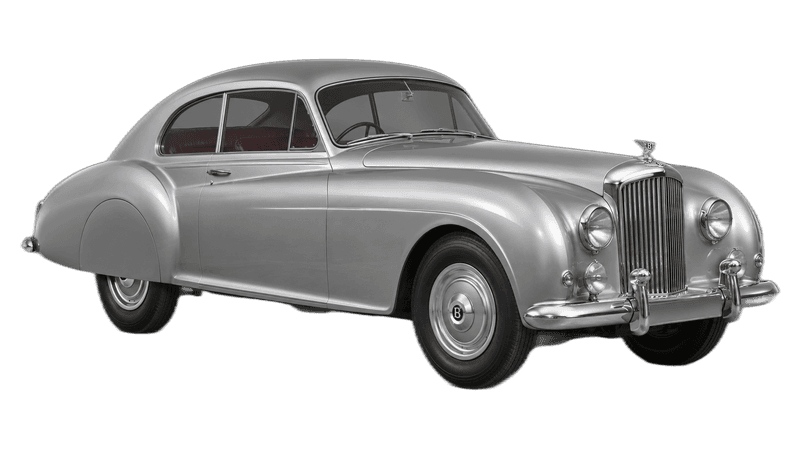 153 cv
Bentley R-Type Continental
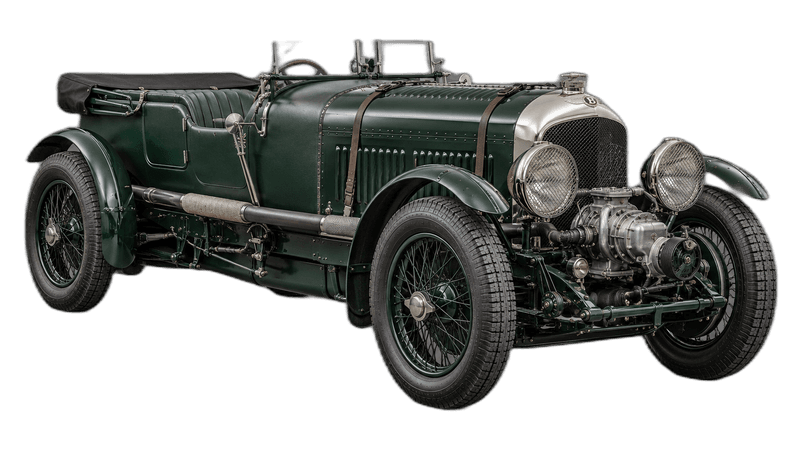 175 cv
Bentley 4½ Litre Blower
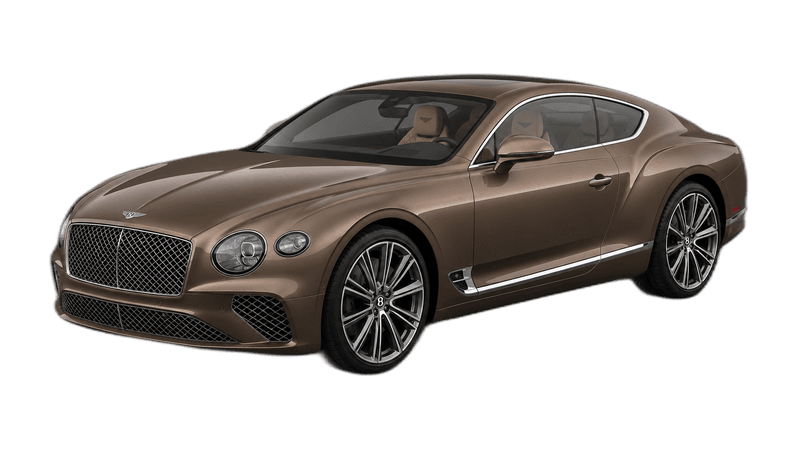 626 cv
Bentley Continental GT Mulliner (3rd Gen)
£230,000
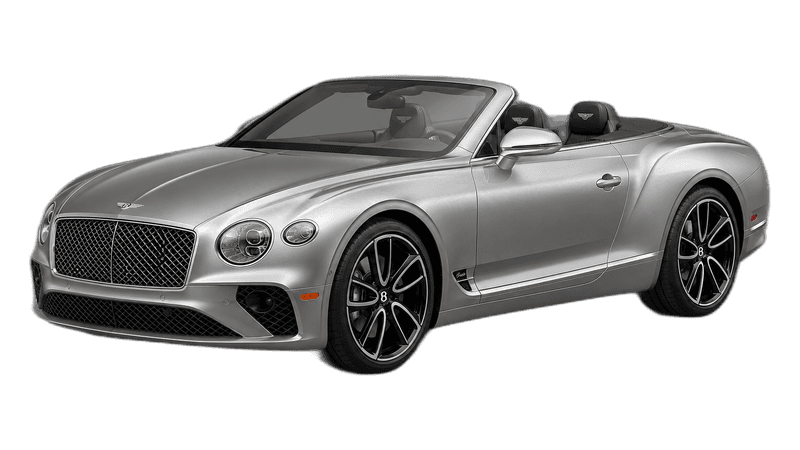 650 cv
Bentley Continental GTC Speed (3rd Gen)
£225,000
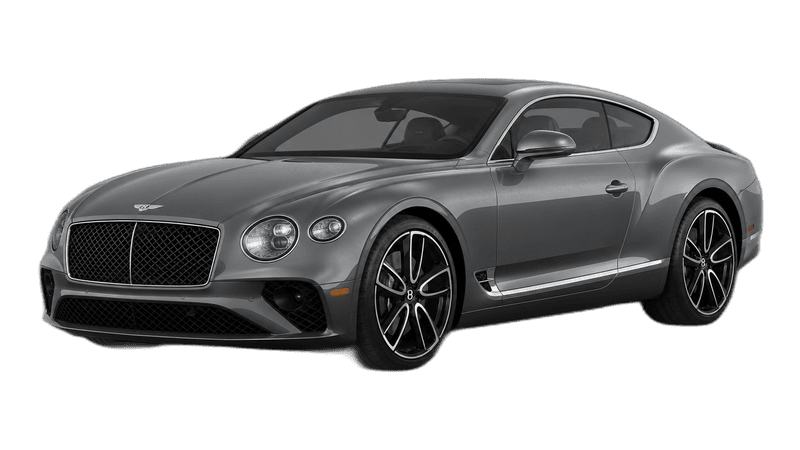 650 cv
Bentley Continental GT Speed (3rd Gen)
£210,000
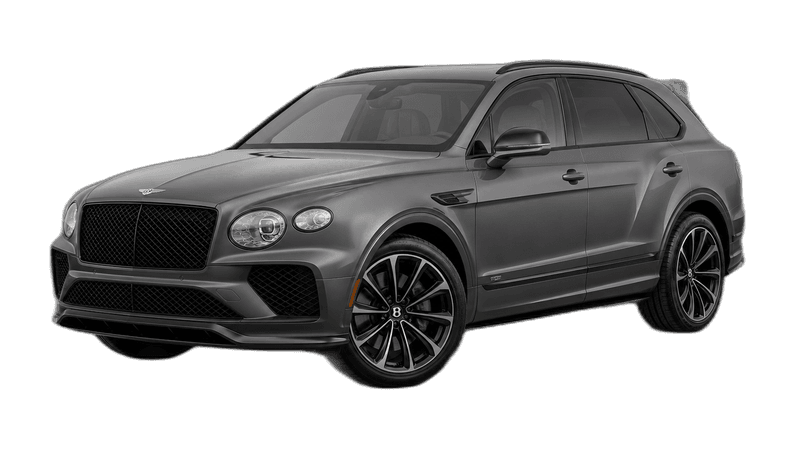 626 cv
Bentley Bentayga Speed
£175,000