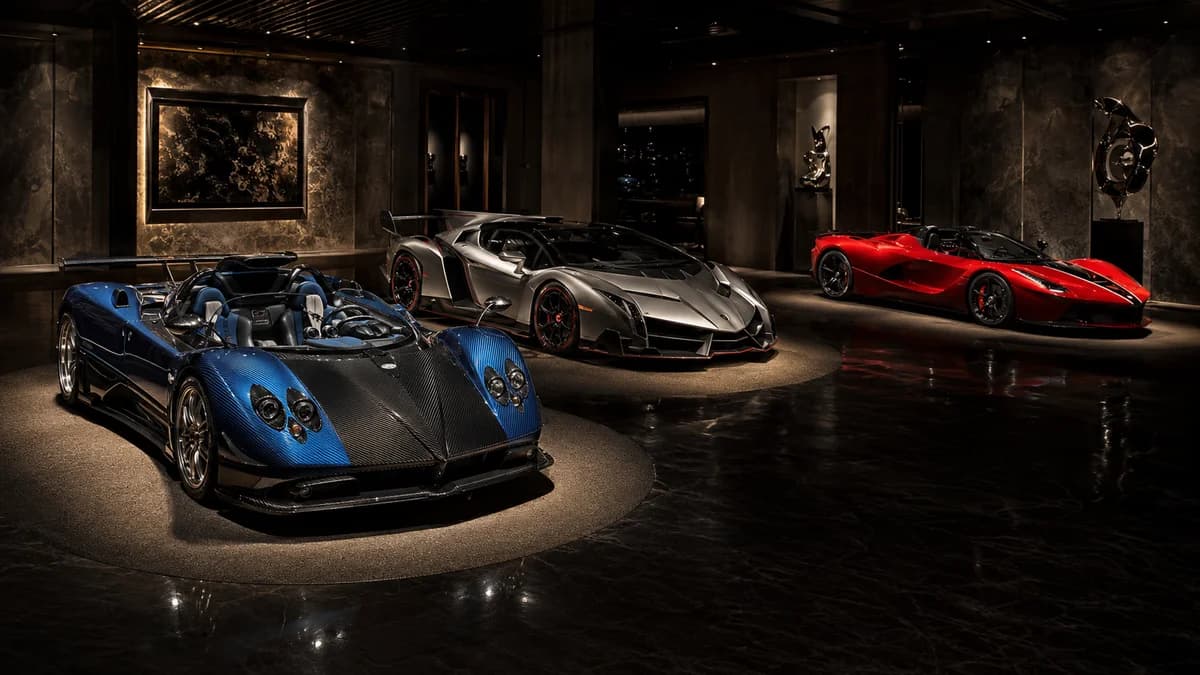
La rareté dans le monde automobile opère sur une échelle différente de celle de tout autre objet de collection. Une peinture existe en un seul original. Une montre peut être limitée à quelques centaines de pièces. Mais une voiture, avec ses dizaines de milliers de composants, ses usines, ses chaînes d'approvisionnement et ses équipes d'ingénieurs, n'a jamais été conçue pour exister en quantité unitaire. Quand un constructeur ne produit qu'un seul exemplaire d'une voiture, cela représente quelque chose de proche de l'art industriel : toute la capacité d'une entreprise concentrée sur un seul objet.
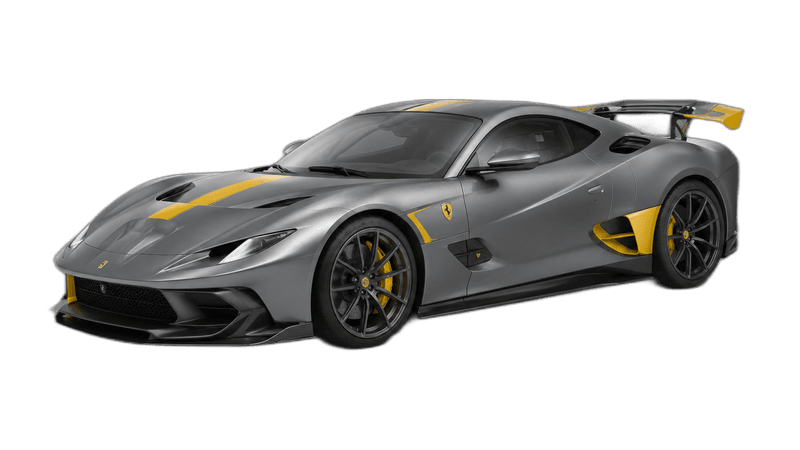
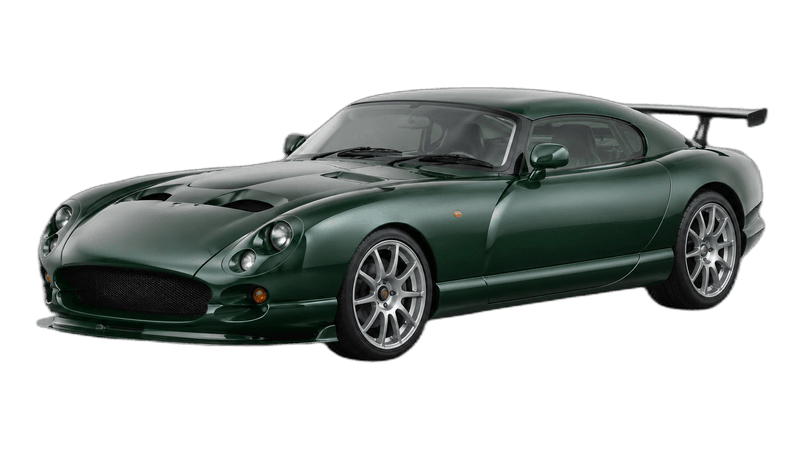
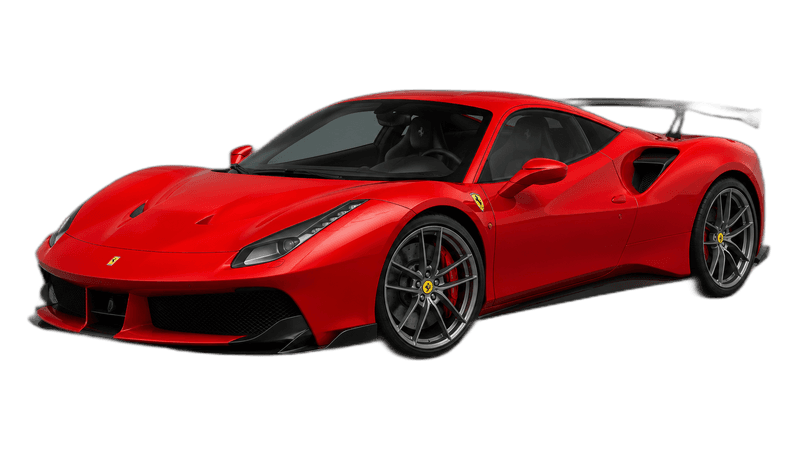
Tout en haut de cette liste se trouvent deux machines extraordinaires, chacune construite en un seul exemplaire. La Ferrari KC23 est une commande unique basée sur la 488 GT Modificata, créée pour un client non divulgué via la division Special Projects de Ferrari. Elle existe comme l'expression singulière de ce que Ferrari peut accomplir quand les contraintes de budget et de production sont entièrement levées. La TVR Cerbera Speed 12, en revanche, est un exemplaire unique né d'une ambition qui a dépassé même le courage de ses créateurs. Développée à l'origine comme voiture de course GT, la version routière a été jugée trop puissante et trop dangereuse pour une production en série. Seul le prototype existe, un monument de 880 bhp à l'époque où les ingénieurs britanniques construisaient d'abord et s'inquiétaient des conséquences ensuite.
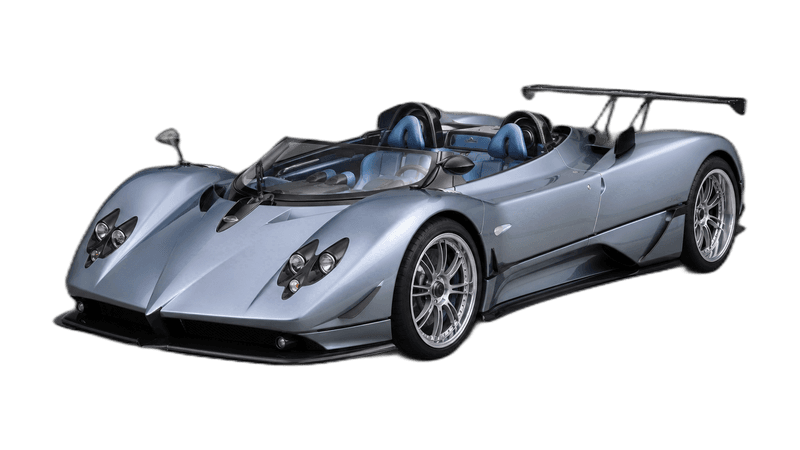
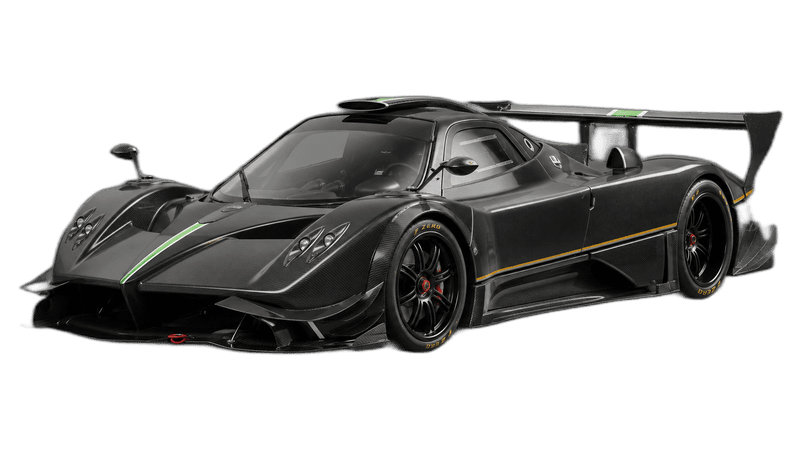
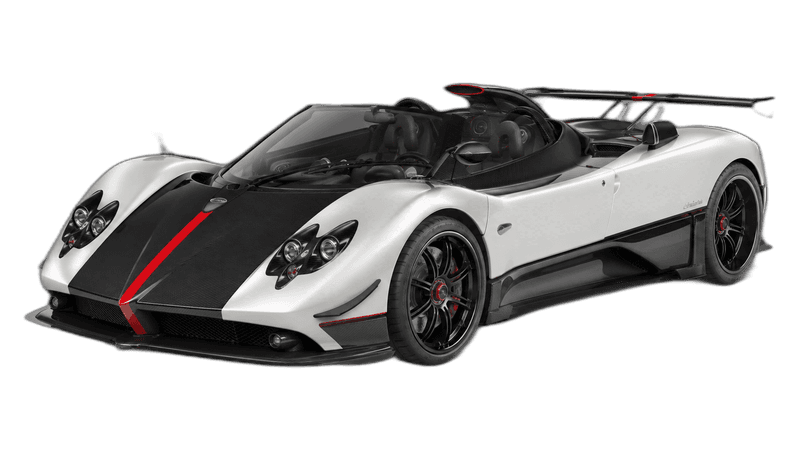
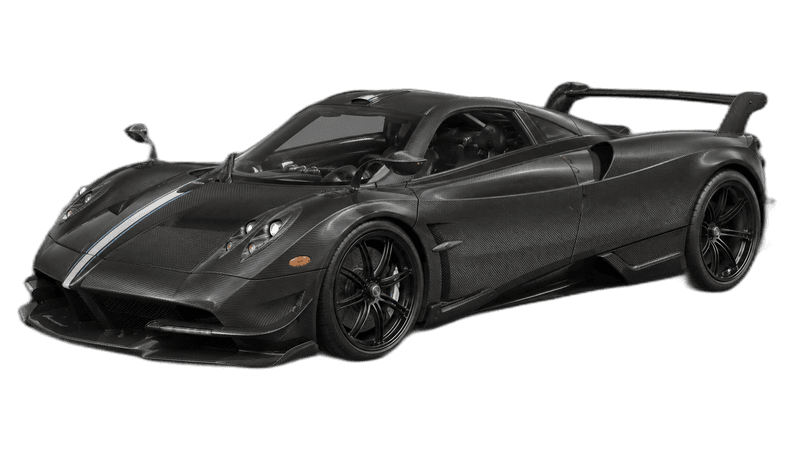
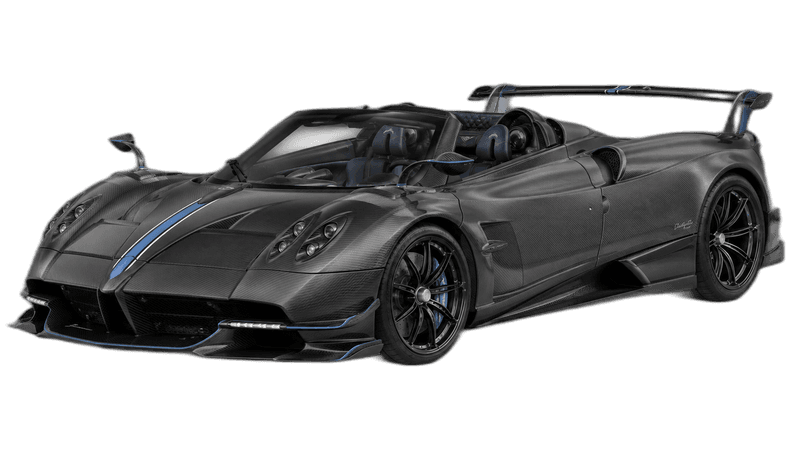
Le point idéal de la rareté extrême se situe entre trois et dix exemplaires. Pagani occupe ce territoire avec une élégance caractéristique. La Zonda HP Barchetta, limitée à trois exemplaires et évaluée à environ GBP 5,000,000, représente la vision personnelle d'Horacio Pagani de l'hypercar découvrable, dépourvue de tout compromis. La Zonda Revolucion, à cinq exemplaires, était la Zonda exclusivement pistarde la plus extrême jamais construite. Les deux voitures illustrent la philosophie de Pagani selon laquelle une voiture doit être façonnée comme un Stradivarius, pas estampée comme une boîte de conserve.
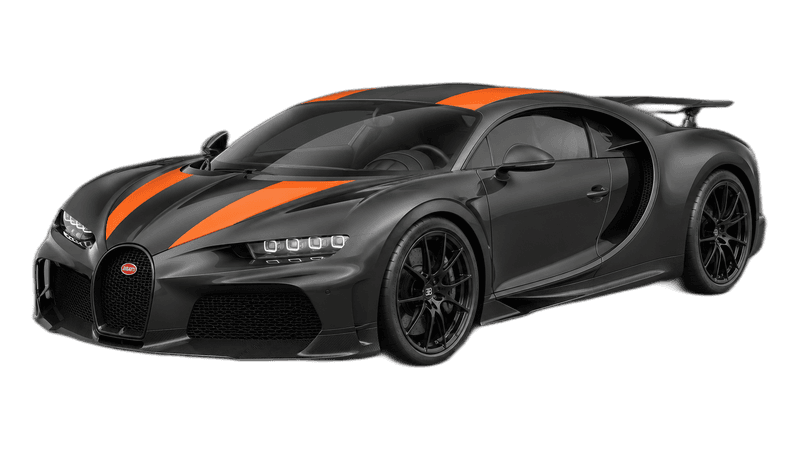
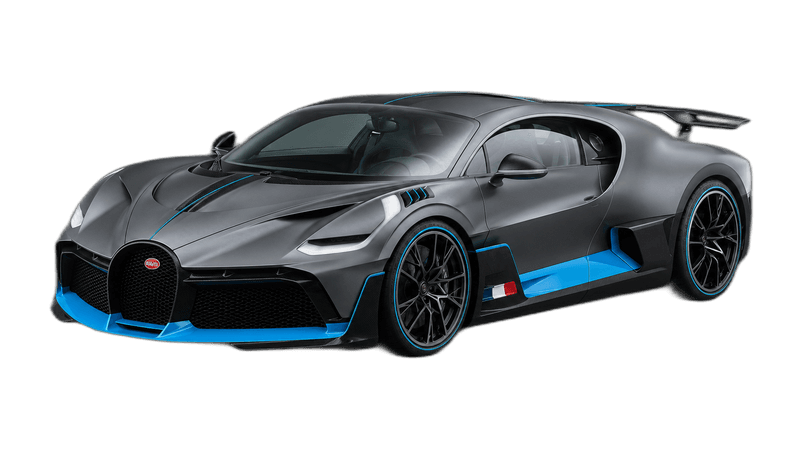
L'approche de Bugatti envers la rareté est différente mais tout aussi convaincante. Là où Pagani limite la production parce que chaque voiture exige des centaines d'heures de finition à la main, Bugatti limite la production parce que le coût d'ingénierie par unité est vertigineux. La Centodieci (10 exemplaires) coûtait GBP 4,800,000 pièce, et la Chiron Super Sport 300+ (30 exemplaires) était affichée à GBP 5,500,000. Ce ne sont pas de petites voitures construites dans de petits ateliers. Ce sont d'énormes machines complexes à moteur W16 que Bugatti a choisi de rendre rares.
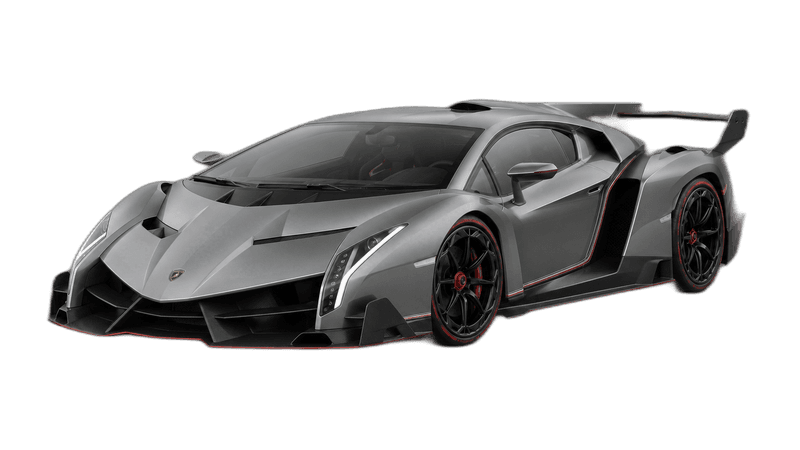
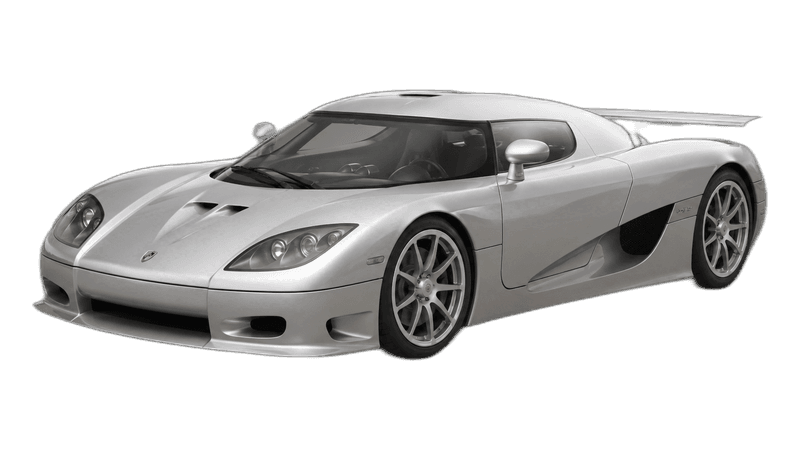
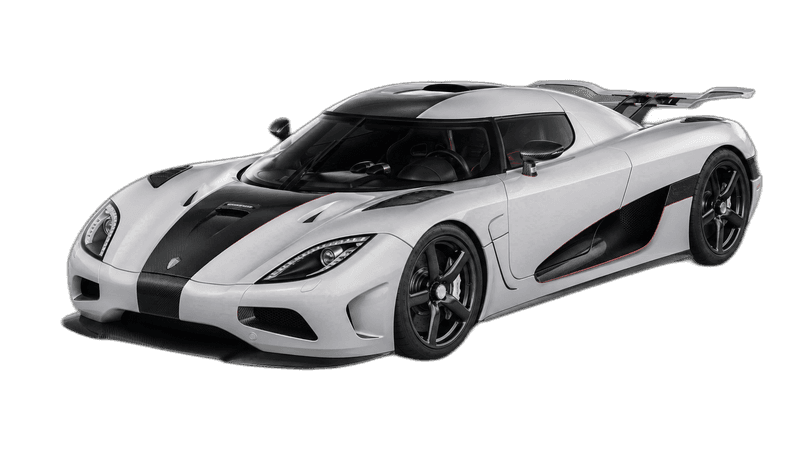
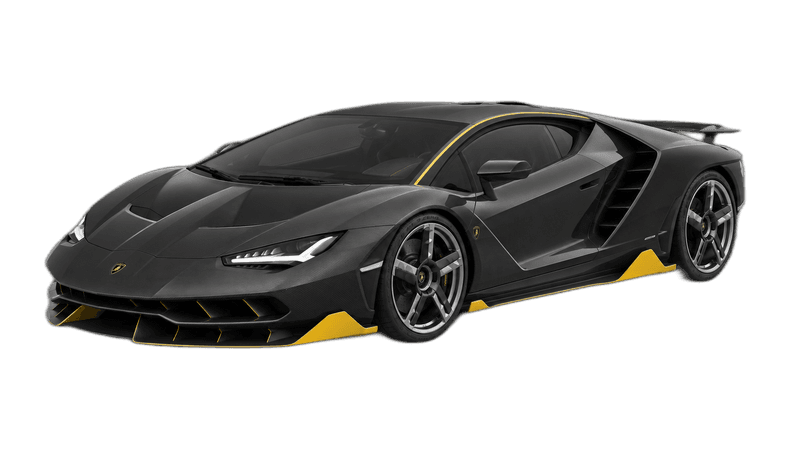
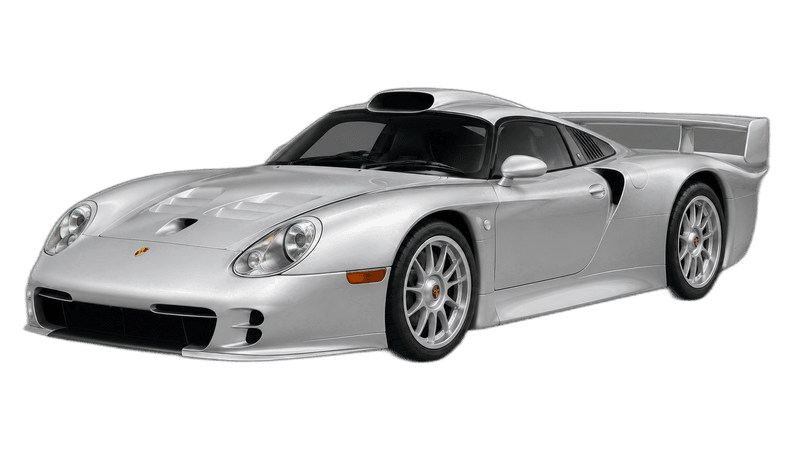
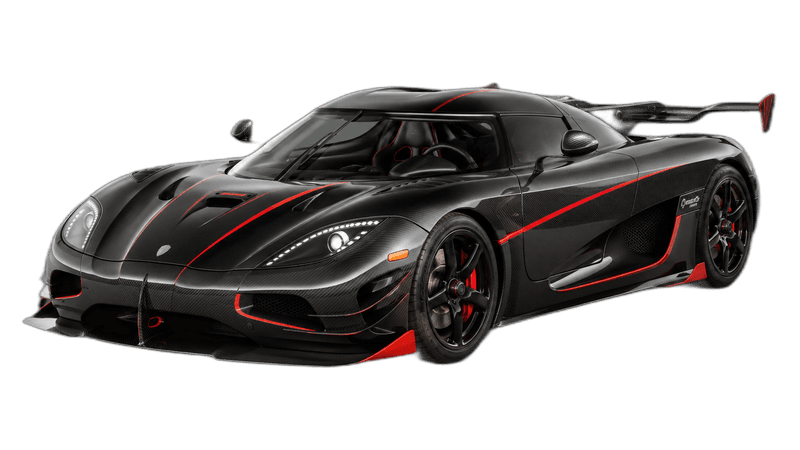
Plus loin dans la liste, les chiffres grimpent à 25 et 40 exemplaires, mais l'exclusivité ne diminue guère. La Porsche 911 GT1 Strassenversion n'existe qu'en 25 exemplaires homologués route, un spécial d'homologation qui n'a jamais été véritablement destiné à la rue. La Koenigsegg Agera RS, également limitée à 25 exemplaires, a détenu plusieurs records mondiaux de vitesse. À 40 exemplaires, la Lamborghini Centenario célébrait le centenaire de la marque avec un nombre de production qui ne correspondait en rien à la puissance de 759 bhp de la voiture ni à son prix de GBP 2,500,000.
Ces voitures ne sont pas simplement coûteuses. Elles sont, au sens le plus littéral, irremplaçables. Curieux de voir à quoi elles ressembleraient aux côtés de vos favorites ? Composez votre Dream Car Garage et assemblez une collection qui ferait pâlir d'envie n'importe quel musée.