Le SUV de luxe est devenu la toile par défaut sur laquelle les grands constructeurs automobiles peignent leurs oeuvres les plus ambitieuses. C'est le segment qui doit satisfaire simultanément l'éventail le plus large d'exigences : la polyvalence du quotidien scolaire, la capacité de voyage intercontinental, une véritable compétence en tout-terrain et le genre de performances qui embarrassent les sportives dédiées au feu rouge.
En 2026, le segment des SUV de luxe couvre une gamme extraordinaire de technologies et de philosophies. Les groupes motopropulseurs 100 % électriques produisent un couple instantané qui rend obsolètes les références traditionnelles du V8. Les V8 et V12 turbocompressés offrent la sonorité et le caractère que les acheteurs aux longues mémoires institutionnelles exigent encore. Les systèmes hybrides tentent de satisfaire les deux camps simultanément.
Notre classement 2026 utilise la puissance maximale comme critère principal. Dans un segment où les performances en ligne droite sont devenues un facteur de différenciation clé, les bhp racontent une histoire honnête.
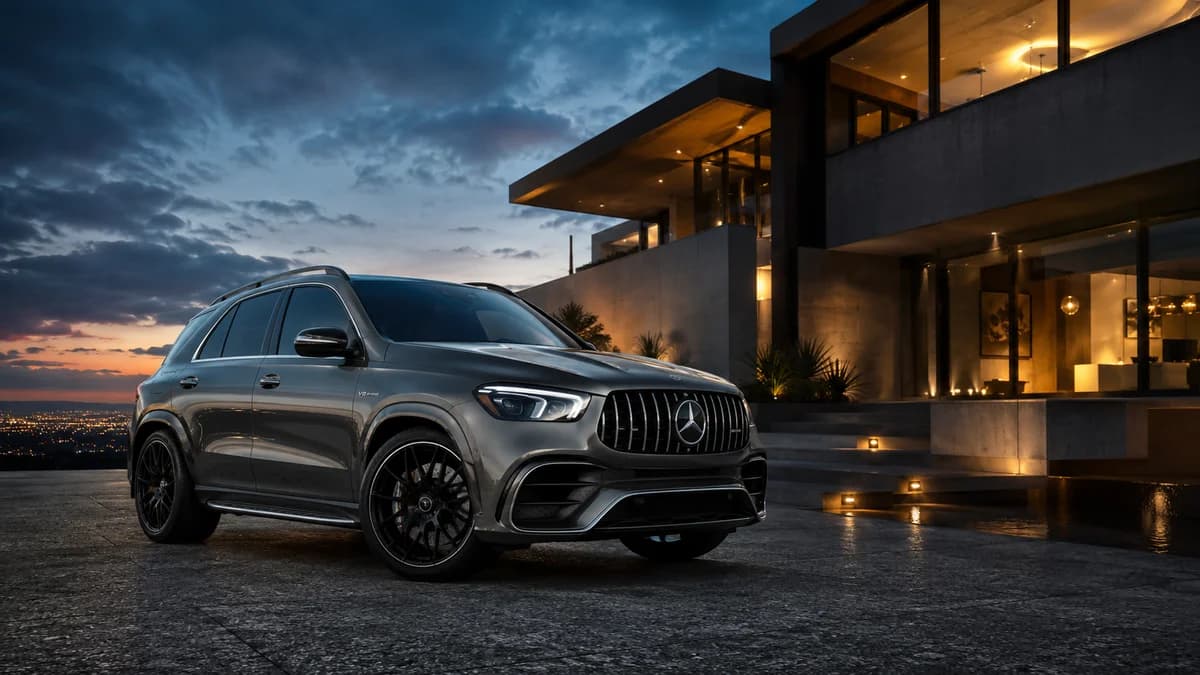
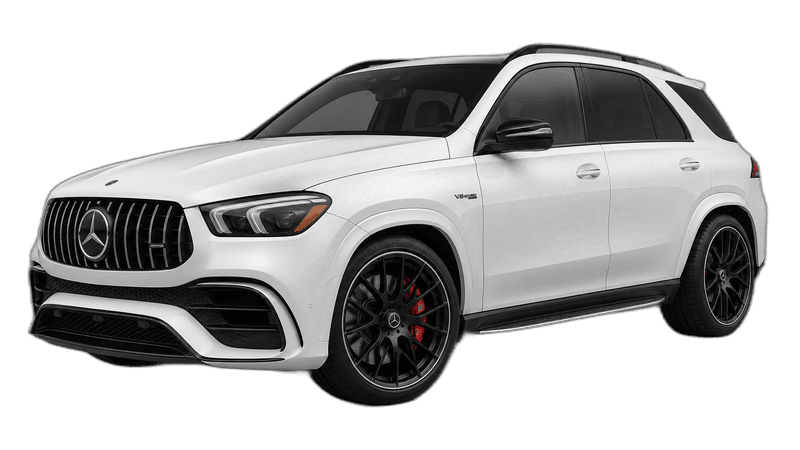
The GLE 63 S deploys 612bhp through AMG's Speedshift 9-speed gearbox and a 4MATIC+ all-wheel drive system with torque-vectoring capability. It is the Q7 rival that forgot it was supposed to be sensible.
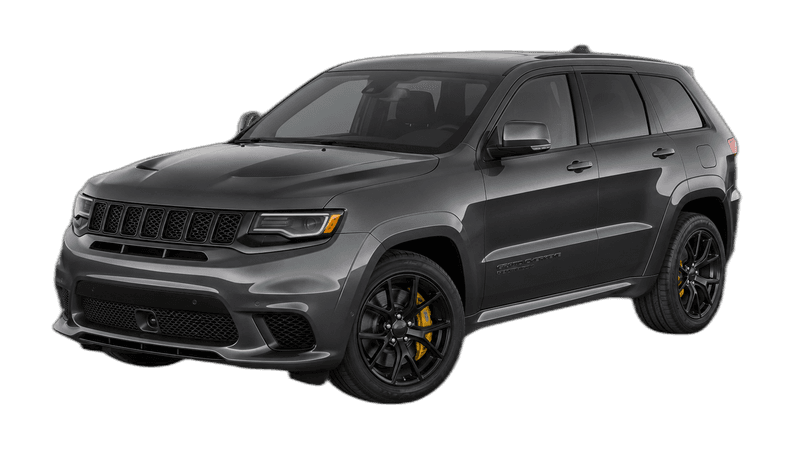
The Trackhawk transplanted the Hellcat V8 into the Grand Cherokee's body for a result that defied category logic: 707bhp, 0-100 km/h in 3.5 seconds, genuine off-road capability, and a drag coefficient that Jeep's engineers chose not to publicise.
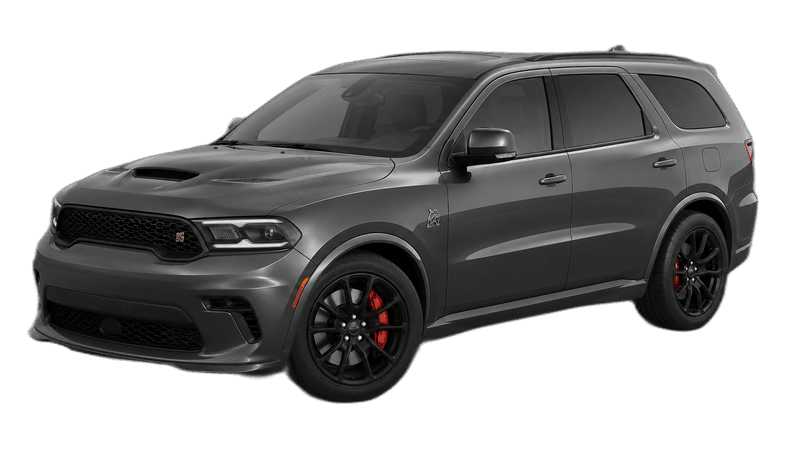
The Durango SRT Hellcat is proof that American engineers operate by different rules. A 710bhp supercharged V8 in a three-row family SUV, a machine of unapologetic excess that achieves the quarter mile in under 11 seconds while seating eight.
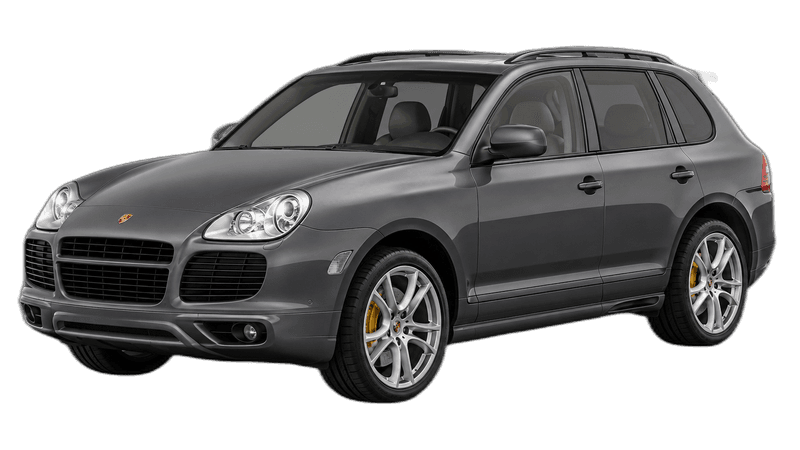
The Cayenne Turbo S E-Hybrid combines a 4.0-litre twin-turbo V8 with a plug-in hybrid system to produce 542bhp, and the ability to run silently on electric power for everyday errands before unleashing the full force for track days.
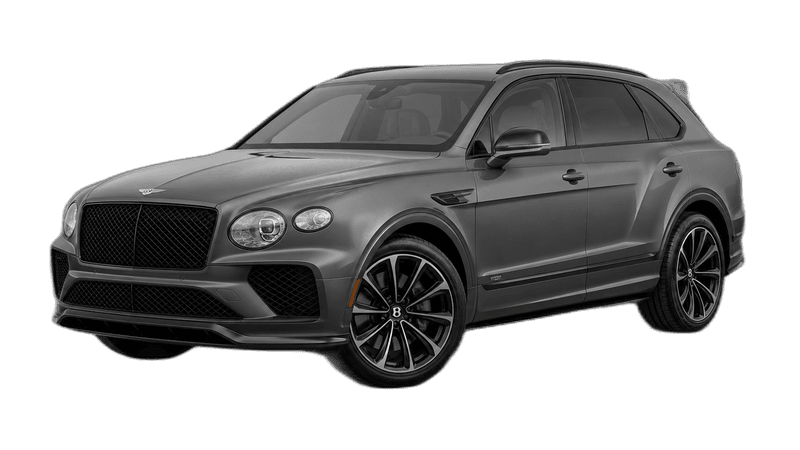
The Bentayga Speed carries the weight of Bentley's heritage into the SUV segment, a 626bhp twin-turbo W12 engine, an active 48-volt anti-roll system, and an interior of hand-finished luxury that no competitor has yet surpassed.
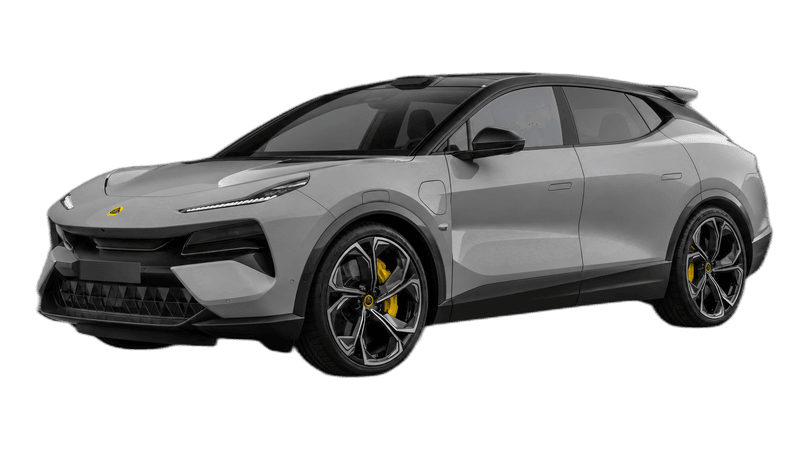
Lotus's first SUV enters the segment at the top: the Eletre R delivers 905bhp from a dual-motor electric powertrain, aerodynamic active elements derived from Formula 1 thinking, and a driving character that no other electric SUV comes close to matching.
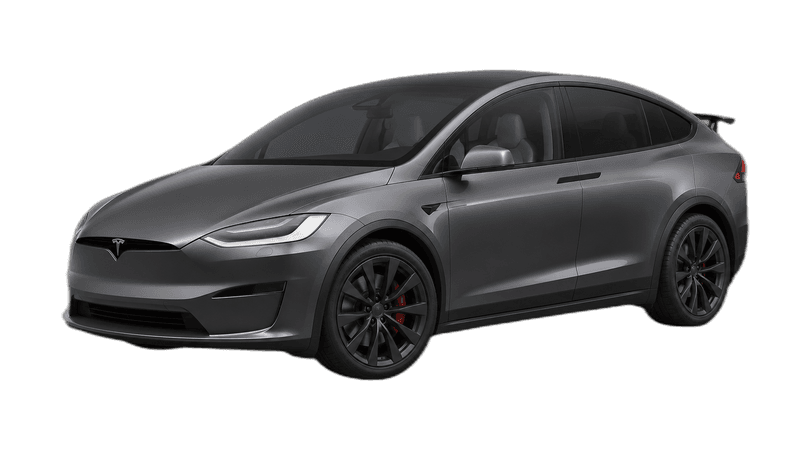
The Model X Plaid is electric performance taken to its logical extreme: 1,020bhp from three motors, 0-100 km/h in 2.6 seconds, and a full-size SUV body that somehow accommodates seven passengers and a yoke steering wheel. The benchmark for every rival.
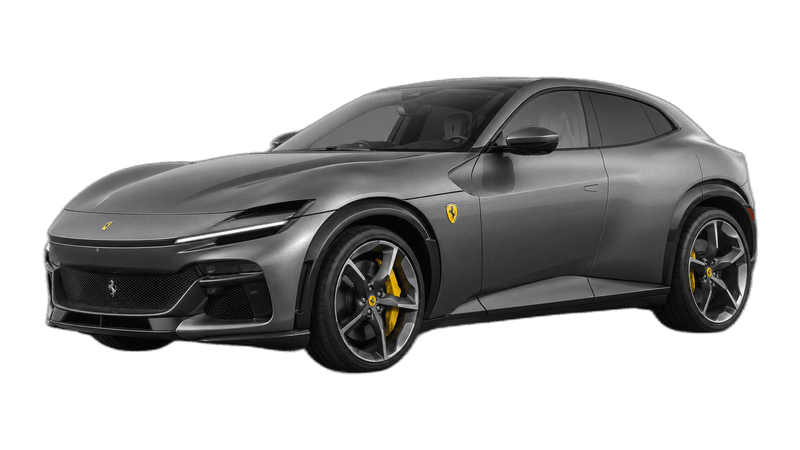
Ferrari insisted for decades that it would never build an SUV. The Purosangue, pure blood, arrived as proof that when Ferrari finally yields, it does so on its own absolute terms: a naturally aspirated 6.5-litre V12, rear-biased AWD, and scissor rear doors. Nothing else in the segment comes close.
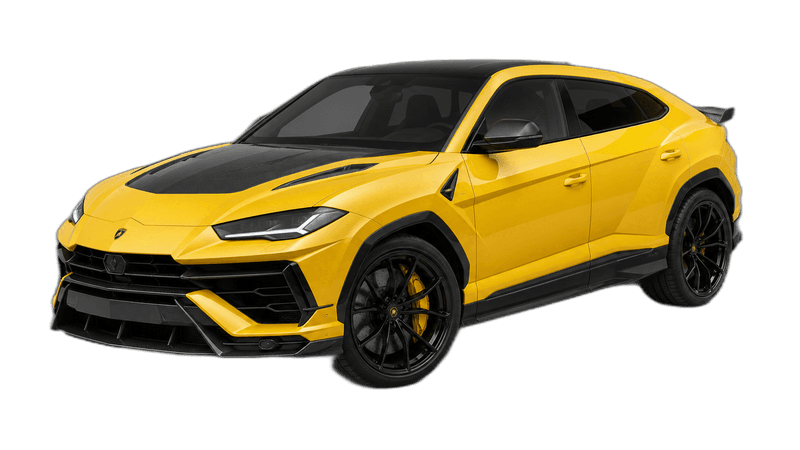
The Urus Performante added 16bhp, shed 47 kg, and introduced a torque-vectoring rear differential to Sant'Agata's controversial but commercially essential SUV. At 657bhp it remains the fastest SUV around the Nürburgring Nordschleife.
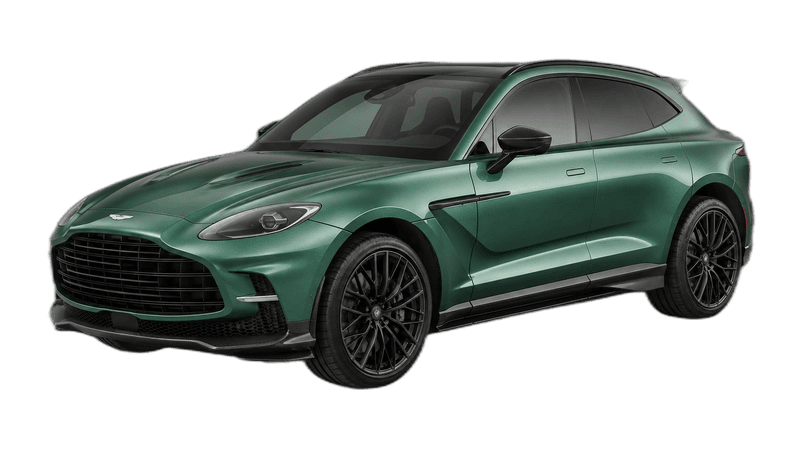
The DBX707 took Aston Martin's SUV formula and turbocharged it: 697bhp from an AMG-sourced twin-turbo V8, a nine-speed wet-clutch gearbox, and a dynamic character that made it the definitive driver's luxury SUV. 707 bhp, 707 PS: the name is the specification.
Le SUV de luxe de 2026 occupe une position de domination culturelle absolue. Chaque grand constructeur en propose un ; les meilleurs exemples du genre dictent désormais la direction de l'industrie tout entière. Les dix machines présentées ici représentent l'état de l'art : des visions différentes du même cahier des charges fondamental, exécutées avec des degrés d'ambition variés, toutes extraordinaires à leur manière.