
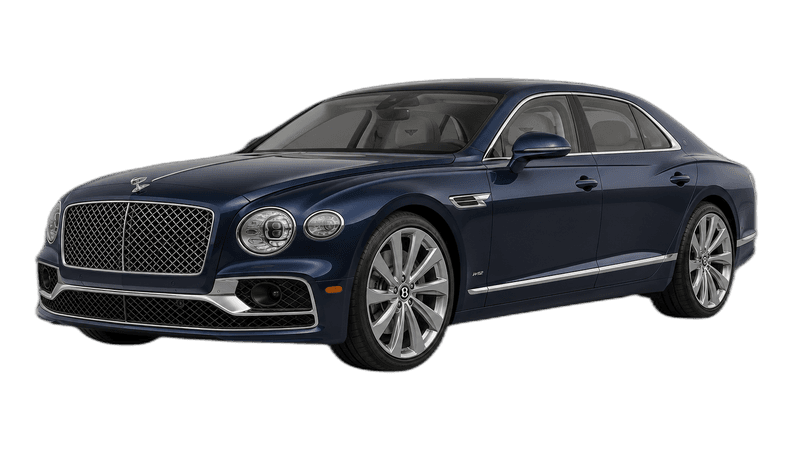
Bentley Flying Spur W12 (3rd Gen)
£155,000
usadoIndicative market price, updated periodically.
626cv
Potencia
3.8s
0-100 km/h
333km/h
Velocidad Máxima
£155,000
Precio Usado
The Bentley Flying Spur W12 (3rd Gen) produces 626 bhp, reaches 100 km/h in 3.8 seconds and has a top speed of 333 km/h. A representative example is worth about £155,000.
Cómo empuja.
La fuerza g máxima en el instante en que pisas a fondo, estimada a partir del 0–100 y la tracción del coche.
Bentley Flying Spur W12 (3rd Gen)G de salida estimada a partir del 0–100 y la tracción: una aproximación honesta, no una cifra medida.
Dream Car Garage Editorial · Edited by José Teo Lorente Vallecillos · Last updated 29 October 2026
Visión General
We have not driven this car. This review is based on published specifications and the sources listed below.
A driver's saloon with a rear cabin
The third-generation Flying Spur was unveiled in 2019 with a 6.0-litre twin-turbocharged W12, an eight-speed dual-clutch transmission and all-wheel drive. Bentley quotes 626 bhp, 900 Nm, 3.8 seconds to 100 km/h and 333 km/h. The wheelbase is 130 mm longer than the previous car, and the body uses a multi-material construction. All-wheel steering and Bentley Dynamic Ride are part of the chassis package, and the cabin includes a rotating centre console with a 12.3-inch touchscreen, analogue dials or a veneer panel.
This guide covers the W12 saloon from 2019. Later V8 and hybrid versions have different engines, weights and running costs. The Flying Spur is a four-door car with a rear cabin that can be specified for chauffeur use, so equipment and condition in the back matter as much as the driver's seat.
We have not driven this model for this article. This desk-researched ownership guide uses Bentley's Flying Spur launch release, PistonHeads' Flying Spur buying guide and the DVSA vehicle recall service. The PistonHeads guide was published in 2020 and concentrates on earlier generations, so its model-specific comments should be treated as general inspection guidance rather than a complete third-generation fault record.
W12, transmission and driveline
The W12 produces 626 bhp and 900 Nm and is matched to an eight-speed dual-clutch transmission. Bentley says the combination delivers faster, smoother gear changes than the previous car. The engine is twin-turbocharged and hand-built at Crewe, and the car uses all-wheel drive.
Start the engine from cold, listen for unusual mechanical noise and inspect for oil and coolant leaks around the turbochargers and pipework. Ask for the diagnostic history and confirm that the gearbox selects drive and reverse cleanly. A large saloon can mask a transmission fault at low speed, so arrange a road test with a specialist who can assess the shifts under load.
Chassis, steering and brakes
The Flying Spur uses all-wheel steering, which turns the rear wheels to reduce the turning circle at low speed and improve stability at higher speed. Bentley Dynamic Ride uses active anti-roll bars to control body movement. Both systems add complexity and cost, so ask whether either has been repaired and have the car scanned for stored faults.
Check the ride height and the air suspension for uneven stance, repeated compressor running or warning messages. Inspect the brakes for disc and pad thickness, fluid history and the condition of the hoses. The car is heavy and fast, so tyres and brakes are consumed quickly when it is used as intended. Check the tyre date codes and wear pattern on all four wheels and obtain a geometry report if the wear is uneven.
Body, paint and glass
The multi-material body combines aluminium and other materials, and the paint and panel gaps are part of the car's appeal. Inspect the shut lines, the chrome trim and the lower sills for damage. Look for paint mismatch that could indicate a repaired panel, and check the windscreen and side glass for chips and delamination.
Open and close every door, including the rear doors, and check that the soft-close system works. Inspect the boot for water marks and confirm that the drains are clear. PistonHeads warns that a blocked scuttle drain can send water into the fuse box or comfort ECU in the footwell, so check the drain and look for damp carpets and electrical faults.
Cabin, rear equipment and electronics
The cabin is the Flying Spur's defining feature. Test the front seats, the rear seats, the heating, cooling and massage functions, the climate control and the entertainment screens. Check the rotating centre display through each of its three positions and confirm that the touchscreen, audio and connectivity work. PistonHeads notes that the rear cabin could be controlled by a remote and that key fobs are susceptible to button wear and expensive to replace, so inspect the fobs and ask for spare keys.
PistonHeads also advises checking that the engine management light works, because removing a bulb is cheaper than fixing the underlying fault. Scan the car for stored codes and ask for the fault history. Check the veneers, leather and headlining for wear, stains or repairs, and confirm that the specification matches the build record.
Recalls, servicing and documentation
Check the vehicle identification number with the DVSA service and ask the seller for evidence of completed campaigns. A recall affecting a particular build period does not prove that every car is affected, but an open safety campaign should be resolved before purchase.
Bentley servicing is expensive, and the W12 has more cylinders and more complex systems than the V8. Ask for invoices covering oil and filter changes, brake fluid, air suspension work, transmission fluid and software updates. PistonHeads mentions fixed-price servicing from a main dealer and specialist suppliers for parts. Treat those figures as historical context and obtain current quotations for any work the car needs.
What to verify before buying
Commission a specialist inspection that covers the engine, transmission, air suspension, all-wheel steering and cabin electronics. Ask for a written report that separates measured findings from the seller's account. Verify the original specification, including paint, wheels, veneers, rear entertainment and the rotating display.
Decide whether the car will be driven or chauffeured. A rear-cabin specification is valuable only if the equipment works, and a high-mileage example may need more suspension and brake work than a low-mileage car. Buy on documentation and condition rather than on the badge alone.
We have not driven this model for this article. No present valuation, investment assurance or universal failure rate is offered. The Flying Spur W12's ownership value is that it combines limousine space with a 626 bhp W12 and a chassis that was engineered to manage the weight. A car bought for its cabin deserves a cabin-level inspection: every seat, screen and trim piece should work as Bentley intended.
Especificaciones
| Motor | 6.0L (5950 cc) twin-turbo W12 petrol |
|---|---|
| Cilindrada | 6.0L |
| Potencia | 626 cv |
| Par Motor | 900 Nm |
| 0-100 km/h | 3.8s |
| Velocidad Máxima | 333 km/h |
| Tracción | AWD |
| País | UK |
| Carrocería | 4-door saloon |
| Años | 2019–present |
| Precio Usado | £155,000 |
Specifications are manufacturer-published figures.
Preguntas Frecuentes
What is a Bentley Flying Spur W12 (3rd Gen) worth?
A representative example is worth about £155,000. Actual values vary with specification, condition and history.
How much power does the Bentley Flying Spur W12 (3rd Gen) have?
The Bentley Flying Spur W12 (3rd Gen) produces 626 bhp and 900 Nm of torque.
How fast is the Bentley Flying Spur W12 (3rd Gen) from 0 to 100 km/h?
The Bentley Flying Spur W12 (3rd Gen) accelerates from 0 to 100 km/h in 3.8 seconds.
What is the top speed of the Bentley Flying Spur W12 (3rd Gen)?
The Bentley Flying Spur W12 (3rd Gen) has a top speed of 333 km/h.
What engine does the Bentley Flying Spur W12 (3rd Gen) have?
The Bentley Flying Spur W12 (3rd Gen) uses a 6.0L (5950 cc) twin-turbo W12 petrol.
When was the Bentley Flying Spur W12 (3rd Gen) built?
Production of the Bentley Flying Spur W12 (3rd Gen) began in 2019.
Is the Bentley Flying Spur W12 (3rd Gen) all-wheel drive?
Yes. The Bentley Flying Spur W12 (3rd Gen) is configured with all-wheel drive.
Más de Bentley
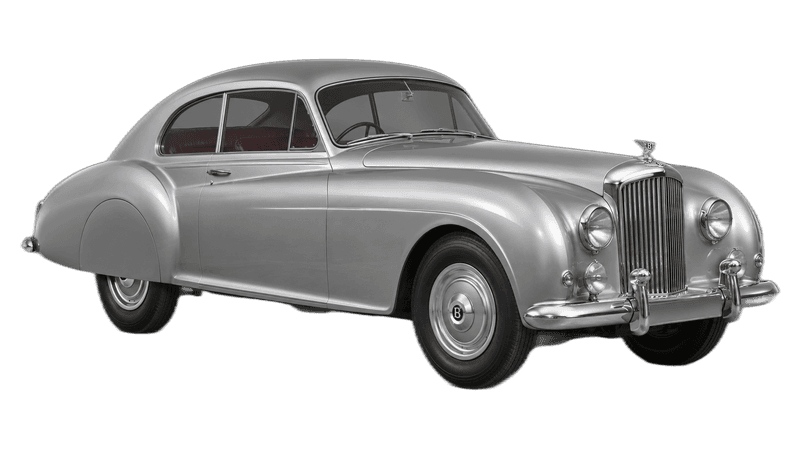 153 cv
Bentley R-Type Continental
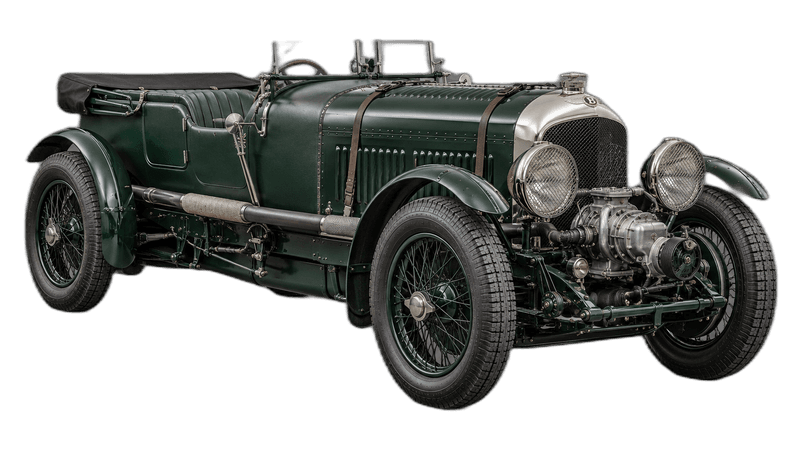 175 cv
Bentley 4½ Litre Blower
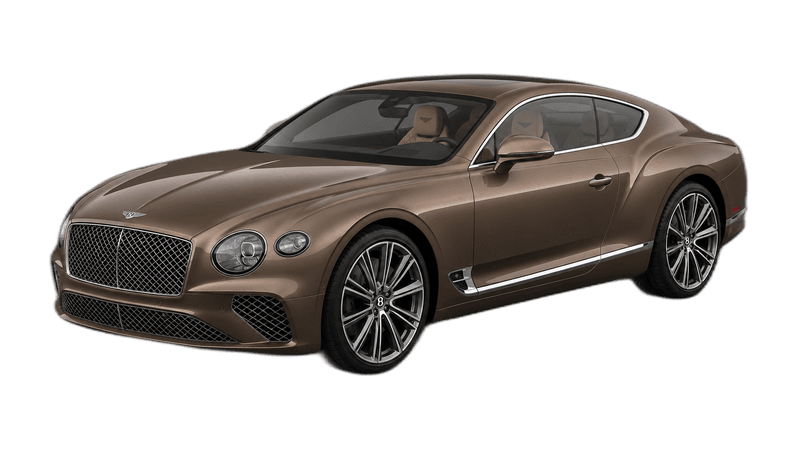 626 cv
Bentley Continental GT Mulliner (3rd Gen)
£230,000
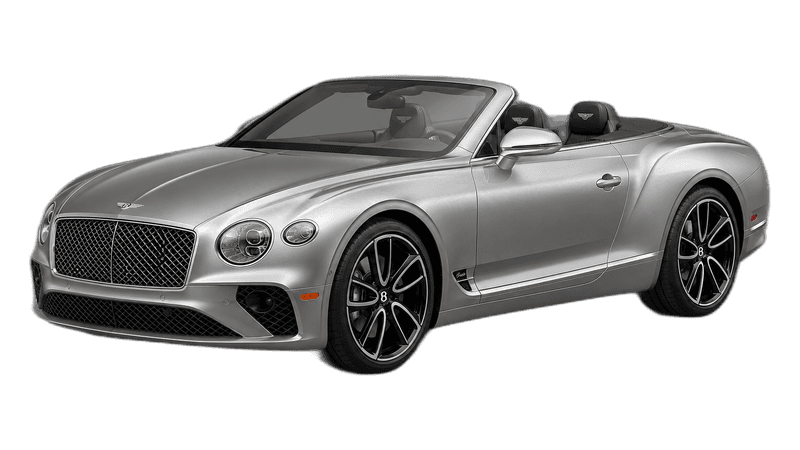 650 cv
Bentley Continental GTC Speed (3rd Gen)
£225,000
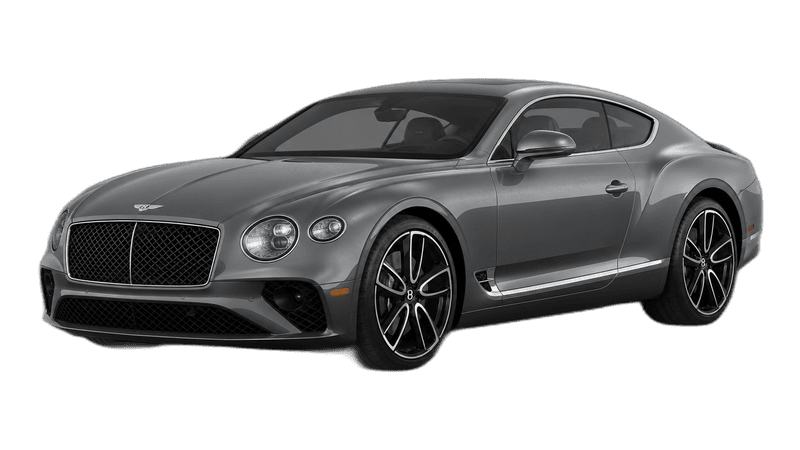 650 cv
Bentley Continental GT Speed (3rd Gen)
£210,000
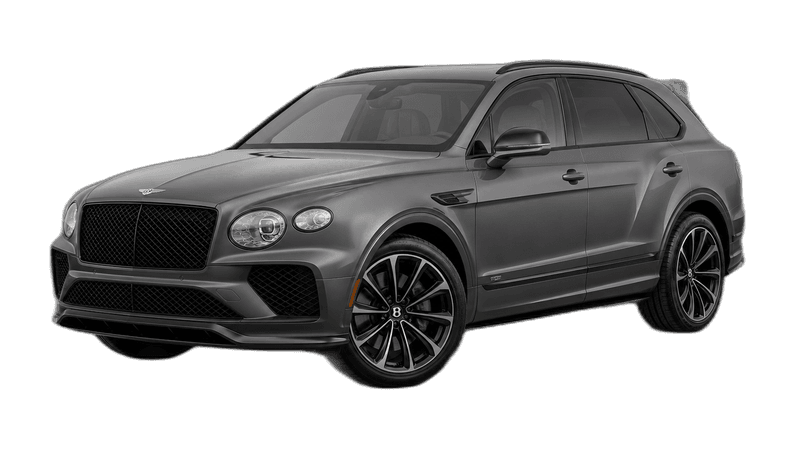 626 cv
Bentley Bentayga Speed
£175,000