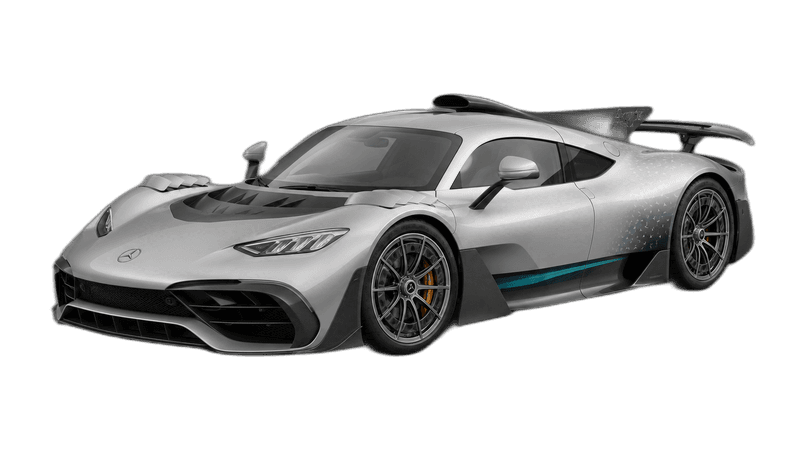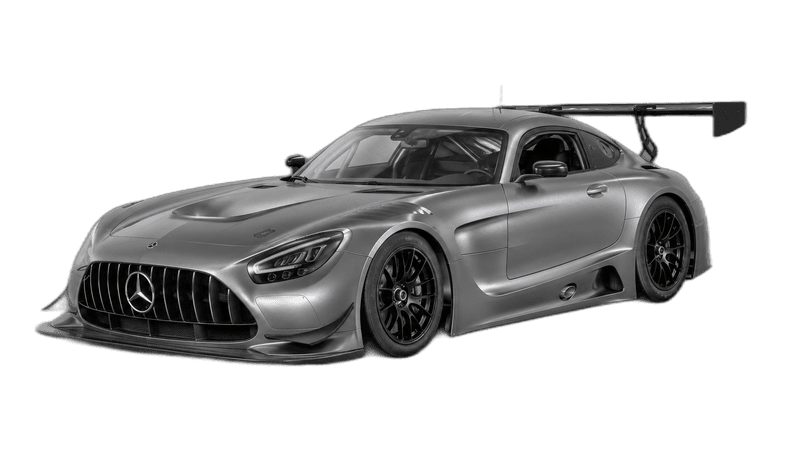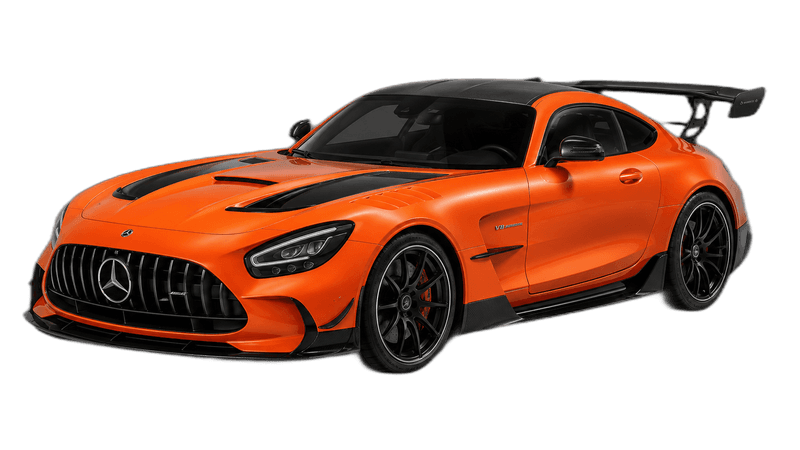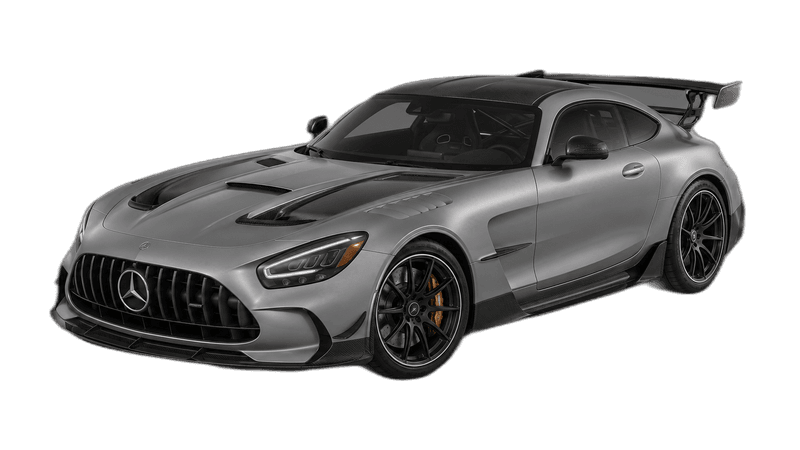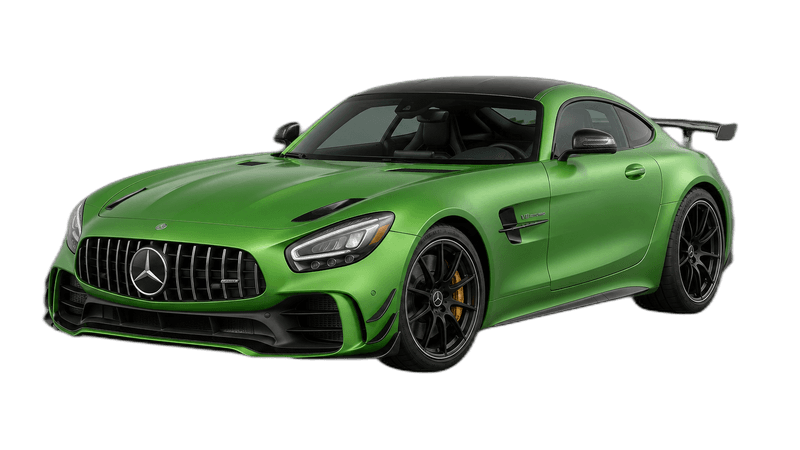
Mercedes-AMG GT R Pro
£260,000
usedIndicative market price, updated periodically.
577bhp
Power
3.6s
0-100 km/h
319km/h
Top Speed
£260,000
Price Used
The Mercedes-AMG GT R Pro produces 577 bhp, reaches 100 km/h in 3.6 seconds and has a top speed of 319 km/h. A representative example is worth about £260,000.
How hard it pulls.
Peak g-force the instant you bury the throttle, estimated from the car's 0–100 time and drivetrain.
Mercedes-AMG GT R ProEstimated peak launch g from the 0–100 time and drivetrain: an honest approximation, not a measured figure.
Dream Car Garage Editorial · Edited by José Teo Lorente Vallecillos · Last updated 28 October 2026
Overview
We have not driven this car. This review is based on published specifications and the sources listed below.
A circuit-focused GT R, not a Black Series
The Mercedes-AMG GT R PRO uses a 3,982 cc twin-turbo V8 producing 585 PS, approximately 577 bhp, and 700 Nm. Rear-wheel drive and a seven-speed dual-clutch transaxle deliver 3.6 seconds to 100 km/h and 319 km/h. It is not the 720 bhp GT Black Series or a standard GT R with a visual package. Its roll cage, carbon-ceramic brakes, revised suspension and lightweight equipment are part of the factory identity.
We have not driven this model for this article. This guide uses the official GT R PRO announcement, the PistonHeads AMG GT buying guide and Mercedes-Benz's VIN recall service. The general GT guide is not a PRO-specific failure history. The cited announcement does not establish an official global production total, so no allocation is assigned here. An online 750-car claim is not enough to create a catalogue count.
Cage, restraints and cabin verification
The factory roll cage and four-point harness arrangement are central to the PRO's equipment. Inspect the cage, mountings and visible surrounding trim for damage or later alteration. Confirm the delivered restraint equipment and ask a specialist to assess its condition and suitability for the intended use. Do not assume that a photograph of another PRO establishes this car's market specification or current legal requirements.
Try the lightweight seats, adjustment and headroom before treating the option list as proof of a suitable driving position. Check access over the sill, bolsters, switches and all occupant restraints. A cage and fixed-back appearance do not tell you whether the cabin fits its next owner. Record any aftermarket seat, harness or cage work separately from factory equipment.
Revised suspension and setup history
The PRO's suspension changes are more important than a general AMG GT ride assessment. Inspect the installed dampers, springs, adjustment hardware and surrounding mounting areas. Obtain geometry readings and ask who last changed the setup and why. An alignment report should correspond with tyre wear and the physical inspection rather than a salesperson's assurance that the car feels correct.
The general GT guide's damper and ride observations are reasons for model-appropriate examination, not proof of a PRO fault pattern. Check for leaks, worn bushes and evidence of contact. If circuit use is part of the history, request subsequent geometry and suspension inspections. That use is neither automatic damage nor a substitute for maintenance evidence.
Carbon-ceramic brakes and circuit-use evidence
Carbon-ceramic brakes are part of the PRO's identity and should not be replaced in the inspection narrative by an assumption about an earlier GT's steel setup. Obtain disc and pad measurements, brake-fluid history and a specialist assessment of the installed system. Cosmetic appearance cannot establish remaining service life. Ask for current quotations if work is recommended.
Circuit use should be connected to dated inspections, fluid work, tyre changes and alignment records. Low mileage cannot describe how the car was driven, and no circuit history does not remove the need for measurements. Historic service costs in the 2020 buying guide are not present estimates for a PRO. Keep the actual findings separate from generic AMG GT anecdotes.
V8, transaxle and oil-feed history
Observe the V8 cold and warm and request diagnostic records before warnings are cleared. Inspect for oil and coolant leaks and obtain annual or mileage-appropriate service invoices. PistonHeads lists a 12,500-mile schedule in its market guide; treat that as a service-history reference, not permission to ignore time-based work or current manufacturer requirements. Ask the specialist to confirm the schedule for this chassis and use.
The seven-speed dual-clutch transaxle should be assessed through normal operation and diagnostic history. Document any sensor, software or seal work. The guide's general GT reports do not establish a PRO-wide defect. Modified exhaust, intake or software equipment should be listed and any warranty claim checked directly with the provider rather than relying on an advertisement.
Tyres, aero and underbody
Confirm the approved wheel and tyre specification, age and wear. The PRO's suspension and aerodynamic setup do not make any wheel package acceptable. Compare uneven wear with geometry and suspension findings. Inspect the front splitter, rear wing, mounts and undertrays for contact or repairs. Do not confuse the PRO's active underbody aerodynamics with the Black Series' manually adjustable front diffuser or flat-plane-engine package.
Examine body panels and visible carbon components for accident repairs and ask for documentation. A working front lift, if fitted, does not prove the underside has escaped damage. Record where the inspector could not gain access and whether further examination is needed before purchase.
General GT ownership evidence, carefully bounded
The PistonHeads guide discusses turbo oil-feed and ESP-related recalls in some early cars, plus ECU, radar and seatbelt-related campaigns. Use those reports to check this VIN and dealer history, not to declare every PRO affected. The recall page allows a Mercedes-Benz centre to search current recalls by VIN. A clear result does not verify unrelated repairs or service quality.
Demonstrate the infotainment, cameras, sensors and seat adjustments. The guide's comments about visibility and headroom make an actual seating check worthwhile. Body dings, trim and electronic functions should be documented individually. Do not import a later infotainment layout into a car built before that equipment changed.
Sources and inspection limits
Use the VIN recall service and retain written dealer confirmation of completed campaigns. Match the build record to cage, seats, brakes, suspension and aerodynamic parts. Dated invoices should connect servicing, storage, circuit use and modifications. An independent PRO-familiar inspection should list diagnostics, measured consumables and every area that could not be tested.
We have not driven this model for this article. No present transaction price, investment assurance or universal reliability claim is offered. The official page establishes the PRO's specification, while the general AMG GT guide supplies bounded inspection context. Production remains unset because the cited official material does not establish a global total. The strongest evidence is a correctly equipped car with complete setup, restraint, brake and diagnostic records.
Specifications
| Engine | 4.0L (3982 cc) twin-turbo V8 |
|---|---|
| Displacement | 4.0L |
| Power | 577 bhp |
| Torque | 700 Nm |
| 0-100 km/h | 3.6s |
| Top Speed | 319 km/h |
| Drivetrain | RWD |
| Country | Germany |
| Body Style | 2-door coupe |
| Years | 2019–present |
| Price Used | £260,000 |
Specifications are manufacturer-published figures.
Frequently Asked Questions
What is a Mercedes-AMG GT R Pro worth?
A representative example is worth about £260,000. Actual values vary with specification, condition and history.
How much power does the Mercedes-AMG GT R Pro have?
The Mercedes-AMG GT R Pro produces 577 bhp and 700 Nm of torque.
How fast is the Mercedes-AMG GT R Pro from 0 to 100 km/h?
The Mercedes-AMG GT R Pro accelerates from 0 to 100 km/h in 3.6 seconds.
What is the top speed of the Mercedes-AMG GT R Pro?
The Mercedes-AMG GT R Pro has a top speed of 319 km/h.
What engine does the Mercedes-AMG GT R Pro have?
The Mercedes-AMG GT R Pro uses a 4.0L (3982 cc) twin-turbo V8.
When was the Mercedes-AMG GT R Pro built?
Production of the Mercedes-AMG GT R Pro began in 2019.
Is the Mercedes-AMG GT R Pro all-wheel drive?
No. The Mercedes-AMG GT R Pro is configured with rear-wheel drive.