

Bentley Continental GT Speed (2nd Gen)
£85,000
usedIndicative market price, updated periodically.
650bhp
Power
3.6s
0-100 km/h
335km/h
Top Speed
£85,000
Price Used
How hard it pulls.
Peak g-force the instant you bury the throttle, estimated from the car's 0–100 time and drivetrain.
Bentley Continental GT Speed (2nd Gen)Estimated peak launch g from the 0–100 time and drivetrain: an honest approximation, not a measured figure.
The Bentley Continental GT Speed (2nd Gen) is a 2-door coupe by Bentley, with 650 bhp, 900 Nm of torque, a 0-100 km/h time of 3.6 seconds and a top speed of 335 km/h. Indicative used value: approximately £85,000. Actual values vary with specification, condition and history.
Dream Car Garage Editorial · Last updated 29 October 2026
Overview
We have not driven this car. This review is based on published specifications and the sources listed below.
The Speed line sharpens
The Speed badge on a Continental GT denotes the sharpened derivative, and the second generation carried it from 2012 to 2018. When the wider Continental GT range was facelifted that year, the Speed came with it: Bentley quoted a launch figure of 625 hp, a potential 205 mph and a chassis tuned more firmly than the standard car, with quicker responses and a more assertive soundtrack. The catalogue records this car at 650 bhp and 900 Nm, a run to 100 km/h in 3.6 seconds and a 335 km/h maximum, through all-wheel drive. The two figures tell the same story from different measurement conventions, and the difference between period launch claims and homologated outputs is a normal feature of this class.
We have not driven this model for this article. This desk-researched ownership guide relies on Bentley's official GT Speed hub, which covers the Speed line across generations rather than the second generation alone, a PistonHeads spot-check feature on 200 mph British bruisers and the DVSA vehicle recall service. The PistonHeads piece examines a specific 2012 car in its steal-or-no-steal format rather than surveying the model range, so its observations are inspection prompts for the individual example, not predictions that every GT Speed will behave the same way.
What the second-generation Speed is
Under the bodywork the formula follows the first generation's template: the 5,998 cc twin-turbocharged W12, an eight-speed automatic with torque converter, all-wheel drive and air suspension with Continuous Damping Control, here tuned to the Speed's firmer brief. The second generation brought more aluminium in its structure, a wider track and a cabin that moved the game on in technology and finish. The Speed's differences are calibration as much as hardware: mapping, exhaust and damper settings that trade a measure of the standard car's waft for pace that embarrasses most dedicated sports cars. The claimed 205 mph potential matters less than what the car feels like at motorway speeds, where the W12's torque and the eight-speed's long legs make overtaking a formality. The badge had already proven the formula: the first-generation Speed of 2007 took 608 bhp to a 202 mph maximum, and used examples of that car became the affordable entry to the idea, so the second generation arrived with expectations rather than questions. What it added was breadth: the wider track, the aluminium-rich structure and a cabin whose technology moved the grand-touring game on.
Powertrain and chassis checks
The W12's known checks carry over from the first generation: coil packs on their replacement rhythm, oil analysis for peace of mind on the rare head-gasket scenario, turbo health tied to correct synthetic service, and cooling system condition. The ZF eight-speed is a robust unit, but the all-wheel-drive system and its clutch packs deserve a fluid history. On the test drive, pay attention to cold-shift behaviour: a unit that flares or hunts when the gearbox oil is cold and then settles as it warms usually wants a fluid service rather than a rebuild, but the negotiation should reflect the work. Brakes on the Speed were offered as carbon-ceramics, and their condition should be measured in disc thickness and pad life rather than appearance; a full replacement set is a five-figure bill from Bentley. The air suspension and its dampers should be cycled through their settings on a test drive, and any knock over broken surfaces traced before purchase rather than after.
Cabin, equipment and daily realities
This is a near-two-and-a-half-tonne luxury GT with four usable seats and a boot that swallows a long weekend, so the realistic use case is fast-distance work. The interior wears well: leather quality is high, veneers are real, and the infotainment of the period has dated less badly than most. Options to verify include the Mulliner Driving Specification, the Naim audio upgrade and rear-seat entertainment, all of which affect value more than function. Fuel consumption in the mid-teens is the honest expectation, and tyres in the standard 20 or 21 inch sizes are priced for the class.
Buying and values
The PistonHeads spot check in mid-2022 looked at a one-owner 2012 Speed with 45,000 miles at 56,995 pounds, against an original price of around 151,000 pounds a decade earlier, both quoted here only as historical context from the source guide. The shape of that comparison is the second-generation Speed's position in one line: heavy depreciation from new, stable demand in the used market, and a widening gap between the best-kept cars and the rest. A main-dealer or recognised-specialist service file, evidence of brake and tyre expenditure, and dry electrics are what the premium buys. The Speed sits between the standard car and the Supersports in both price and intent: it kept the rear seats, the full luxury trim and the everyday usability, which is why it outsold the harder car. The standard 20-inch wheels are the sensible ownership choice, and the price of a matched set of tyres for this class should be established before purchase rather than after.
We have not driven this model for this article. No present valuation, investment assurance or universal failure rate is offered. The second-generation GT Speed's value as an ownership proposition is that it compresses continent-crossing pace and hand-built cabin quality into a package whose used price reflects its age rather than its ability, provided the brakes, drivetrain and service file check out. Buy on documentation, and the sharpened Speed line justifies its name.
Specifications
Engine
6.0L (5998 cc) twin-turbo W12 petrol
Displacement
6.0L
Power
650 bhp
Torque
900 Nm
0-100 km/h
3.6s
Top Speed
335 km/h
Drivetrain
AWD
Country
UK
Body Style
2-door coupe
Years
2012–2018
Price Used
£85,000
Specifications are manufacturer-published figures.
More from Bentley
 626 hp
Bentley Continental GT Mulliner (3rd Gen)
£230,000
 650 hp
Bentley Continental GTC Speed (3rd Gen)
£225,000
 650 hp
Bentley Continental GT Speed (3rd Gen)
£210,000
 626 hp
Bentley Flying Spur W12 Speed
£175,000
 626 hp
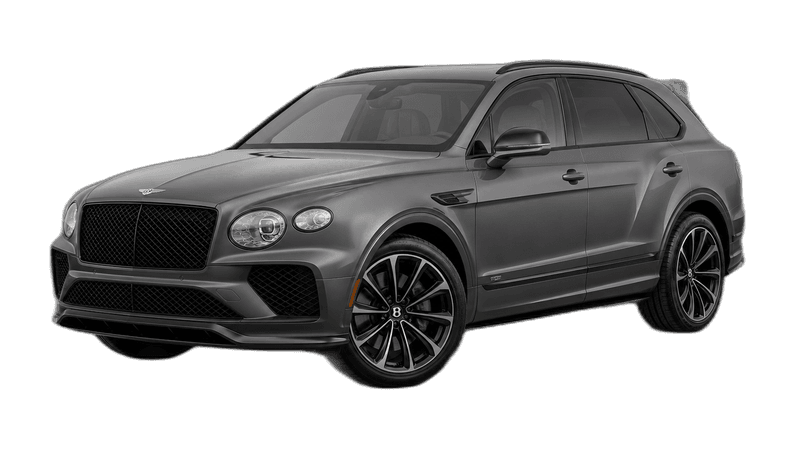
Bentley Bentayga Speed
£175,000
 542 hp
Bentley Continental GT V8 (3rd Gen)
£155,000
Frequently Asked Questions
What are the specifications of the Bentley Continental GT Speed (2nd Gen)?
The Bentley Continental GT Speed (2nd Gen) is a 2-door coupe by Bentley, with 650 bhp, 900 Nm of torque, a 0-100 km/h time of 3.6 seconds and a top speed of 335 km/h. Indicative used value: approximately £85,000. Actual values vary with specification, condition and history.
How much does a Bentley Continental GT Speed (2nd Gen) cost?
Indicative used value: approximately £85,000. Actual values vary with specification, condition and history.
What drivetrain does the Bentley Continental GT Speed (2nd Gen) use?
The Bentley Continental GT Speed (2nd Gen) is configured with all-wheel drive.
What type of car is the Bentley Continental GT Speed (2nd Gen)?
The Bentley Continental GT Speed (2nd Gen) is a hyper gts manufactured by Bentley in UK. Production ran from 2012 to 2018.