The Golden Era
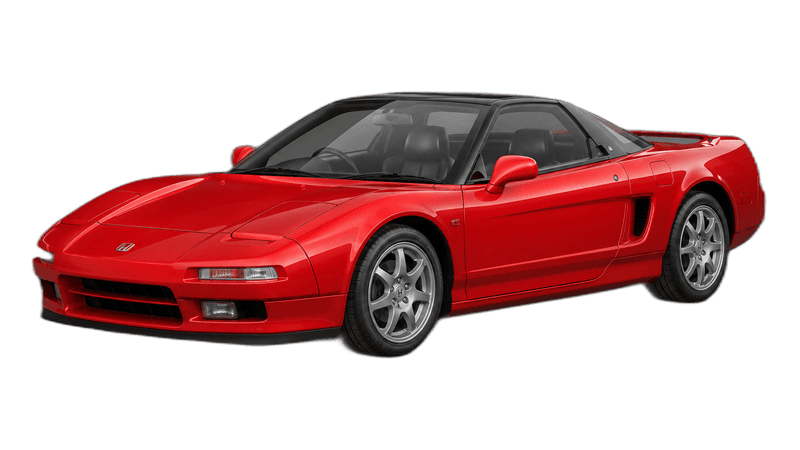
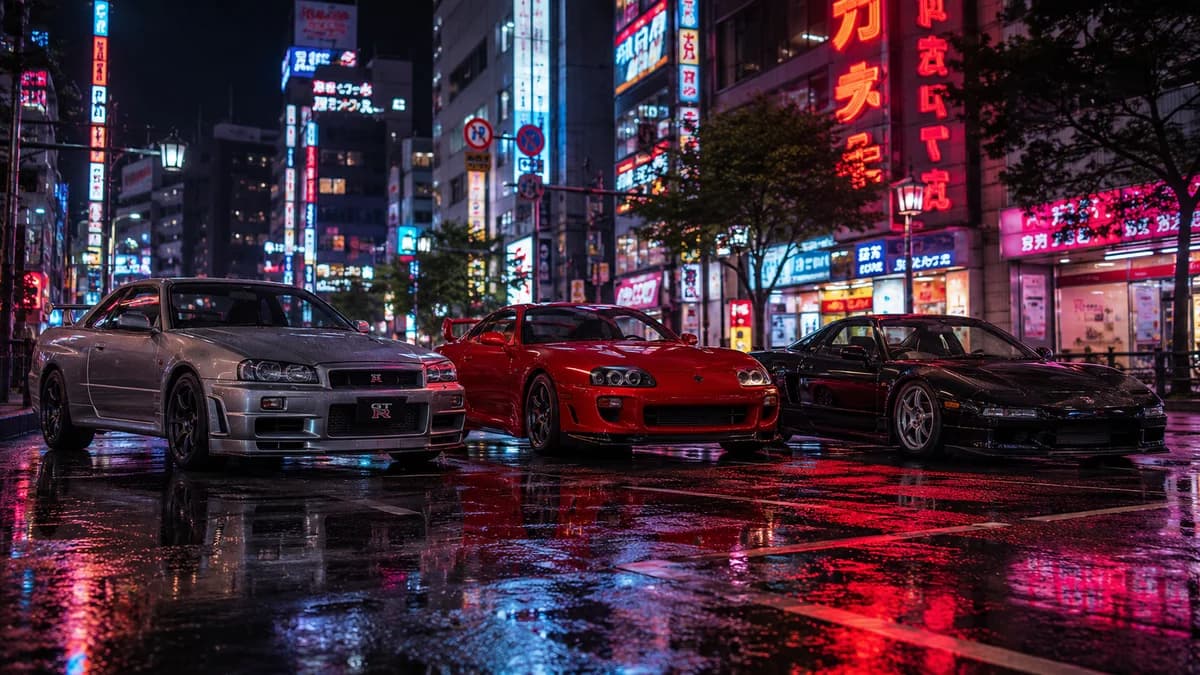
Between 1989 and 2002, Japan produced a generation of sports cars that rewrote the rules of performance engineering. The Honda NSX arrived in 1990 with a 3.0-litre VTEC V6, an aluminium monocoque, and a mid-engine layout that made the Ferrari 348 feel agricultural. It was the first car Ayrton Senna personally benchmarked on the Suzuka circuit, and the car he told Honda to make stiffer. The production NSX gained revised spring rates within months of his feedback. No European manufacturer had ever given a Formula 1 driver veto power over a road car's suspension tune.
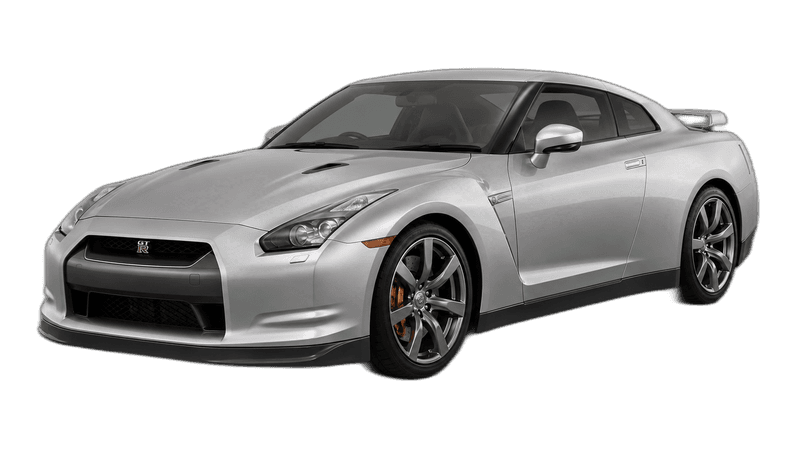
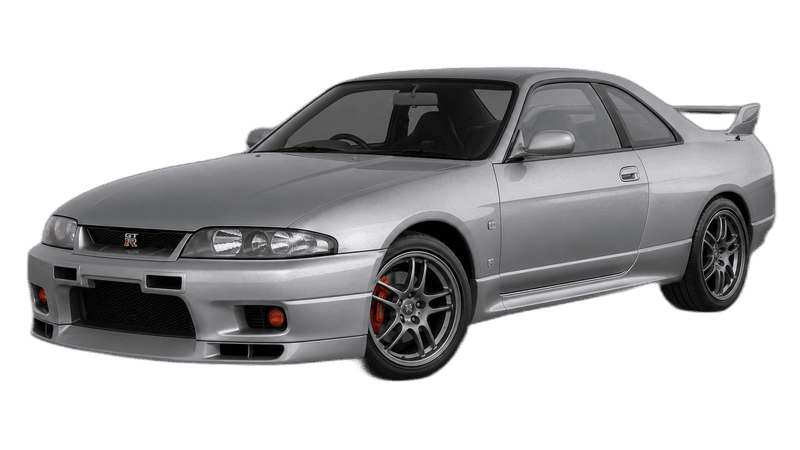
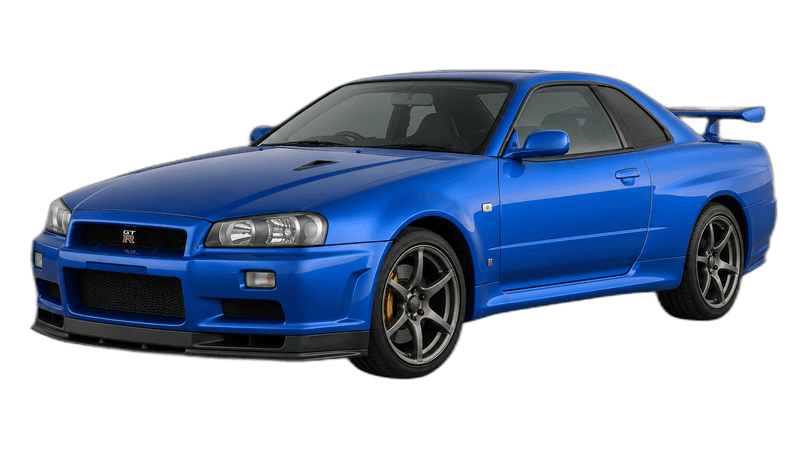
The Nissan Skyline GT-R R32, launched in 1989, introduced the ATTESA E-TS all-wheel drive system and the RB26DETT, a 2.6-litre twin-turbo straight-six rated at 276 bhp (the gentleman's agreement figure) but widely believed to produce over 320 bhp in standard form. The R32 won 29 consecutive races in the Australian Touring Car Championship, earning the nickname "Godzilla." The R33 and R34 that followed refined the formula, with the R34 V-Spec II producing a factory-claimed 276 bhp that dyno tests routinely measured above 330.
The Philosophy
Japanese automotive engineering has always prioritised systems integration over brute force. Where a European manufacturer might solve a handling problem by adding power, a Japanese engineer would redesign the differential. Where Porsche uses turbocharging to add top-end thrust, Honda invented VTEC to extract every last revolution from a naturally aspirated engine. The Japanese approach is not about being faster on paper, it's about being faster in practice, on real roads, in imperfect conditions.
The gentlemen's agreement of 276 bhp was the most creative lie in automotive history. Every manufacturer adhered to the number on paper while engineering their cars to produce 20-50% more in reality. It was a masterclass in Japanese corporate diplomacy.
This philosophy extends to the tuning culture. Japanese aftermarket engineering, from HKS turbo kits to Ohlins suspension, from Rays Engineering wheels to Bride bucket seats, represents a parallel industry as sophisticated as the factory engineering itself. A properly built 600 bhp RB26 is not a crude hot-rod; it's a precision instrument, with every component specified, tested, and validated to work within a coherent system. The same attention to integration that defined the factory cars defines the tuning culture built around them.
The Cars That Defined It
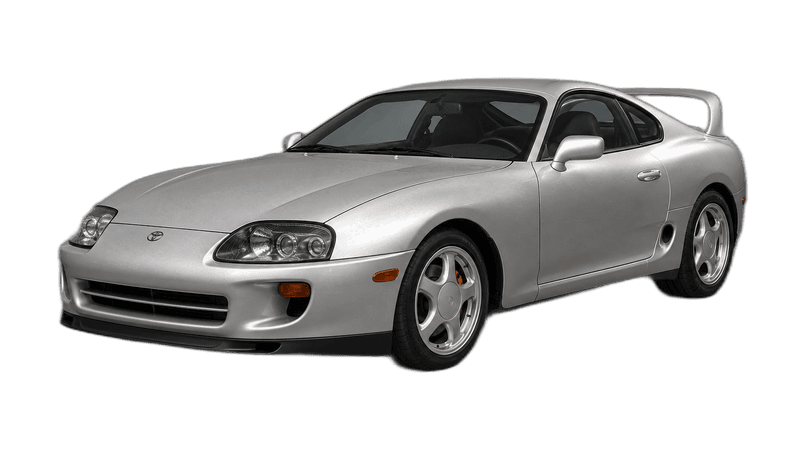
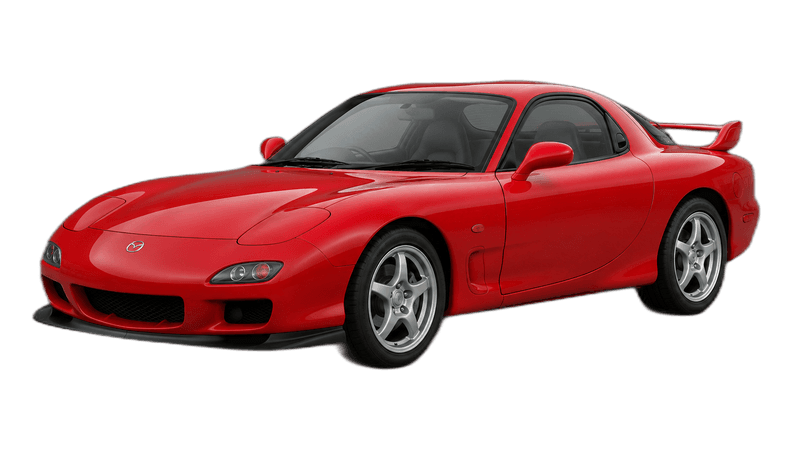
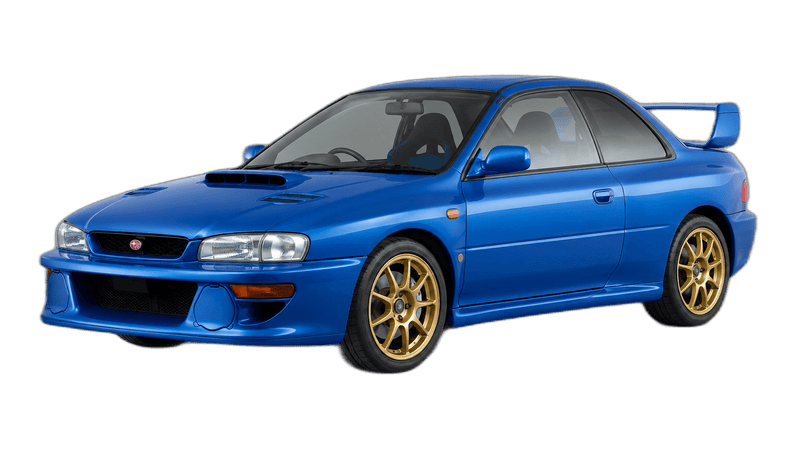
The Mazda RX-7 FD3S, powered by the 1.3-litre twin-turbo 13B-REW rotary producing 276 bhp, weighed just 1,260 kg. Its front-midship engine placement, the engine sat entirely behind the front axle, gave it a 50:50 weight distribution that no piston-engined rival could match. The Toyota Supra JZA80, with its 2JZ-GTE twin-turbo straight-six, became the foundation of an entire tuning subculture: the 2JZ's cast-iron block can reliably support 1,000+ bhp with aftermarket internals. The Subaru Impreza 22B STi, limited to 400 units in 1998, combined a 2.2-litre turbocharged boxer-four with rally-derived all-wheel drive and a wide-body that looked like it had driven straight off a WRC stage. It sold out in 30 minutes.
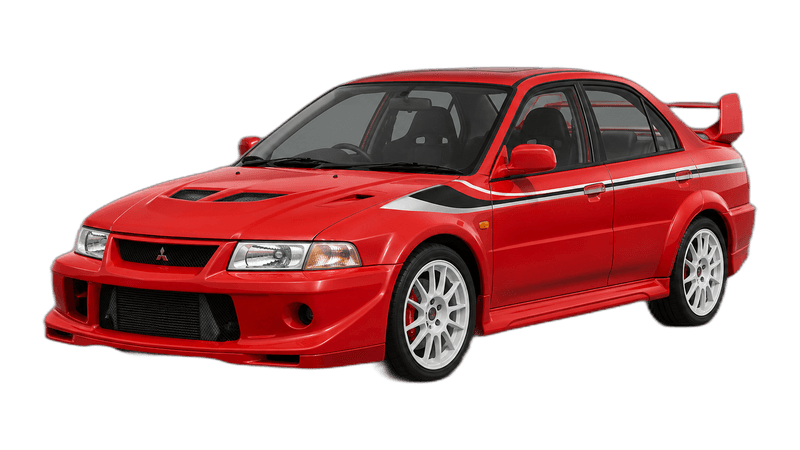
And then there was the Mitsubishi Lancer Evolution, nine progressively more extreme iterations of a family saloon transformed into a rally weapon. The Evo VI Tommi Mäkinen Edition, the Evo VIII MR FQ-400, the Evo IX GT, each one faster, more focused, and more absurd than the last. Mitsubishi's engineers took a platform designed to carry shopping and turned it into a car that could embarrass a Porsche 911 Turbo on a B-road. That is JDM engineering distilled to its essence.
The Modern JDM
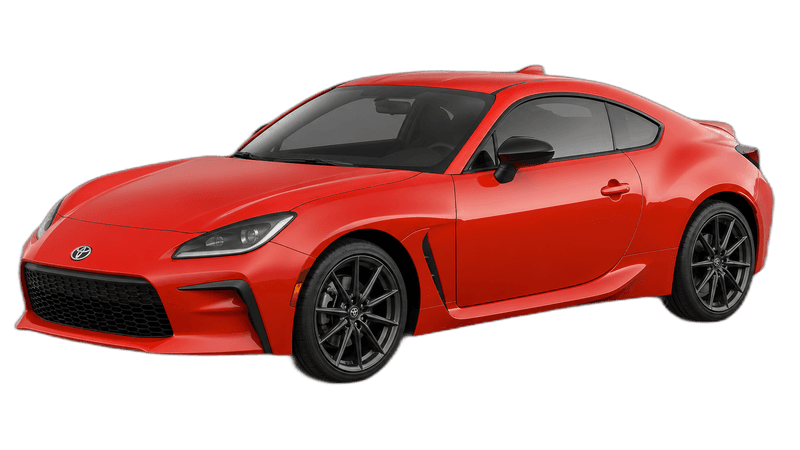
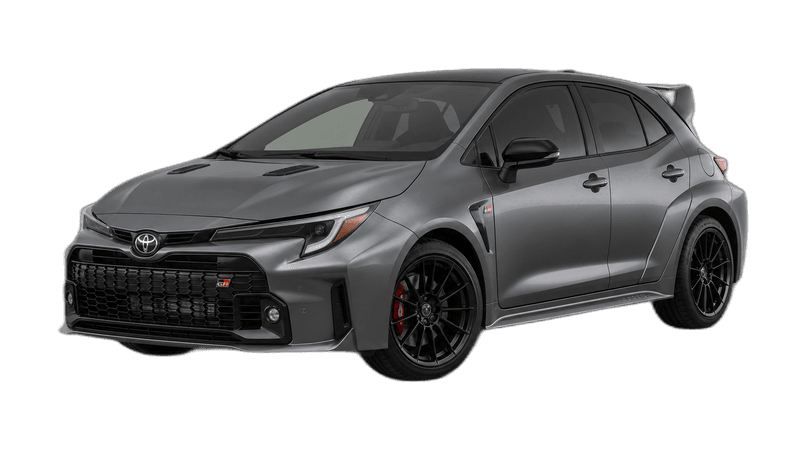
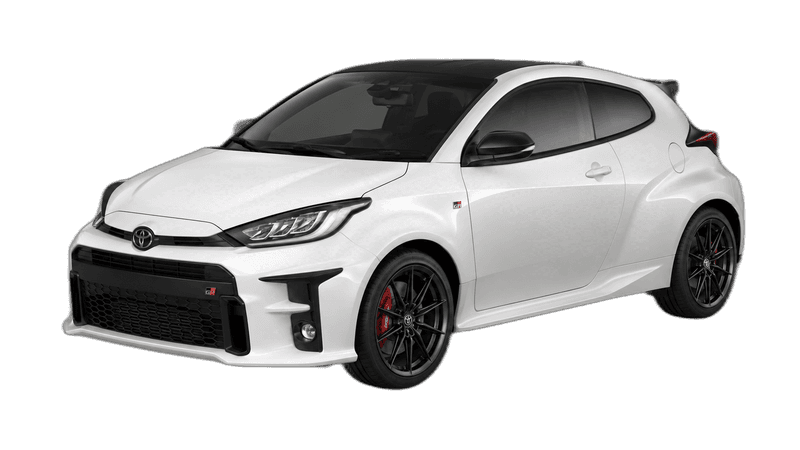
Japan's performance car renaissance is well underway. The Toyota GR Yaris, a 1.6-litre three-cylinder turbo producing 261 bhp through an all-wheel drive system with a torque-split differential, exists because Toyota's president Akio Toyoda told his engineers to build a homologation rally car, regulations be damned. The GR Corolla extended the formula to a larger body. The GR86, co-developed with Subaru, revived the lightweight rear-drive sports car with a 2.4-litre boxer-four and a 1,270 kg kerb weight.
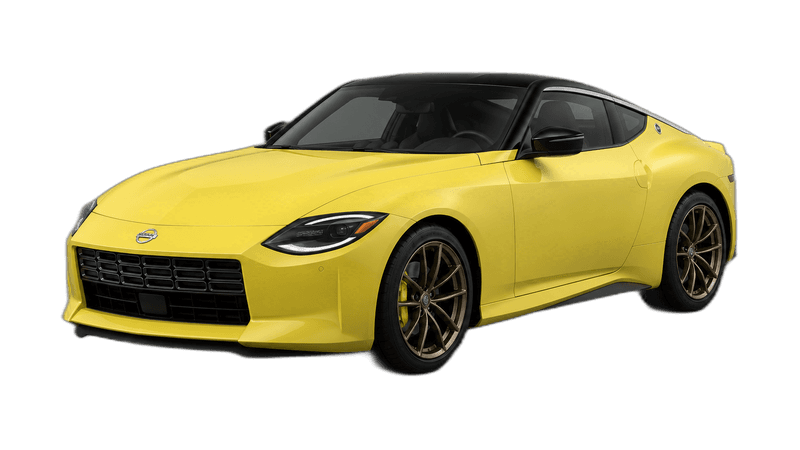
Honda's Civic Type R FL5 produces 325 bhp from a 2.0-litre turbo four-cylinder and has held the front-wheel drive Nürburgring lap record at 7:44.881. The Nissan Z, with its 3.0-litre twin-turbo V6 from the Infiniti Q60 Red Sport, returns Nissan to the affordable sports car market after years of GT-R-only pricing. And the next-generation GT-R, when it arrives, is rumoured to use a hybrid powertrain producing north of 700 bhp, the spiritual successor to the R35 that has been embarrassing supercars since 2007.
Europe builds sports cars for prestige. Japan builds them because engineers refused to accept that a family saloon couldn't lap the Nordschleife in seven minutes.
Why Japan Still Leads
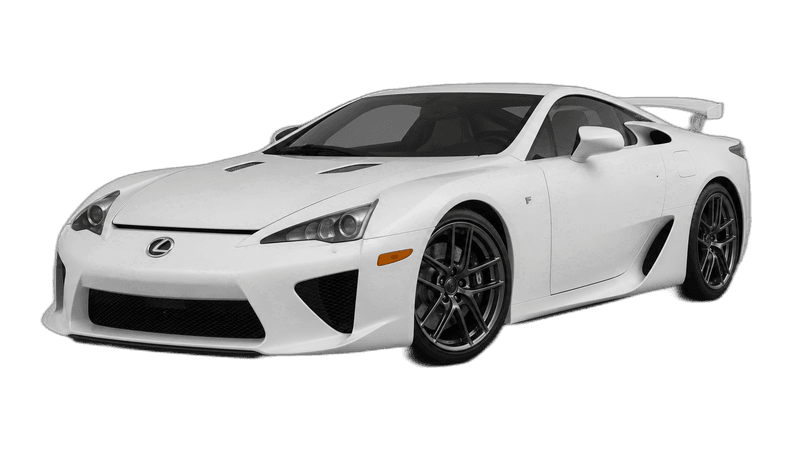
The answer is not horsepower, not lap times, not price-to-performance ratios, though Japan excels at all three. The answer is philosophy. Japanese performance cars are built by engineers who believe that perfection is achievable through relentless iteration, that every component must justify its existence, and that the driver's experience matters more than the spec sheet. This is the same philosophy that made the LFA's V10 sound like a Stradivarius, the GT-R's launch control feel like a catapult, and the GR Yaris's three-cylinder engine punch harder than engines with twice the displacement.
The West builds aspirational cars, objects of desire priced to reflect their desirability. Japan builds functional masterpieces, machines that achieve their purpose so completely that desire follows naturally. It is a fundamentally different way of thinking about the automobile. And after thirty-five years of evidence, it is clear which approach produces the better car.