
La révolution à contrecœur
Aucun des ingénieurs qui ont construit ces voitures ne voulait construire un SUV. Ce n'est pas de la spéculation, c'est un fait établi. Les ingénieurs de Porsche, lorsqu'on leur a présenté le cahier des charges du Cayenne à la fin des années 1990, auraient protesté en affirmant que l'identité de la marque de Stuttgart serait compromise par un break surélevé. L'équipe de développement de Lamborghini, lorsque le projet Urus a été approuvé, travaillait avec la certitude qu'il financerait les voitures à V12 qui définissent la véritable raison d'être de la marque.
La résistance de Ferrari a été la plus explicite de toutes : le credo d'Enzo Ferrari selon lequel l'entreprise ne construirait que des GT à moteur avant V12 et des voitures de sport à moteur central a été considéré comme quasi constitutionnel jusqu'à ce que le développement du Purosangue débute sérieusement vers 2018. Le résultat de la compétence à contrecœur de ces trois constructeurs est la meilleure génération de SUV sportifs jamais construite, et une comparaison qui révèle ce que chaque entreprise privilégie réellement lorsqu'elle est forcée au compromis.
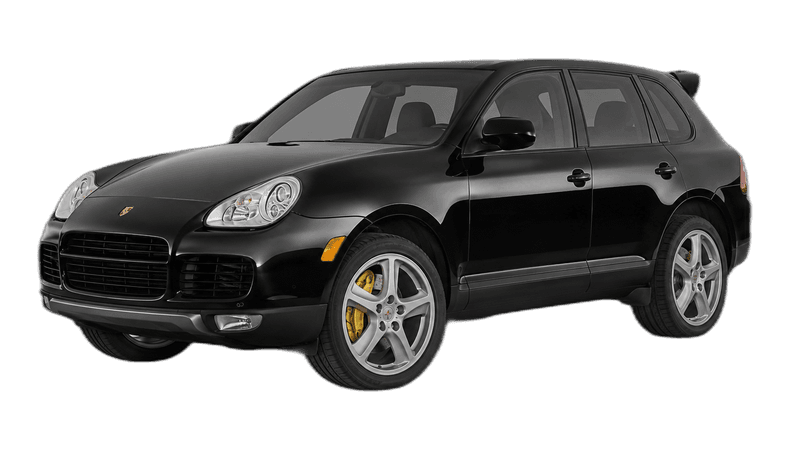
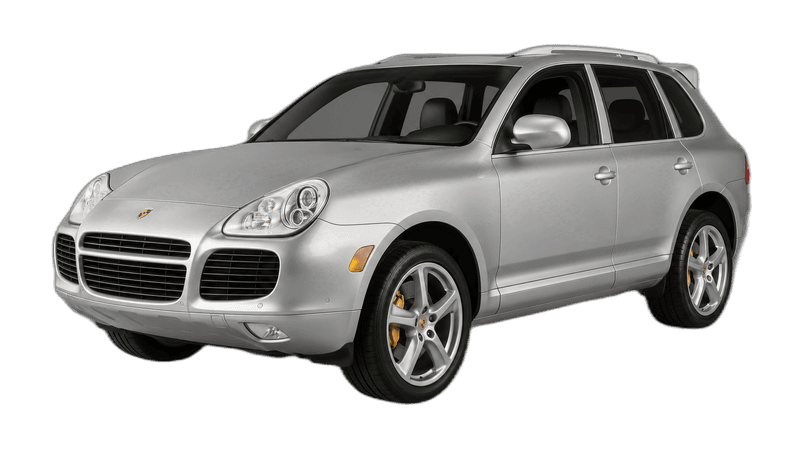
Le Porsche Cayenne Turbo GT aborde le SUV sportif avec la même rigueur d'ingénierie appliquée à chaque variante de la gamme Cayenne : développement systématique, aérodynamique optimisée, suspension pneumatique adaptative calibrée pour un équilibre spécifique entre confort et tenue de route. Le Turbo GT représente le sommet absolu de cette démarche de développement : une voiture qui détient le record du tour SUV au Nürburgring et qui pèse moins que le Turbo standard grâce à l'utilisation d'un toit en composite carbone.
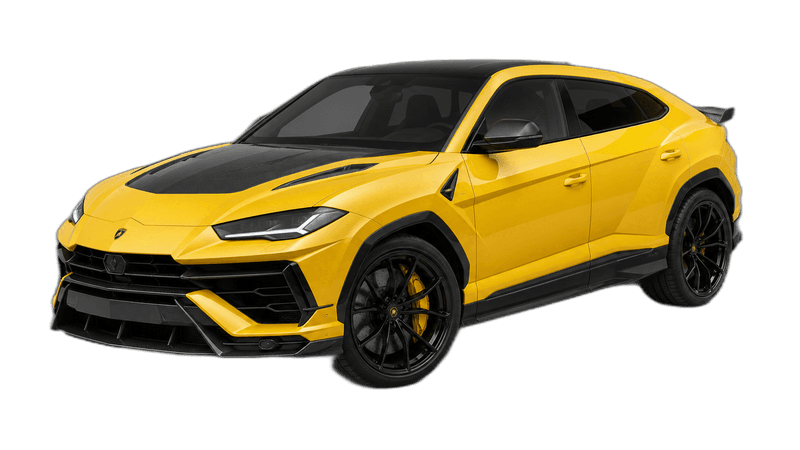
Le Lamborghini Urus Performante avance son argument par l'intensité : plus de puissance, un poids réduit, une suspension à barre de torsion réglable pour ceux qui emmèneront leur SUV sur circuit, et un profil sonore calibré pour rappeler à chaque conducteur que c'est avant tout une Lamborghini.
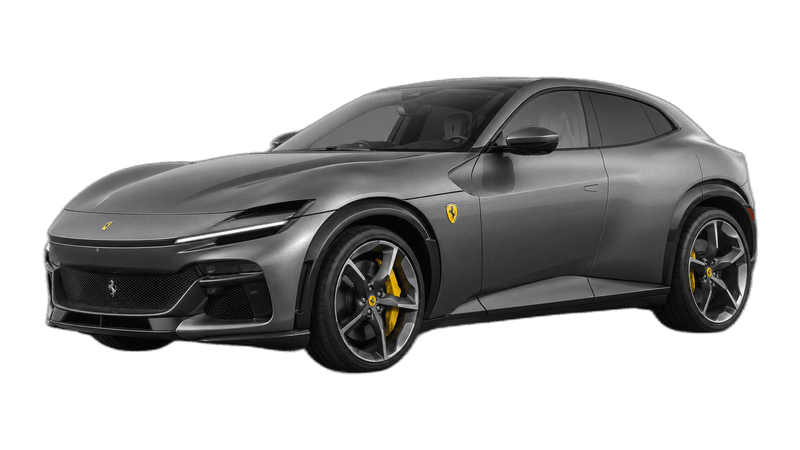
Le Ferrari Purosangue est le plus extraordinaire des trois pour une raison sans rapport avec ses chiffres de performance : il est à moteur avant, atmosphérique, V12, une configuration que Ferrari a maintenant appliquée à son unique SUV, produisant quelque chose qui n'a aucun précédent dans l'histoire du segment.
Ce ne sont pas de simples voitures performantes qui se trouvent être hautes sur pattes. Chacune d'elles représente une question fondamentale sur ce que signifie le mot « performance » appliqué à une catégorie de véhicules à laquelle les personnes qui les construisent ne croyaient pas entièrement.
Les chiffres
Porsche Cayenne Turbo GT : le détenteur du record SUV au Nürburgring
Le V8 4.0 litres biturbo de 640 bhp du Cayenne Turbo GT est complété par un échappement sport de série, des bielles en titane et un calibrage ECU révisé qui exploite la marge du moteur au-delà de la puissance de 550 bhp du Turbo standard.
Les modifications du châssis sont tout aussi complètes : le toit en composite carbone abaisse le centre de gravité de 15 mm ; la suspension pneumatique adaptative roule 17 mm plus bas en mode Sport que le Turbo standard ; les roues arrière directrices offrent une agilité de berline en ville et une stabilité améliorée à vitesse autoroutière.
Avec 3,3 secondes pour le 0 à 100 km/h et une vitesse maximale de 300 km/h, les chiffres du Turbo GT sont impressionnants. Son record du tour SUV au Nürburgring de 7:38.9 est définitif : aucun SUV de série n'a bouclé la Nordschleife plus vite.
Lamborghini Urus Performante : le test de génétique supercar
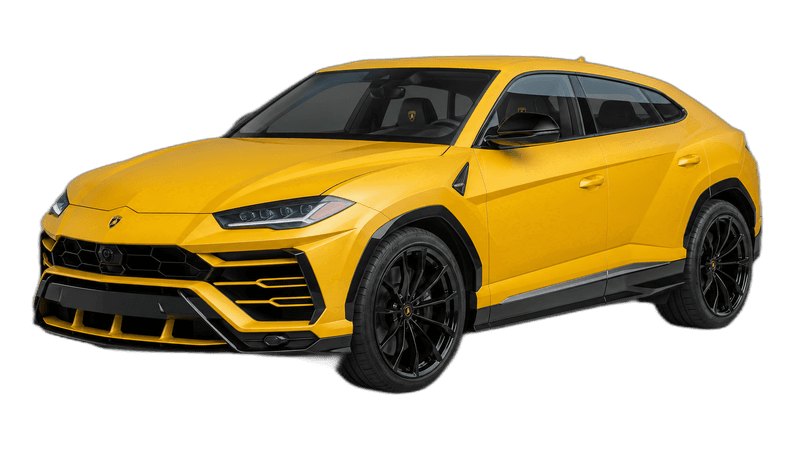
L'Urus Performante existe parce que Lamborghini estimait que l'Urus standard, déjà le SUV de série le plus rapide selon de multiples mesures objectives, n'était pas suffisamment Lamborghini. Le Performante ajoute 666 bhp grâce à une version révisée du V8 4.0 litres biturbo, réduit le poids de 47 kg grâce à un capot, un toit et des bas de caisse en fibre de carbone, et introduit le système de direction dynamique Lamborghini issu des programmes Huracán et Aventador.
Le résultat est 3,3 secondes pour le 0 à 100 km/h, identique au Cayenne Turbo GT, mais avec un caractère distinctement italien : la sonorité de l'échappement est théâtrale d'une manière que l'ingénierie allemande tend à éviter, la réponse de la direction est plus vive et plus exigeante, et le mode de conduite Sport+ invite un niveau d'engagement du conducteur que la Porsche ne requiert jamais. L'Urus Performante n'essaie pas d'être raffiné. Il essaie d'être une Lamborghini.
Ferrari Purosangue : l'argument qui change la catégorie
Le Ferrari Purosangue est impraticable, excessif, et différent de tout ce qui existe dans le segment des SUV sportifs, ce qui est, bien sûr, précisément le propos. Son V12 atmosphérique de 6,5 litres développe 715 bhp et 716 Nm, monte à 8 250 tr/min et produit un son qui n'existe dans aucun autre SUV de l'histoire. Le système de transmission intégrale est le propre PTU (Power Transfer Unit) de Ferrari, dérivé du développement de ses voitures de sport ; les freins céramique carbone sont de série.
Son temps de 3,3 secondes au 0-100 km/h égale Porsche et Lamborghini, une prouesse remarquable étant donné que le V12 tire son caractère de l'amplitude de régime plutôt que du couple à bas régime. Ce que le Purosangue sacrifie pour son théâtre mécanique est un degré de docilité au quotidien que les rivaux turbocompressés gèrent plus facilement : sous 4 000 tr/min, le V12 est maniable mais quelconque. Au-dessus de 6 000 tr/min, il est irremplaçable.
Verdict
Le Porsche Cayenne Turbo GT est le SUV sportif le plus objectivement capable jamais construit : le plus rapide au Nürburgring, le plus composé sur route ouverte à vitesses légales, et le plus honnête quant à ce qu'un grand véhicule à quatre roues motrices peut réalistement accomplir à ses limites. Pour les acheteurs qui veulent couvrir du terrain rapidement sans drame ni compromis, c'est la conclusion rationnelle de la catégorie.
Le Ferrari Purosangue n'est la conclusion rationnelle de rien. C'est un SUV à V12 atmosphérique, et ce simple fait le place au-delà de toute comparaison objective. Aucun propriétaire ne l'achètera parce qu'il est le plus rapide ou le plus pratique ; il l'achètera parce qu'aucun autre véhicule dans ce segment, ou tout autre segment, ne produit un V12 à 8 000 tr/min tout en transportant quatre adultes.
Il remporte la comparaison la plus importante : celle qu'aucun tableur ne peut saisir. Le Lamborghini Urus Performante est la voiture pour ceux qui veulent le théâtre du Purosangue avec le développement systématique du Cayenne : un compromis qui réalise quelque chose de proche du meilleur des deux mondes.