
Stripped-out, wing-laden, and absolutely lethal — the finest circuit machines ranked
By Dream Car Garage Editorial
There exists a category of automobile that has no interest in practicality, comfort, or road-legal convention. These are track cars — machines designed exclusively to go around a circuit as quickly as possible, unconstrained by the compromises that road cars must accept. No noise regulations. No pedestrian impact requirements. No concessions to ride quality over grip level.
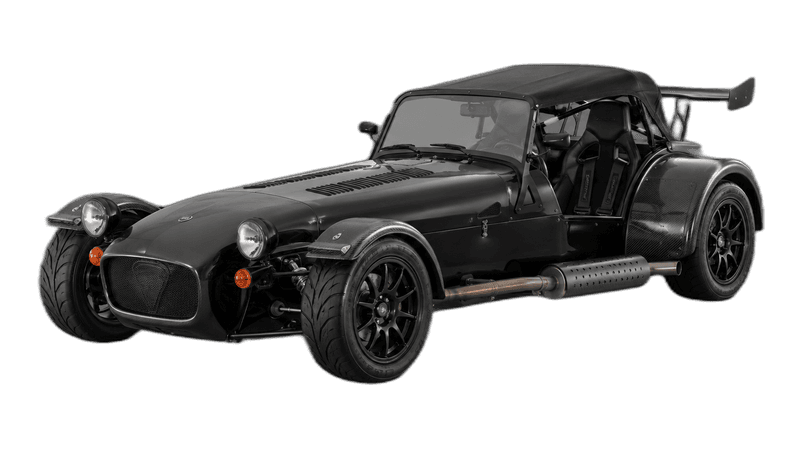
In 2026, the track-only and track-focused segments offer an extraordinary range of machinery. At one end sit the Ferrari FXX-K Evo and the Aston Martin Valkyrie AMR Pro — vehicles born from the same engineering programmes as their road-legal siblings but stripped of every legal and comfort concession. At the other, the Ariel Atom V8 and the Caterham Seven 620R prove that power-to-weight, not raw bhp, is the ultimate currency on a circuit.
We have ranked the finest track machines of 2026 by 0–100 km/h acceleration — the measure most directly linked to the skill of a car's powertrain and chassis engineers working in concert.
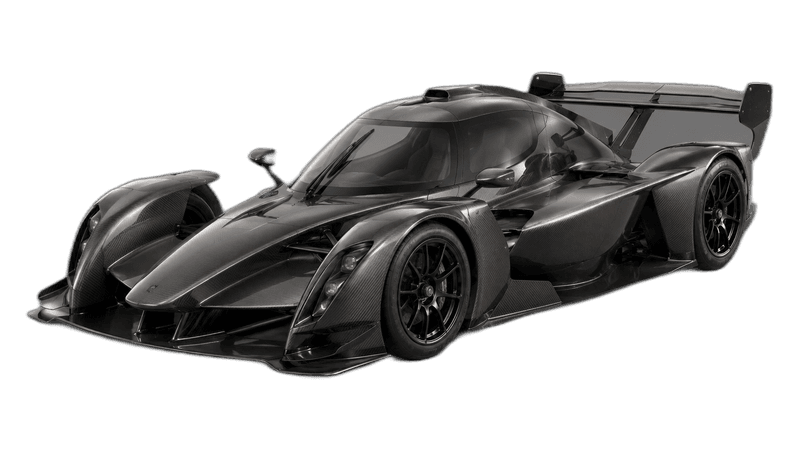
The Bohema is Czech engineering at its most ambitious — 700bhp from a twin-turbo V6, a carbon monocoque weighing just 618 kg, and a 0–100 time of 2.3 seconds. Praga's first road-legal creation is a masterclass in power-to-weight engineering.
The FXX-K Evo is Ferrari's most extreme creation — a track-only hybrid hypercar producing 963bhp, developed directly from the LaFerrari programme but freed from every road-legal constraint. Ferrari's track programme is responsible for its existence.
Lamborghini Squadra Corse's track-only GT car develops 830bhp from a naturally aspirated 6.5-litre V12 — the most powerful Lamborghini V12 ever built — and generates downforce figures that require full roll-cage safety equipment to experience safely.
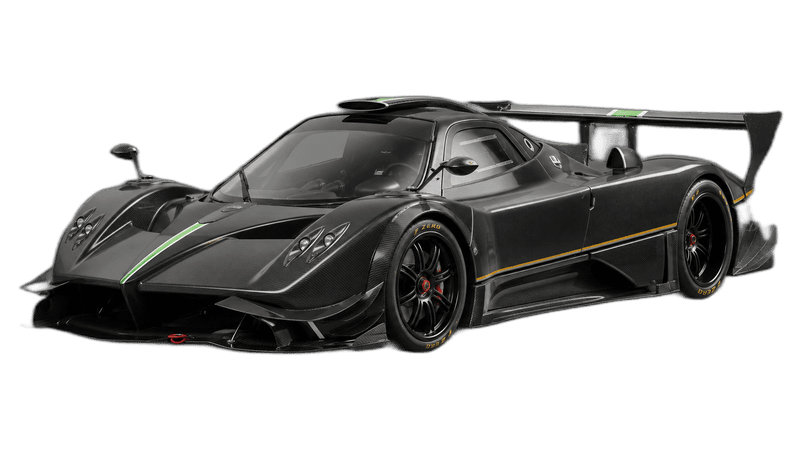
Five were made. The Zonda Revolucion is the most extreme Zonda ever conceived — 789bhp, a sequential racing gearbox, and active aerodynamics that generate 750 kg of downforce at 200 km/h. Horacio Pagani's track-only masterpiece.
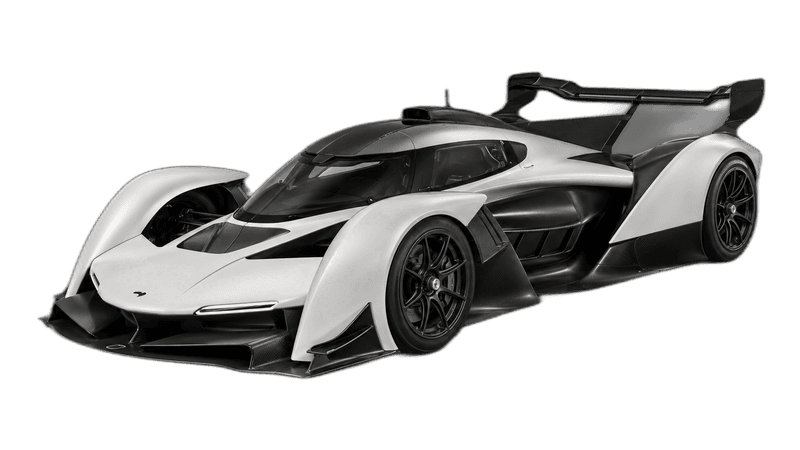
Evolved from a video game concept into reality, the McLaren Solus GT delivers 829bhp from a naturally aspirated V10 in a single-seat, closed-cockpit body. Only 25 were built, making it among the rarest track-day weapons on this list.
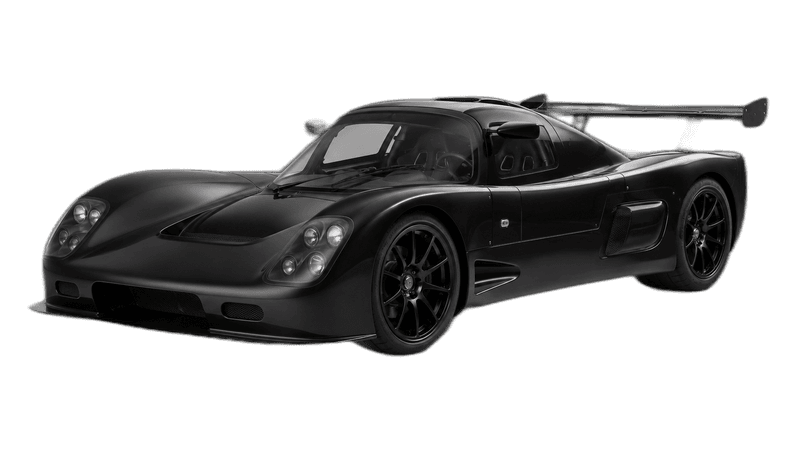
The British Ultima RS can be configured with up to 1,020bhp and achieves 0–100 km/h in 2.3 seconds — all from a donor engine and a hand-assembled spaceframe that costs a fraction of its supercar rivals. Value-per-second has never been so extreme.
The FXX-K preceded its Evo sibling as Ferrari's hybrid track weapon — 963bhp, active aerodynamics, and a data-logging partnership with Ferrari's Gestione Sportiva that turns every lap into a development exercise. Ownership is participation.
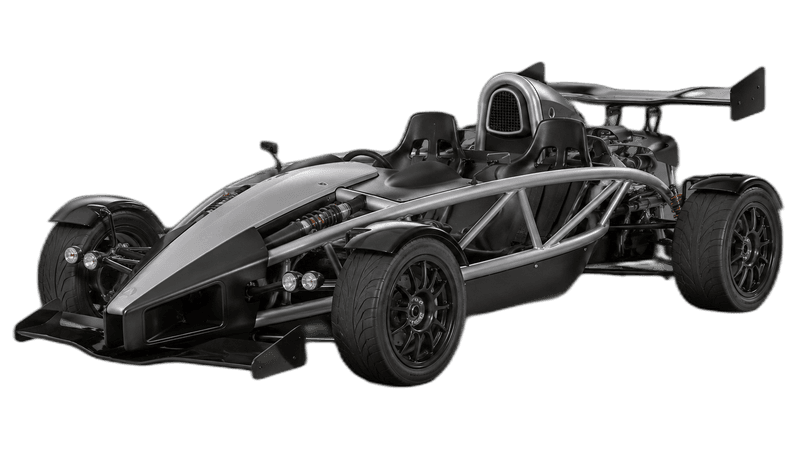
A 500bhp V8 in a space-frame that weighs less than a grand piano. The Ariel Atom V8 is the definitive expression of the power-to-weight philosophy — 2.3 seconds to 100 km/h, no windscreen, and a driving experience with no equivalent.
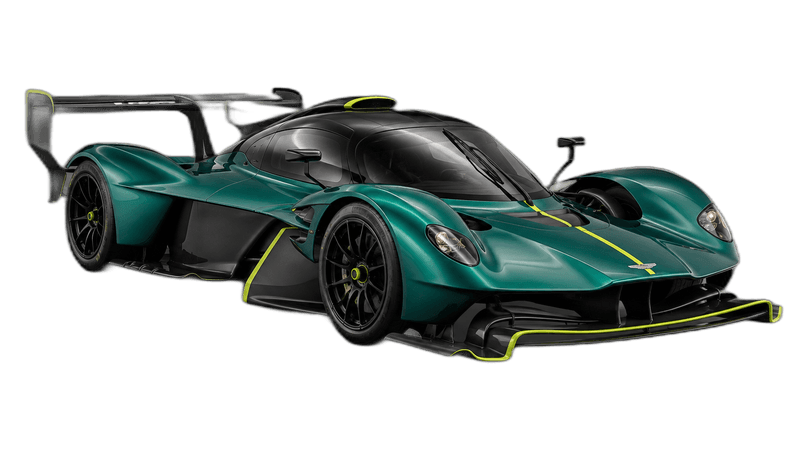
The Valkyrie AMR Pro generates more aerodynamic downforce than its own kerb weight at racing speeds. At 1,000bhp from a Cosworth-developed naturally aspirated V12 plus hybrid assist, it is the most extreme circuit car Aston Martin has ever created.
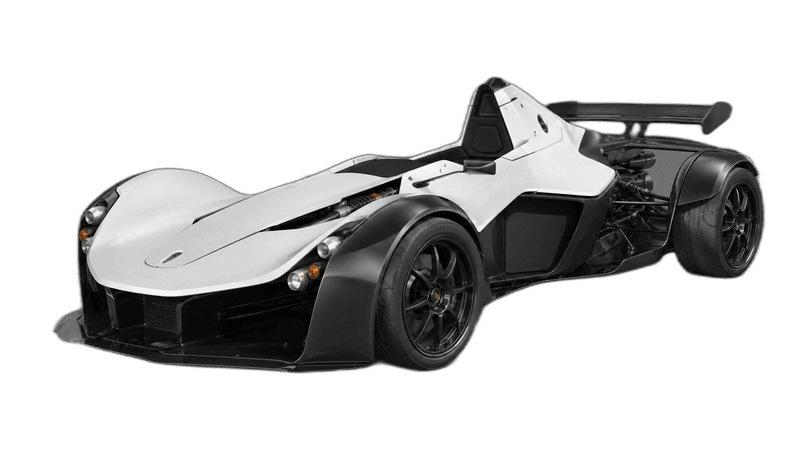
The BAC Mono R is the definitive single-seater road-legal track car — 343bhp in a machine weighing just 555 kg. The R specification adds a Cosworth-developed engine, bespoke Michelin tyres, and a driving experience of almost painful intensity.
The track car of 2026 operates in a realm where the laws of normal automotive development do not apply. Every kilogram saved is a victory. Every tenth of a second found in the data is celebrated. These ten machines represent the absolute limit of what is possible when engineers are freed from the constraints of ordinary motoring — and the results are extraordinary.